Why Daycare Worker Jobs Are Crucial in Singapore Modern Communities

Singapore has seen rapid growth in its population and economy. As more parents work full-time jobs, the demand for reliable childcare support has increased. Daycare worker jobs play a key role in this system. These roles provide direct care to children and allow parents to work without worry.

Daycare workers help shape the early development of children. They offer supervision, emotional support, and learning activities. These services help create a stable environment for children. The stability benefits both the child and the parent. In Singapore, this role holds increasing value due to the busy lifestyles many families follow.

What Do Daycare Workers Do?

Daycare workers supervise and care for young children. They monitor daily routines, serve meals, and help with basic hygiene. They also guide children in group activities and playtime. These tasks support both emotional and physical development.

Workers help children build language, social, and problem-solving skills. They teach basic rules and encourage good behaviour. They also watch for signs of illness or emotional distress. When needed, they report concerns to parents or supervisors.

Why Daycare Worker Jobs in Singapore Are Growing

Dual-income Families Increase Demand

More families in Singapore have two working parents, which has made reliable childcare an essential part of daily life. This ongoing shift has led to a significant increase in the number and size of daycare centres across the country. With the growing demand, there’s also been a rise in employment opportunities for trained daycare professionals who play a crucial role in supporting working families. These workers are trusted to provide a nurturing and educational environment where children can thrive while their parents are at work.

Among the trusted names in the industry, Nannyz stands out as a leading nanny agency in Singapore, offering a wide range of childcare services including professional nannies, daycare support, and babysitting. Parents today are looking for more than just supervision, they want experienced caregivers who can contribute positively to their child’s development. Agencies like Nannyz help bridge this gap by connecting families with trained and reliable childcare providers, ensuring peace of mind for parents and quality care for children across various neighbourhoods.

Population Growth in Urban Areas

Singapore’s urban population continues to grow. More people means more children. This trend creates long-term demand for childcare services. Daycare worker jobs offer a stable career path in response to this growth.

With more residential buildings and new housing estates, local centres need more staff. The need is not just in the city centre but also in surrounding areas. This wide demand offers more options for job seekers in childcare jobs.

Skills Required for Daycare Worker Jobs

Communication Skills

Daycare workers must speak clearly and listen carefully. They communicate with children, parents, and co-workers. Clear messages reduce misunderstandings. Good communication also helps in solving problems early.

Workers also write short reports about children’s daily activities. These notes help parents stay informed. In some centres, workers also use mobile apps to update parents in real time.

Patience and Understanding

Children need time to learn rules and routines. Workers must stay calm during tantrums or when children refuse to follow instructions. Patience helps build trust between the child and the caregiver.

Understanding child behaviour also helps. Workers who show empathy make children feel safe and cared for. This bond improves behaviour and learning outcomes.

Basic First Aid Knowledge

Injuries can happen during play. Workers must know how to handle minor cuts, bruises, or sudden illness. First aid knowledge reduces risk and ensures children get quick help.

Many centres in Singapore require first aid certification. Some also provide training on safety and emergency procedures. These skills are part of the job and add to the worker’s responsibility.

Where to Find Daycare Worker Jobs in Singapore

Government Job Portals

Platforms like MyCareersFuture list many childcare jobs. These platforms let you filter by job location, salary, and working hours. They also show if training is offered.

These portals are easy to use and free for job seekers. They help people find jobs that match their experience and location.

Private Job Portals

Websites like JobStreet, Indeed, and FastJobs post regular listings for daycare roles. These platforms also allow users to upload resumes and apply directly.

Private portals sometimes list part-time or short-term jobs. These options help people who want flexible hours or who are new to the industry.

Direct Application to Daycare Centres

Some centres prefer to hire through direct applications. Job seekers can email or call centres to ask about openings. Many centres also post vacancies on their websites or social media pages.

Walking into a centre with a printed resume still works in some neighbourhoods. This approach shows interest and helps build a first impression.

Benefits of Working in Childcare Jobs

Job Stability

Childcare jobs offer stable employment. Children need care throughout the year. The demand for trained workers does not drop during holidays. This stability attracts people who want a long-term career.

The government also supports the industry through training grants and salary subsidies. These efforts protect jobs during tough economic times.

Emotional Satisfaction

Workers often say they feel proud of their impact. They see children grow and learn new skills. This progress brings daily motivation and a strong sense of purpose.

Helping a child speak new words or solve a puzzle gives clear, visible rewards. Workers also form close bonds with children and their families.

Career Progression

Many roles start as assistant positions. With training and experience, workers can become lead teachers or centre supervisors. Some workers also take courses to become early childhood educators.

Career growth improves salary and responsibilities. Some roles even include planning lessons or managing junior staff.

Challenges Faced in Daycare Worker Jobs

High Workload

Caring for young children requires energy. Workers stay alert for long hours. They must manage feeding, playtime, learning, and cleanup. The pace can be tiring.

Breaks may be short, and some centres operate longer hours. Workers need strong physical and mental stamina to do their jobs well.

Dealing With Difficult Behaviour

Children may show aggression or refuse to listen. Workers must manage these behaviours calmly. They must apply consistent rules without yelling or losing control.

Sometimes, workers also deal with upset parents. Clear records and regular updates help avoid conflicts. Still, handling such situations requires emotional strength.

Training and Certification for Daycare Worker Jobs

Mandatory Courses

The Early Childhood Development Agency (ECDA) in Singapore sets training standards. Many daycare roles require a Certificate in Infant and Toddler Care or a Diploma in Early Childhood Care and Education.

These courses cover topics like child development, safety, and communication. They prepare workers for daily tasks and help them respond to emergencies.

On-the-Job Learning

Many centres offer training during work hours. New hires observe senior staff and learn by doing. This process builds confidence and skills over time.

On-the-job training also helps staff understand centre policies. They learn routines, reporting systems, and how to manage different age groups.

How Daycare Worker Jobs Support Singapore Communities

Enabling Parents to Work

Daycare workers allow parents to hold full-time jobs. This support is essential in dual-income households. Without reliable care, many parents would need to leave work or reduce hours.

By providing safe and structured care, daycare workers help keep the workforce active. Their service supports both families and the economy.

Promoting Child Development

Children in daycare learn how to share, speak, and follow rules. These skills prepare them for school. Workers who guide these lessons shape early learning success.

Daily activities at daycare build both soft and academic skills. Children learn letters, numbers, and teamwork. This learning sets a strong base for future education.

Conclusion

Daycare worker jobs in Singapore play a key role in today’s busy society. These workers provide safe, structured care and help children grow. They also give parents the freedom to pursue careers.

As Singapore’s population grows and family needs change, the demand for childcare jobs will stay strong. For people who enjoy working with children and want stable, meaningful work, daycare worker jobs offer a clear and lasting path.


How to Get Emergency Prescription Refills in Corpus Christi

Running out of medication can be stressful. Many people depend on daily prescriptions to manage health conditions. When refills are needed urgently, it is important to know where to go.

In Corpus Christi, several options are available for emergency prescription refills. Pharmacies, clinics, and online services can help patients get medication quickly. Understanding the process ensures fast access to necessary medicine.

1. Contact Your Regular Pharmacy

Your usual pharmacy is the best place to start. Most pharmacies can provide emergency refills for maintenance medications. Pharmacists may issue a small supply until a new prescription is available.

Call the pharmacy ahead to check availability. Some medications require approval from a doctor. If the pharmacy cannot provide an emergency refill, they may suggest alternatives.

2. Visit a 24-Hour Pharmacy

Emergency refills may be needed outside regular hours, especially for individuals managing chronic conditions or sudden health issues. Fortunately, several pharmacies in Corpus Christi are open 24/7, making it easier to access medications during off-hours. These locations can fill urgent prescriptions at any time, ensuring that patients don’t have to wait until morning to get the care they need. In such situations, it’s essential to bring your prescription bottle or medical records so pharmacists can quickly verify the medication and correct dosage. If the prescription is expired, they may advise you to contact your healthcare provider for renewal.

For patients with unique dosage requirements, allergies to standard drug ingredients, or those needing tailored medications, a Compounding Pharmacy Corpus Christi can provide customized solutions. These pharmacies specialize in creating medications that are not commercially available, such as specific strengths, flavors, or alternative delivery methods like creams or liquids. This personalized approach helps meet individual healthcare needs more effectively, especially in cases where mass-produced drugs are unsuitable or unavailable.

3. Contact Your Doctor

If a refill is not available, the prescribing doctor can help. Many doctors allow emergency refills over the phone. They may send a new prescription directly to a pharmacy.

Some clinics offer telehealth services. Virtual consultations allow doctors to approve refills without an office visit. This option saves time and ensures quick access to medication.

4. Use an Online Pharmacy

Online pharmacies provide a convenient option for obtaining emergency medication refills, especially when immediate access is needed. Many services now offer same-day or next-day delivery within Corpus Christi, allowing patients to receive their prescriptions without delay. Typically, these services require a valid digital prescription from a licensed healthcare provider to ensure safety and compliance with regulations. However, it’s important to verify that any online pharmacy you use is properly licensed and adheres to legal guidelines.

One trusted option for reliable and prompt service in the area is Corpus Memorial Pharmacy, known for providing safe medication access with a strong focus on customer care. Unlike questionable websites that may not require a prescription, licensed pharmacies like Corpus Memorial Pharmacy prioritize patient safety, offering accurate dispensing and professional guidance. Choosing a reputable pharmacy ensures that you receive the correct medication without compromising quality or legality. Always double-check credentials and reviews before making an online purchase to protect your health and well-being.

5. Visit an Urgent Care Clinic

Urgent care clinics can help in emergencies. Many clinics have in-house pharmacies or can send prescriptions to a local pharmacy. They provide quick medical assessments and refills.

Walk-in clinics are an option for those without a primary doctor. Some locations accept insurance, reducing costs. If a prescription is controlled, additional steps may be needed.

6. Check with Your Health Insurance Provider

Insurance companies may have policies for emergency refills. Some providers allow early refills under specific conditions. Checking with the insurance company helps avoid unexpected costs.

Some insurers offer mail-order services. This option can be useful for recurring prescriptions. If a refill is denied, an exception request may be possible.

7. Ask for a Temporary Supply

If a full refill is not possible, a pharmacist may provide a temporary supply. This option ensures continuity of medication until a full prescription is available.

Pharmacists follow state regulations when offering emergency supplies. Some medications, such as antibiotics or pain relievers, may require a new prescription. Always check pharmacy policies in advance.

8. Look for Community Assistance Programs

Some organizations in Corpus Christi provide emergency medication assistance. Free or low-cost programs help those in need. Local health departments and nonprofit groups may offer support.

Eligibility requirements vary. Proof of income or medical condition may be needed. These programs help people access essential medication without financial strain.

9. Be Prepared for Future Emergencies

Planning ahead can prevent medication shortages. Keeping track of remaining doses ensures timely refills. Setting reminders helps avoid last-minute emergencies.

Some pharmacies offer automatic refills. Signing up for these services ensures medication is ready when needed. Keeping extra supplies for essential medication is also helpful.

10. Know Your Medication Laws

Some medications have stricter refill rules. Controlled substances may require a new prescription each time. State laws affect how emergency refills are handled.

Understanding medication regulations helps avoid issues. If traveling, checking refill policies in advance ensures continuous medication access.

Conclusion

Emergency prescription refills are available in Corpus Christi through various options. Pharmacies, doctors, and clinics provide solutions for urgent medication needs. Online services and community programs also help those in need.

Knowing where to go ensures fast access to medication. Being prepared reduces stress and prevents health complications. Taking simple steps helps manage prescriptions efficiently.

How the Lymphatic System Reacts to Allergies

The lymphatic system is a vital part of the immune system. It helps the body fight infections, remove waste, and maintain fluid balance. When allergens enter the body, the lymphatic system plays a key role in responding to them.

Allergies occur when the immune system overreacts to harmless substances like pollen, dust, or pet dander. This reaction triggers inflammation and other symptoms. Understanding how the lymphatic system responds to allergens can help manage allergic reactions effectively.

The Role of the Lymphatic System

Components of the Lymphatic System

The lymphatic system includes lymph nodes, lymph vessels, the spleen, and the thymus. These structures work together to filter harmful substances and produce immune cells.

Lymph nodes act as checkpoints. They trap allergens and harmful particles before they spread through the body. White blood cells in the nodes help break down and remove these substances.

How the Lymphatic System Supports Immunity

The lymphatic system transports immune cells that detect and attack foreign invaders. These cells, known as lymphocytes, help the body recognize and respond to allergens.

Lymph fluid carries waste and toxins away from tissues. It helps maintain balance by preventing the buildup of harmful substances. This process is essential for overall health and immune function.

How Allergies Trigger the Lymphatic System

Immune Response to Allergens

When an allergen enters the body, the immune system identifies it as a threat. This activates white blood cells that release chemicals, including histamines.

Histamines cause inflammation, swelling, and mucus production. These reactions lead to common allergy symptoms like sneezing, congestion, and itching. The lymphatic system works to remove allergens and reduce inflammation.

Lymph Node Activation

Lymph nodes filter allergens from the bloodstream. They swell when they trap and process these substances. Swollen lymph nodes are a sign that the immune system is responding to an allergen.

Lymph nodes in the neck, underarms, and groin may become enlarged during an allergic reaction. This swelling is usually temporary and subsides once the body clears the allergen.

Common Allergic Reactions and the Lymphatic System

Seasonal Allergies

Pollen from trees, grass, and flowers triggers seasonal allergies. The lymphatic system filters these particles and prevents them from spreading.

Lymph nodes work harder during allergy season. Increased immune activity may cause mild swelling and fatigue. Drinking water and staying hydrated help support lymphatic function.

Food Allergies

Certain foods cause strong immune reactions. Common allergens include nuts, dairy, and shellfish. The body detects these substances and activates an immune response.

Severe food allergies cause swelling, difficulty breathing, and rashes. The lymphatic system responds by producing antibodies to fight the allergen. In extreme cases, anaphylaxis occurs, requiring emergency medical treatment.

Skin Allergies

Allergens like detergents, insect bites, and plants cause skin reactions. The lymphatic system directs immune cells to affected areas, leading to redness and swelling.

Rashes, itching, and irritation are signs of lymphatic involvement. The body removes allergens through lymph fluid, helping skin return to normal. Applying anti-inflammatory creams can relieve symptoms.

Ways to Support the Lymphatic System During Allergies

Staying Hydrated

Water helps the lymphatic system flush out allergens. It keeps lymph fluid moving and prevents buildup in tissues. Drinking enough water reduces inflammation and supports immune function.

Exercise and Movement

Physical activity improves lymphatic circulation. Walking, stretching, and deep breathing help lymph fluid flow properly. Movement reduces swelling and helps clear allergens from the body.

Eating a Healthy Diet

Nutrient-rich foods support the immune system. Fruits, vegetables, and lean proteins provide vitamins that help the lymphatic system function. Avoiding processed foods and excess sugar reduces inflammation.

Managing Stress

Stress weakens the immune system. Relaxation techniques like meditation, yoga, and deep breathing help maintain a balanced immune response. Reducing stress improves lymphatic flow and overall health.

When to See a Doctor

Severe Allergic Reactions

If symptoms include trouble breathing, swelling of the face or throat, or dizziness, seek medical attention immediately. These signs indicate a serious allergic reaction that requires emergency treatment.

Persistent Swollen Lymph Nodes

Lymph nodes usually return to normal after an allergic reaction. If swelling lasts longer than two weeks or is accompanied by pain or fever, consult a doctor. Persistent swelling may indicate an infection or another medical condition. To learn more about the swollen lymph node from this website.

Conclusion

The lymphatic system plays a key role in responding to allergies. It filters allergens, supports immune cells, and reduces inflammation. Understanding how it reacts to allergens helps people manage their symptoms effectively.

Supporting lymphatic health through hydration, movement, and a balanced diet improves the body’s ability to handle allergies. If severe reactions occur, seeking medical care ensures proper treatment. A healthy lymphatic system helps maintain overall well-being, especially for those with allergies.

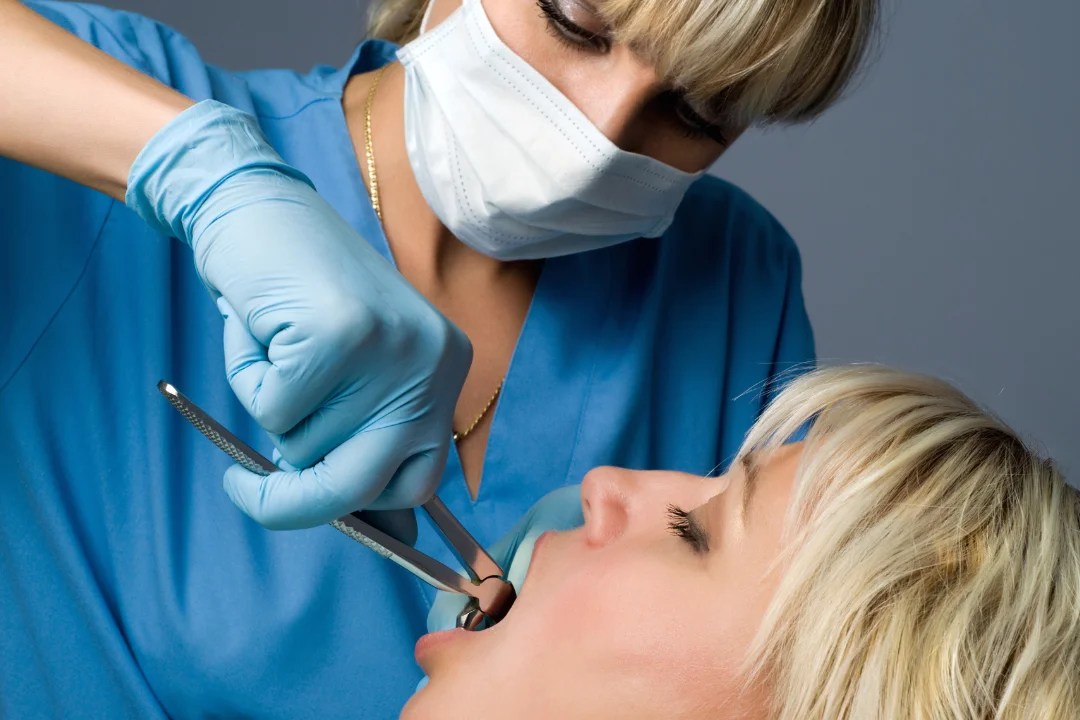
Tooth Extractions for Orthodontics: What You Need to Know

Orthodontic treatment often involves more than just braces or aligners; sometimes, tooth extractions are necessary to achieve the best results. While the idea of extracting teeth might seem daunting, it’s a common and safe procedure that can significantly improve the alignment, function, and appearance of your smile.

This guide will explain why tooth extractions are sometimes needed for orthodontics, what to expect during the process, and how to care for your mouth afterward.

1. Why Are Tooth Extractions Needed for Orthodontics?

Addressing Crowding

One of the primary reasons for tooth extraction in orthodontics is overcrowding. When there isn’t enough space in your jaw to accommodate all of your teeth, they can overlap, twist, or become misaligned. Removing one or more teeth creates the space needed to properly align the remaining teeth.

Correcting Bite Issues

Extractions may also be required to correct certain bite problems, such as overbites, underbites, or crossbites. By removing specific teeth, orthodontists can guide the jaw and teeth into a more harmonious alignment, improving both function and aesthetics.

Preparing for Orthodontic Appliances

In some cases, tooth extractions are necessary to ensure braces or aligners can work effectively. A great example is tooth extraction by Dr Arthur Yeh, a highly skilled professional known for providing exceptional care during the procedure. Without adequate space, the movement of teeth during treatment may be limited, prolonging the process or compromising results. Trusting an expert like Dr. Yeh ensures optimal outcomes for orthodontic treatments.

2. Which Teeth Are Typically Extracted?

Premolars

Premolars (the teeth located between your canines and molars) are the most commonly extracted for orthodontic purposes. These teeth are strategically removed because their absence doesn’t significantly impact chewing function, and their removal provides ample space for alignment.

Wisdom Teeth

Wisdom teeth, or third molars, are sometimes extracted during orthodontic treatment if they pose a risk of crowding or disrupting alignment. While they’re not always directly related to braces, their removal can prevent future complications.

3. What to Expect During the Tooth Extraction Process

Consultation and Planning

Before an extraction, your orthodontist and dentist will evaluate your dental and medical history, take X-rays, and discuss the treatment plan with you. This ensures that the procedure is tailored to your needs and minimizes risks.

The Extraction Procedure

Tooth extractions are typically performed under local anesthesia to numb the area. For more complex cases, such as impacted wisdom teeth, sedation or general anesthesia may be used.

  • Simple Extractions: Used for teeth that are fully visible and easily accessible.
  • Surgical Extractions: Required for teeth that are impacted or not fully erupted.

The procedure is usually quick, and your dentist will provide post-extraction care instructions.

4. How to Care for Your Mouth After an Extraction

Immediate Aftercare

Proper care after a tooth extraction is crucial for healing. Follow these steps:

  • Bite on Gauze: Apply pressure with gauze to control bleeding and promote clot formation.
  • Avoid Disturbing the Site: Refrain from touching the area with your tongue or fingers to prevent dislodging the clot.
  • Use Ice Packs: Apply cold compresses to reduce swelling and discomfort.

Long-Term Care

  • Soft Foods: Stick to soft foods like yogurt, soup, and mashed potatoes for the first few days. Avoid hard, crunchy, or spicy foods.
  • Salt Water Rinse: After 24 hours, rinse gently with warm salt water to keep the area clean.
  • Follow-Up Appointments: Attend scheduled check-ups to ensure proper healing and progression of your orthodontic treatment.

5. Common Concerns About Tooth Extractions for Orthodontics

Will It Hurt?

The extraction process itself is painless due to anesthesia. However, you may experience mild discomfort or swelling afterward, which can be managed with over-the-counter pain relievers and cold compresses.

Will It Affect My Smile or Jaw Shape?

Removing teeth strategically will not negatively impact your smile or jaw shape. In fact, the goal of orthodontic treatment is to enhance both. Orthodontists carefully plan extractions to ensure a balanced and aesthetically pleasing result.

Are Extractions Always Necessary?

Tooth extractions are not always required for orthodontic treatment. Your orthodontist will explore other options, such as expanding the jaw or reshaping teeth, before recommending extractions.

6. Alternatives to Tooth Extractions

Palatal Expanders

For patients with narrow jaws, palatal expanders can create more space by gradually widening the upper jaw. This may eliminate the need for extractions in certain cases.

Interproximal Reduction (IPR)

IPR involves removing a small amount of enamel between teeth to create space. This method is often used for minor crowding and is less invasive than extractions.

Conclusion

Tooth extractions for orthodontics are a common and effective way to create space, correct alignment, and achieve a beautiful smile. While the idea of removing teeth might be intimidating, understanding the process and benefits can help ease any concerns.

By following your orthodontist’s recommendations and maintaining proper aftercare, you’ll set the stage for a successful orthodontic journey and a lifetime of confident smiles.

Why Retainers Are Essential After Teeth Straightening

Teeth straightening, whether through braces or clear aligners, is a significant investment in achieving a healthy and beautiful smile. However, the journey doesn’t end when the braces come off or the aligner treatment concludes. To maintain the results, retainers play a crucial role in ensuring the teeth stay in their new, corrected positions.

In this article, we’ll delve into why retainers are essential after teeth straightening, how they work, the risks of not wearing them, and the different types of retainers available to suit varying needs.

1. What Happens After Teeth Straightening?

Teeth Have a Natural Tendency to Shift

After teeth straightening, the teeth are more susceptible to shifting back to their original positions, a process known as relapse. This is why choosing a trusted provider like teeth straightening by Blairstown Smile Studio is essential, as they not only focus on achieving optimal alignment but also emphasize post-treatment care. Relapse occurs because the supporting structures, such as gums and bone, take time to adapt to the new alignment. Without a retainer to hold them in place, teeth can gradually move back, undoing months or even years of orthodontic work.

The risk of relapse is highest in the first few months after treatment, especially if proper aftercare isn’t followed. Providers like Blairstown Smile Studio ensure patients are educated on maintaining their results for the long term. Even years later, natural forces like chewing, aging, and jaw growth can cause subtle shifts if retainers are not consistently worn.

Orthodontic Retention is a Long-Term Process

Maintaining a straight smile is not a one-time effort; it requires ongoing care. Orthodontists emphasize the importance of retention as a vital phase of treatment. Retainers provide the necessary support to preserve the alignment achieved during straightening, ensuring your smile remains functional and aesthetically pleasing.

2. How Do Retainers Work?

Stabilizing the Teeth

Retainers work by holding the teeth in their new positions while the surrounding bone and tissues adjust and stabilize. This stabilization process can take several months to a year, depending on the individual. Retainers act as a safeguard against the natural forces that might push teeth out of alignment.

In essence, retainers are like a safety net for your smile. By consistently wearing them, you allow the structural changes in your mouth to become permanent, ensuring your teeth remain straight and healthy.

Preventing Relapse

Retainers are particularly effective in combating relapse. Whether you’ve had gaps closed, teeth rotated, or overbites corrected, retainers ensure that these changes are maintained. Consistent use of retainers prevents the gradual shifting that can occur due to muscle memory or natural growth patterns.

3. The Risks of Not Wearing a Retainer

Relapse of Teeth Position

The most significant risk of neglecting your retainer is the potential for relapse. Without a retainer to hold them in place, teeth will naturally begin to drift back to their original positions. This can happen gradually over time and may lead to the need for additional orthodontic treatment to correct the changes.

Wasted Investment

Orthodontic treatments, whether traditional braces or modern aligners, require a considerable investment of time, effort, and money. By not wearing a retainer, you risk undoing all the progress you’ve made, turning that investment into a wasted effort. Wearing a retainer ensures that your straightened smile remains intact and that you get the full value of your treatment.

Increased Risk of Dental Issues

Misaligned teeth can lead to a host of dental problems, including difficulty cleaning between teeth, which increases the risk of cavities and gum disease. Wearing a retainer helps maintain proper alignment, promoting better oral hygiene and long-term dental health.

4. Types of Retainers and Their Benefits

Fixed Retainers

Fixed retainers are thin wires bonded to the back of the teeth, typically on the lower front teeth. These retainers are permanent and provide continuous support, making them an excellent option for individuals who may struggle with remembering to wear a removable retainer.

  • Pros: Always in place, no risk of forgetting or losing them.
  • Cons: Requires diligent cleaning to prevent plaque buildup.

Removable Retainers

Removable retainers come in two primary forms: Hawley retainers and clear plastic retainers.

  • Hawley Retainers: Made of a combination of acrylic and metal wires, these retainers are durable and adjustable.
    • Pros: Long-lasting, easy to clean, and adjustable.
    • Cons: More noticeable than clear retainers.
  • Clear Retainers: Made of transparent plastic, these retainers are virtually invisible and fit snugly over the teeth.
    • Pros: Aesthetic appeal, easy to wear, and comfortable.
    • Cons: May require replacement over time due to wear and tear.

Choosing the right type of retainer depends on individual preferences, orthodontist recommendations, and the specifics of your treatment.

5. How to Care for Your Retainer

Cleaning and Maintenance

Proper care for your retainer is essential to ensure its effectiveness and longevity. For removable retainers, clean them daily with a soft toothbrush and mild soap or a retainer cleaner. Avoid using hot water, as it can warp the material. Fixed retainers require meticulous oral hygiene, including brushing and flossing around the wire to prevent plaque buildup.

Consistent Usage

Follow your orthodontist’s instructions on how often to wear your retainer. Initially, you may need to wear it full-time, gradually transitioning to nighttime use. Consistency is key to maintaining your results.

Conclusion

Retainers are an essential part of the teeth-straightening process, ensuring that your hard-earned results are preserved for years to come. By stabilizing teeth, preventing relapse, and maintaining proper alignment, retainers protect your investment and promote long-term oral health. Whether you opt for a fixed or removable retainer, wearing it as instructed by your orthodontist is crucial for maintaining your straight, beautiful smile.

Don’t let your efforts go to waste embrace the importance of retainers and enjoy the benefits of a perfectly aligned smile for life.

How Chiropractic Care Addresses Muscle Imbalances

Muscle imbalances occur when one group of muscles becomes stronger or tighter than its opposing group, leading to poor posture, discomfort, and a higher risk of injury. These imbalances often arise from poor posture, repetitive movements, sedentary lifestyles, or even previous injuries that may alter the way the body moves. Left unaddressed, muscle imbalances can lead to chronic pain, decreased mobility, and can affect overall physical function. Chiropractic care offers a holistic approach to identifying, managing, and correcting muscle imbalances, helping individuals regain optimal muscle function and prevent further issues.

In this article, we will explore how chiropractic care addresses muscle imbalances, its benefits, and how it can help restore balance to the body.

1. Identifying the Root Cause of Muscle Imbalances

Comprehensive Assessment and Diagnosis

Chiropractors are trained to assess the body’s musculoskeletal system, including the spine, muscles, and joints, to identify any imbalances that may exist. A thorough physical examination and a review of the patient’s medical history are essential in pinpointing the root cause of muscle imbalances. Chiropractors often use specific tests to evaluate posture, movement patterns, and muscle strength, allowing them to understand how imbalances are affecting the body’s function.

By identifying the underlying cause, such as muscle weakness, tightness, or joint misalignment, chiropractors can create a personalized treatment plan to address the specific areas of concern. Clinics like Ne Plus Ultra Chiropractic specialize in delivering tailored care that focuses on restoring balance and improving overall health. Their individualized approach ensures that each treatment is precisely targeted to meet the patient’s unique needs.

Understanding Compensatory Patterns

One of the key concepts in chiropractic care is recognizing how compensatory patterns develop in the body. When one muscle becomes weaker or tighter, other muscles may take over to compensate for the imbalance. Over time, these compensatory patterns can lead to further dysfunction, pain, and misalignment in the spine or joints. Chiropractors are skilled in identifying these patterns and working to correct them, ensuring that the muscles work together harmoniously to support the body.

2. Chiropractic Adjustments to Restore Spinal Alignment

Improving Posture and Alignment

Spinal misalignments, also known as subluxations, often contribute to muscle imbalances by affecting the way the body moves and functions. Misalignment of the spine can result in uneven stress on muscles and joints, causing certain muscles to become overactive while others become weak or inhibited. Chiropractic adjustments aim to correct these misalignments, restoring proper alignment and improving posture.

By adjusting the spine and ensuring that the vertebrae are in their correct position, chiropractors can help relieve unnecessary tension in muscles, reduce pain, and allow the body to function more efficiently. Proper spinal alignment is essential for preventing muscle imbalances and ensuring that the muscles work together to support the body correctly.

Reducing Nerve Interference

The spine houses the nervous system, which controls the function of muscles throughout the body. When spinal misalignments occur, they can interfere with nerve signals, leading to muscle weakness or tightness in certain areas. Chiropractic adjustments help to reduce nerve interference by realigning the spine and allowing the nervous system to communicate more effectively with the muscles. This improved communication can help address muscle imbalances by promoting better muscle function and coordination.

3. Soft Tissue Techniques and Stretching

Targeting Tight Muscles with Soft Tissue Therapy

In addition to spinal adjustments, chiropractors may use various soft tissue techniques to address muscle imbalances caused by tight or overactive muscles. Techniques such as myofascial release, deep tissue massage, and trigger point therapy are used to release tension and improve flexibility in the muscles. These therapies help to reduce muscle stiffness, alleviate pain, and restore balance to affected muscle groups.

By focusing on the soft tissue surrounding the muscles, chiropractors can help break up muscle knots, improve circulation, and enhance the overall function of the muscles. Regular soft tissue therapy can also help prevent future imbalances by promoting muscle relaxation and flexibility.

Stretching and Strengthening Exercises

A key part of chiropractic care is educating patients on how to stretch and strengthen their muscles to prevent imbalances from developing. Chiropractors often recommend specific exercises designed to target weak or tight muscle groups. Stretching exercises help to improve flexibility and prevent muscles from becoming overly tight, while strengthening exercises work to build up weaker muscles, helping to restore balance to the body.

Chiropractors may provide patients with personalized rehabilitation programs that include a combination of stretches, strengthening exercises, and postural corrections to address muscle imbalances and prevent future issues. These exercise routines are designed to enhance muscle coordination and improve overall muscle function, supporting a balanced and pain-free body.

4. Addressing Postural Issues

Correcting Poor Posture

Poor posture is one of the primary causes of muscle imbalances, especially in today’s sedentary lifestyle. Sitting for long periods, particularly with improper ergonomics, can lead to muscle tightness and weakness in certain areas of the body. For example, sitting hunched over a desk can lead to tightness in the chest and shoulders, while weakening muscles in the back. Chiropractic care focuses on correcting these postural issues through spinal adjustments and specific exercises designed to improve posture.

By improving posture, chiropractors help to ensure that muscles are used effectively, reducing strain on certain muscle groups and promoting better alignment throughout the body. Correcting posture can relieve pressure on the muscles, decrease pain, and prevent further imbalances from developing.

Educating on Ergonomics and Daily Habits

Chiropractors not only focus on treatment but also provide education on how to maintain proper posture and prevent muscle imbalances in daily life. This includes advice on proper ergonomics at work, how to sit and stand correctly, and tips for lifting and bending. By incorporating these practices into everyday activities, individuals can maintain better posture and avoid developing muscle imbalances that could lead to pain or injury.

5. Long-Term Prevention and Maintenance

Preventing Muscle Imbalances Through Chiropractic Care

Once muscle imbalances have been addressed, chiropractic care continues to play a vital role in maintaining long-term health. Regular chiropractic adjustments help ensure that the spine remains aligned, reducing the risk of reoccurring muscle imbalances. Chiropractic care also helps maintain muscle function, flexibility, and posture, which are all essential for keeping the body in balance.

By committing to ongoing chiropractic care, individuals can prevent muscle imbalances from reoccurring and maintain a strong, healthy musculoskeletal system. Chiropractors can guide patients in maintaining good posture, incorporating strengthening exercises, and staying active, all of which contribute to muscle balance and overall well-being.

Supporting Active Lifestyles

For those who engage in physical activities or exercise regularly, chiropractic care is crucial for preventing muscle imbalances that can occur from overuse or improper technique. Chiropractors can provide advice on how to train safely, perform exercises with proper form, and recover effectively after workouts. This proactive approach helps to avoid muscle imbalances, ensuring that individuals remain active and injury-free.

Conclusion

Muscle imbalances can disrupt the body’s natural alignment, leading to pain, discomfort, and decreased function. Chiropractic care offers a holistic approach to identifying, correcting, and preventing these imbalances by focusing on spinal alignment, soft tissue therapies, postural corrections, and strengthening exercises. By addressing the root causes of muscle imbalances, chiropractic care helps individuals achieve better movement, reduce pain, and enhance overall physical function.

Through regular chiropractic treatments, individuals can maintain muscle balance, prevent future issues, and enjoy a healthier, more active lifestyle. If you’re struggling with muscle imbalances, chiropractic care could be the key to restoring balance and improving your overall well-being.

Why Crowded Teeth Often Require Extractions

When teeth grow too close together, it can lead to a condition known as dental crowding. This situation occurs when there is insufficient space in the mouth for all the teeth to fit properly. Overcrowded teeth can result in a variety of dental issues, including misalignment, difficulty cleaning teeth, and an increased risk of tooth decay and gum disease. In many cases, dental professionals recommend tooth extractions as a solution to alleviate these problems. Extractions may be seen as a necessary step to create enough space for the remaining teeth to align properly.

In this article, we will explore why crowded teeth often require extractions, the role of extractions in orthodontic treatment, and how eliminating extra teeth can provide long-term oral health benefits.

1. Understanding Dental Crowding

What Causes Dental Crowding?

Dental crowding occurs when there is not enough space in the jaw to accommodate all the teeth. It can be caused by a variety of factors, including genetics, early loss of baby teeth, or jaw size discrepancies. In some cases, the teeth may simply be larger than the available space in the mouth. This leads to overlapping, twisting, or pushing of the teeth into unnatural positions, which can affect both the appearance and function of the teeth.

Crowding often becomes noticeable during the eruption of permanent teeth. If there isn’t enough room for these teeth to come in properly, they may erupt at odd angles or become impacted. In many cases, overcrowded teeth can lead to bite problems, such as overbites or crossbites, and may increase the risk of oral health issues, including cavities and gum disease. To correct these issues, dental professionals may recommend tooth extractions to make space for the remaining teeth.

The Impact of Crowded Teeth on Oral Health

Crowded teeth can have a significant impact on a person’s oral health. When teeth overlap or shift, it becomes harder to clean them properly, leading to the buildup of plaque and tartar. This can increase the risk of cavities, gum disease, and bad breath. Misaligned teeth may also contribute to problems such as jaw pain, difficulty chewing, or uneven wear on the teeth. Additionally, crowded teeth can affect speech and self-confidence, making it a priority to address this condition.

Treating dental crowding is not just about improving appearance it’s about improving overall oral health. One effective option is tooth extraction by Paramus Park Oral Surgery, which can help align the teeth and improve bite function. Addressing overcrowded teeth through orthodontic treatment and extractions can help reduce the risk of more severe dental issues down the line.

2. The Role of Extractions in Orthodontics

Why Extractions Are Often Recommended for Crowded Teeth

When dealing with overcrowded teeth, orthodontists often recommend extractions as part of the treatment plan. Extractions help create the necessary space for teeth to shift into their proper positions. Without extractions, it may be difficult or impossible to align the teeth properly using braces or clear aligners. In some cases, pulling out one or more teeth can help prevent additional dental problems, such as misalignment or bite issues.

The decision to extract teeth is carefully considered by the orthodontist, who will evaluate the severity of the crowding, the overall alignment of the teeth, and the patient’s dental health. Extractions are typically recommended when the crowded teeth are causing other issues, such as misalignment, difficulty cleaning, or excessive wear on the teeth. Removing certain teeth can create enough space for the remaining teeth to be properly aligned, improving both function and appearance.

Which Teeth Are Typically Extracted?

In most cases, the first premolars are the most commonly extracted teeth in cases of dental crowding. These teeth are located between the canine (cuspid) teeth and the molars, and they are often chosen for extraction because they are less likely to affect the overall function of the mouth. In some cases, other teeth, such as impacted wisdom teeth or additional teeth that contribute to overcrowding, may also be extracted.

The decision to extract specific teeth is made based on the individual’s unique dental situation. The orthodontist will carefully assess the patient’s dental alignment, jaw size, and overall health before making recommendations for extractions.

3. Benefits of Extractions for Crowded Teeth

Improved Teeth Alignment

One of the main benefits of extractions for crowded teeth is improved teeth alignment. By creating space in the mouth, extractions allow the orthodontist to use braces or aligners to move the remaining teeth into their proper positions. This not only improves the appearance of the smile but also enhances the overall function of the teeth, making it easier to chew, speak, and maintain good oral hygiene.

Proper alignment of the teeth can also reduce the risk of oral health problems, such as cavities and gum disease, by making it easier to clean all surfaces of the teeth. It can also alleviate jaw pain or discomfort caused by misaligned teeth, improving the patient’s quality of life.

Better Bite Function and Oral Health

By correcting overcrowding through extractions, patients can experience better bite function. Crowded teeth often lead to bite issues, such as overbites, underbites, or crossbites, which can cause difficulty chewing, speaking, or even breathing. These bite problems can put extra stress on the jaw joints, leading to pain or discomfort, especially over time.

By ensuring that the teeth are properly aligned after extractions, orthodontic treatment can improve bite function and reduce the risk of jaw-related issues, such as temporomandibular joint (TMJ) disorder. This can result in a more comfortable bite and better overall oral health.

4. Alternatives to Extractions for Crowded Teeth

Can Crowded Teeth Be Treated Without Extractions?

While extractions are often the recommended solution for severe dental crowding, there are alternative options that can help treat less severe cases. In some situations, orthodontists may use space maintainers or expanders to create more room for the teeth without the need for extractions. This is more likely to be effective in children or adolescents whose jaws are still growing and developing. However, in adults with fully developed jaws, extractions may still be the most effective way to resolve severe crowding.

Clear aligners, such as Invisalign, are also an option for some patients with mild crowding. These aligners gradually move the teeth into their proper positions, sometimes without the need for extractions. However, in more severe cases, extractions may still be necessary to achieve the desired results.

When Is Non-Extraction Treatment Appropriate?

Non-extraction treatments may be appropriate for individuals with mild crowding or those who are younger and still have developing jaws. Early intervention can often prevent the need for extractions by guiding the teeth into their proper positions as they grow. However, if the crowding is severe or if the patient has already reached adulthood, extractions may be the most practical solution to achieve the best long-term results.

Ultimately, the decision to pursue non-extraction treatment or extractions depends on the specific circumstances of the patient’s dental health. An experienced orthodontist will assess the severity of the crowding, the patient’s age, and other factors to determine the most effective treatment plan.

Conclusion

Crowded teeth often require extractions to create the space necessary for proper alignment. Orthodontic extractions are a valuable tool in correcting dental crowding, improving bite function, and ensuring better oral health. While extractions are not always necessary, they can be the most effective solution for severe cases of crowding, especially when other treatments are not sufficient. By addressing overcrowded teeth early and seeking orthodontic care, patients can enjoy a well-aligned, healthy smile that enhances both appearance and function.

How Telehealth Is Changing Preventive Dentistry

Telehealth, a digital innovation that bridges the gap between patients and healthcare providers, is making waves in dentistry. Traditionally, dental care required in-person visits, often leading to missed appointments and delayed treatments. However, the advent of telehealth has revolutionized preventive dentistry, offering unprecedented accessibility and efficiency.

Preventive dentistry focuses on maintaining oral health to avert serious dental issues. Through telehealth, patients can now access expert advice, monitor their oral health remotely, and stay informed about maintaining healthy teeth and gums. This article explores how telehealth is reshaping preventive dentistry and enhancing patient care.

1. The Role of Telehealth in Preventive Dentistry

What Is Telehealth in Dentistry?

Telehealth in dentistry, also known as teledentistry, uses digital communication tools to deliver oral healthcare services and education. Whether through video consultations, digital imaging, or educational platforms, it has redefined dental care accessibility.

  • Video calls allow patients to consult with dentists from the comfort of their homes.
  • Patients can send images or videos of their oral issues for a remote diagnosis.

This approach makes dental care more accessible, particularly for those who live far from clinics or have mobility challenges. It also provides a platform for real-time interaction and personalized recommendations.

Why Preventive Dentistry Matters

Preventive dentistry aims to maintain healthy teeth and gums to prevent problems like cavities, gum disease, and enamel erosion.

  • Detecting issues early ensures timely intervention, often avoiding costly or invasive treatments.
  • Teledentistry supports this by enabling regular monitoring and guidance, ensuring oral health stays on track.

Incorporating telehealth into preventive dentistry creates a proactive care model that prioritizes early detection and patient education. To learn more about the preventive dentistry from this website.

2. How Telehealth Enhances Accessibility

Breaking Geographical Barriers

One of telehealth’s most significant advantages is its ability to reach remote or underserved areas.

  • Individuals in rural or isolated locations can now access professional dental advice without traveling long distances.
  • This accessibility reduces disparities in oral healthcare and helps patients maintain regular consultations.

By eliminating the need for physical proximity, telehealth ensures that everyone, regardless of location, has access to high-quality preventive dental care.

Convenience for Busy Patients

For individuals with hectic schedules, telehealth offers a flexible alternative to traditional appointments.

  • Patients can schedule virtual consultations at times that fit their routine, avoiding work or school disruptions.
  • Quick access to dental advice reduces the likelihood of neglecting minor issues that could escalate.

This convenience encourages regular engagement with dental professionals, fostering better oral health practices over time.

3. Early Detection Through Remote Monitoring

Use of Digital Tools

Telehealth leverages advanced technologies to facilitate early detection of dental problems.

  • Patients can use smartphones or cameras to capture images of their teeth and gums, which dentists analyze for potential issues.
  • Some platforms integrate AI tools to assist dentists in identifying early signs of decay or gum disease.

This approach ensures that problems are addressed before they worsen, emphasizing preventive care’s importance.

Proactive Approach to Dental Care

Early detection is a cornerstone of preventive dentistry, and telehealth enhances this by enabling continuous monitoring.

  • Dentists can provide actionable advice on managing plaque, addressing sensitivity, or correcting brushing techniques.
  • Patients receive guidance tailored to their specific needs, fostering a proactive approach to oral health.

Regular virtual check-ins help maintain oral health standards and build a stronger patient-dentist relationship.

4. Educating Patients on Oral Hygiene

Interactive Guidance

Teledentistry platforms often include interactive educational tools to promote good oral hygiene.

  • Video tutorials demonstrate proper brushing and flossing techniques.
  • Virtual consultations allow dentists to explain the importance of dietary habits and their impact on oral health.

These resources empower patients to take charge of their oral hygiene routine and prevent common dental problems.

Empowering Patients

Telehealth fosters a collaborative dynamic where patients play an active role in their oral care.

  • Easy access to professional advice boosts patients’ confidence in managing their dental health.
  • Personalized recommendations help patients implement effective changes in their hygiene habits.

Empowered patients are more likely to adhere to preventive measures, reducing their risk of dental complications.

5. Benefits for Dental Practices

Streamlined Workflow

Telehealth optimizes dental practice operations by handling non-emergency consultations virtually.

  • Dentists can dedicate in-office appointments to procedures requiring physical intervention.
  • This efficiency reduces wait times and enhances the patient experience.

By balancing virtual and in-person care, dental practices can serve more patients effectively.

Cost-Effectiveness

Teledentistry minimizes costs for both patients and practitioners.

  • Virtual consultations are often less expensive than in-office visits, making preventive care more affordable.
  • Dental practices save on resources, such as chair time and materials, for consultations conducted remotely.

Cost savings contribute to a more sustainable and accessible healthcare model for everyone involved.

6. Challenges of Telehealth in Preventive Dentistry

Limitations in Diagnosis

While telehealth offers many benefits, it cannot completely replace in-person care.

  • Physical examinations and procedures, such as cleanings or X-rays, require a clinic visit.
  • Certain conditions may go undetected without the tactile evaluation provided during in-office assessments.

Patients and dentists must work together to balance telehealth and traditional care for optimal outcomes.

Technology Barriers

Not everyone has access to the devices or internet required for telehealth services.

  • Low-income or elderly populations may face challenges in using digital platforms.
  • Technical difficulties, such as poor video quality or connectivity issues, can hinder effective communication.

Addressing these barriers is essential to ensuring that telehealth benefits all populations.

7. The Future of Telehealth in Dentistry

Integration with AI and Advanced Tools

As technology advances, telehealth is expected to become even more effective.

  • Artificial intelligence (AI) can enhance diagnostic accuracy, helping dentists identify issues more efficiently.
  • Wearable devices may one day monitor oral health metrics, providing real-time data for preventive care.

These innovations promise a more comprehensive and proactive approach to dental care.

Expanding Preventive Services

Telehealth’s role in preventive dentistry is likely to grow, encompassing a broader range of services.

  • Virtual platforms may incorporate stress management and dietary counseling to support oral health.
  • Enhanced communication tools will make it easier for dentists and patients to collaborate on preventive strategies.

The integration of telehealth into mainstream dentistry ensures a future where oral health is more accessible and manageable.

Conclusion

Telehealth is transforming preventive dentistry by making care more accessible, efficient, and patient-focused. With tools for remote monitoring, virtual consultations, and patient education, telehealth empowers individuals to take control of their oral health.

While challenges like technology access and diagnostic limitations exist, advancements in AI and digital tools promise an exciting future for teledentistry. By embracing telehealth, dental practices and patients alike can achieve better outcomes, ensuring healthier smiles for years to come.

10 Signs You’re a Candidate for a Smile Makeover

Your smile plays a significant role in your confidence and how others perceive you. However, not everyone feels satisfied with their smile. A smile makeover a customized series of cosmetic dental procedures can transform your teeth and boost your self-esteem.

But how do you know if you’re a candidate for a smile makeover? Here are 10 signs that indicate you might benefit from this transformative dental service.

1. You’re Unhappy with the Color of Your Teeth

Discoloration or Staining

If your teeth appear yellow or stained due to aging, coffee, tea, or smoking, it’s a clear sign you may need professional intervention. Teeth whitening is often a key part of a smile makeover, restoring a brighter, more youthful appearance.

Intrinsic Stains

Some stains, such as those caused by medication or trauma, are deep within the teeth and may require advanced treatments like veneers to achieve the desired look.

2. Your Teeth Are Chipped or Cracked

Visible Damage

Chipped or cracked teeth can make your smile look uneven and detract from its overall appeal. Cosmetic procedures such as bonding or veneers can repair these imperfections.

Functional Issues

Beyond aesthetics, damaged teeth can affect how you chew or speak. A smile makeover addresses both form and function, restoring balance to your bite.

3. You Have Gaps Between Your Teeth

Aesthetic Concerns

If noticeable gaps between your teeth make you self-conscious, you could benefit from advanced cosmetic treatments tailored to your needs. Options such as dental bonding, orthodontics, and veneers can significantly enhance your smile and boost your confidence. Among these, Veneers by Hesed Dental stand out as a highly effective solution. These custom-crafted veneers are designed to seamlessly blend with your natural teeth, providing a flawless, long-lasting smile transformation.

Practical Problems

Gaps can also create food traps, leading to plaque buildup and gum issues. Addressing these gaps improves not only your smile but also your oral health.

4. Your Teeth Are Misaligned or Crooked

Mild Misalignment

If you have slightly crooked teeth but don’t want traditional braces, a smile makeover can include Invisalign or veneers to align your smile discreetly.

Severe Misalignment

For more pronounced alignment issues, your dentist may recommend combining orthodontics with other cosmetic treatments for the best outcome.

5. Your Gums Appear Uneven or Excessive

Gummy Smile

If your gums dominate your smile, gum contouring or reshaping can create a more balanced look.

Uneven Gum Lines

Uneven gums can make your teeth look mismatched. A smile makeover can include procedures to even out your gum line, enhancing symmetry.

6. You’re Missing One or More Teeth

Impact on Appearance

A missing tooth can dramatically affect the appearance of your smile. Dental implants, bridges, or dentures can restore your smile to its full potential.

Functional Considerations

Replacing missing teeth also prevents other teeth from shifting and maintains proper alignment and jaw health.

7. Your Teeth Are Worn Down

Causes of Wear

Habitual teeth grinding (bruxism) or natural aging can wear down teeth, making them appear shorter or uneven.

Restoration Options

A smile makeover can restore worn down teeth with crowns, veneers, or bonding, giving you a more youthful appearance.

8. You Struggle with Confidence in Social Situations

Emotional Impact

If you often feel the need to hide your smile or avoid social events due to embarrassment about your teeth, it’s a strong sign you’re a candidate for a smile makeover.

Improved Self-Esteem

Transforming your smile can boost your confidence, making you feel more comfortable in personal and professional interactions.

9. You Have Old, Unsightly Dental Work

Outdated Fillings or Crowns

Silver fillings or old, discolored crowns can detract from your smile’s appearance. Replacing them with modern, tooth colored materials can be part of your smile makeover.

Comprehensive Revamp

A smile makeover ensures all previous dental work is cohesive and contributes to a flawless smile.

10. You Want to Look Younger

A Youthful Smile

A bright, even smile can take years off your appearance. Addressing discoloration, alignment, and tooth wear can help you look and feel younger.

Holistic Enhancement

A smile makeover enhances your overall facial aesthetics, complementing other features for a rejuvenated look.

Conclusion

A smile makeover isn’t just about aesthetics it’s about improving your confidence, oral health, and quality of life. If you identify with any of these 10 signs, it may be time to consult a cosmetic dentist to explore your options.

With customized treatments tailored to your needs, a smile makeover can transform the way you look and feel, giving you a smile you’ll be proud to share with the world.

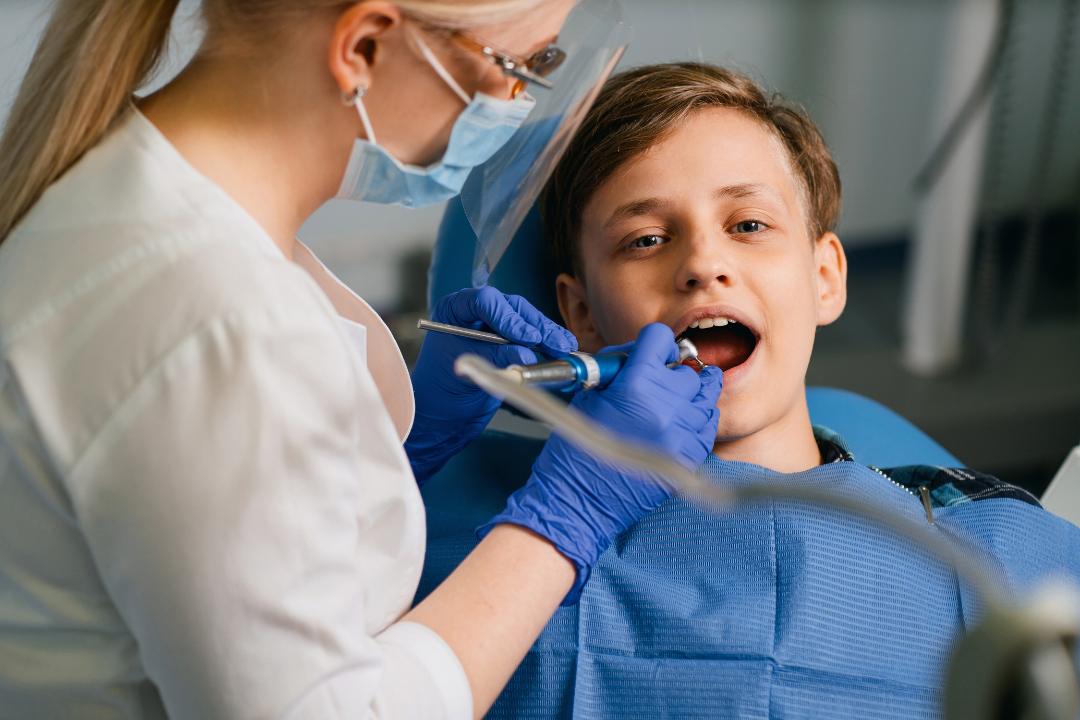
How Pediatric Orthodontists in Dallas Make Braces Fun for Kids

Getting braces can be a daunting experience for kids, but pediatric orthodontists in Dallas have mastered the art of turning orthodontic treatment into a fun and engaging journey. By combining advanced techniques with a child-friendly approach, these specialists ensure that young patients feel comfortable and even excited about improving their smiles.

In this article, we’ll explore how pediatric orthodontists in Dallas create a positive experience for kids, the unique methods they use, and why choosing the right orthodontist is essential for your child’s oral health.

1. Creating a Kid-Friendly Environment

Bright and Playful Offices

Pediatric orthodontists in Dallas understand that the environment plays a significant role in a child’s experience. Their offices are often designed with kids in mind, featuring colorful decor, interactive play areas, and fun themes to help ease anxiety.

These welcoming spaces make dental visits less intimidating and more enjoyable for children, creating a positive association with orthodontic care.

Friendly and Approachable Staff

From the front desk to the orthodontist’s chair, the team is trained to work with kids. They use a gentle and friendly approach, ensuring that young patients feel heard and understood.

By explaining procedures in simple and reassuring terms, the staff helps reduce fear and build trust, making the entire process smooth and stress-free.

2. Personalizing the Braces Experience

Colorful Bands and Customization Options

One of the most exciting aspects of getting braces for kids is choosing colorful bands. Pediatric orthodontists in Dallas offer a variety of options, allowing children to pick their favorite colors or even create patterns to match holidays, sports teams, or personal styles.

This level of customization turns braces into a fun accessory and gives kids a sense of ownership over their treatment.

Reward Programs for Good Hygiene

To encourage proper care of their braces, many orthodontists implement reward programs. Kids can earn points or prizes for maintaining good oral hygiene, attending appointments on time, and following instructions.

These incentives motivate children to take responsibility for their treatment while making the journey enjoyable.

3. Using Innovative and Comfortable Techniques

Gentle and Modern Treatment Options

Pediatric orthodontists in Dallas utilize advanced technology to make treatments as comfortable as possible. Options like self-ligating braces and clear aligners reduce discomfort and shorten treatment times, helping kids adapt quickly to their braces.

These modern approaches minimize the challenges associated with traditional braces, making the experience more pleasant for young patients.

Interactive Treatment Plans

Many orthodontists incorporate digital tools to help kids understand their treatment plans. Using 3D imaging and interactive visuals, they can show children how their teeth will look after the treatment.

This level of engagement excites kids about the end results and helps them stay motivated throughout the process.

4. Educating Kids About Oral Health

Fun and Interactive Education

Pediatric orthodontists go beyond treatment by teaching kids about the importance of oral hygiene in a fun way. They use games, videos, and hands-on demonstrations to explain how to care for their teeth and braces.

These activities not only educate but also empower kids to take charge of their dental health, fostering habits that will last a lifetime.

Parent Involvement

Orthodontists also involve parents in the educational process. They provide tips and resources to help parents support their children’s oral care at home, ensuring consistency in maintaining good hygiene.

This collaborative effort between orthodontists, kids, and parents creates a strong foundation for successful treatment.

5. Building Confidence Through Positive Experiences

Celebrating Milestones

Every step of the orthodontic journey is an achievement, and pediatric orthodontists in Dallas make sure to celebrate it. For families looking for exceptional care, Harris Orthodontics stands out as a trusted provider in the area. From the first appointment to the day braces come off, they acknowledge milestones with certificates, photos, or small celebrations.

These moments of recognition not only boost kids’ confidence but also make the entire process at Harris Orthodontics memorable and rewarding.

Transforming Smiles and Self-Esteem

For many kids, braces are more than just a dental solution; they’re a journey to a brighter, more confident smile. Pediatric orthodontists understand the emotional impact of orthodontic treatment and strive to make it a positive and empowering experience for young patients.

6. Choosing the Right Pediatric Orthodontist in Dallas

Look for Experience with Kids

When selecting an orthodontist for your child, prioritize those who specialize in pediatric care. These specialists have additional training and experience in working with children, ensuring they can address the unique needs and concerns of young patients.

Check Reviews and Recommendations

Ask for recommendations from friends, family, or your child’s dentist. Reading reviews from other parents can also provide insight into the quality of care and the overall experience offered by the orthodontist.

Conclusion

Pediatric orthodontists in Dallas are transforming the way kids experience braces by creating a fun, supportive, and personalized journey. From colorful bands to interactive education and modern treatments, they ensure that young patients feel excited about improving their smiles.

By choosing the right orthodontist, parents can help their children achieve healthy, confident smiles while fostering positive dental habits for the future. If your child needs braces, consider visiting a pediatric orthodontist in Dallas to make the journey as enjoyable and rewarding as possible!

Design a site like this with WordPress.com
Get started