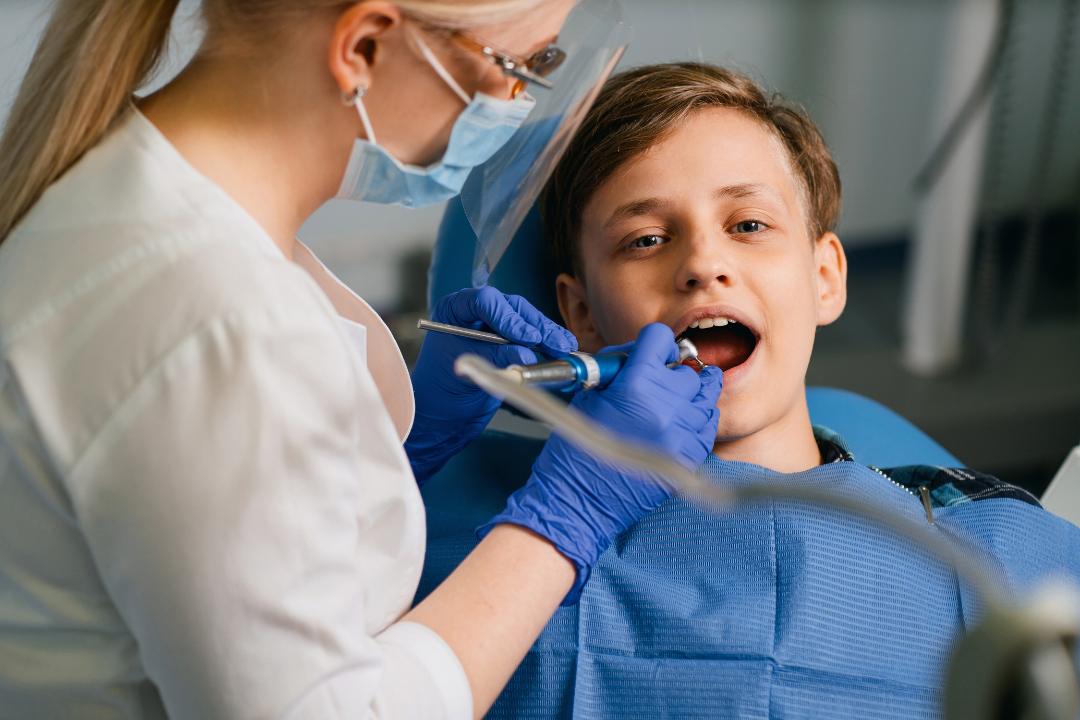
Telehealth, a digital innovation that bridges the gap between patients and healthcare providers, is making waves in dentistry. Traditionally, dental care required in-person visits, often leading to missed appointments and delayed treatments. However, the advent of telehealth has revolutionized preventive dentistry, offering unprecedented accessibility and efficiency.
Preventive dentistry focuses on maintaining oral health to avert serious dental issues. Through telehealth, patients can now access expert advice, monitor their oral health remotely, and stay informed about maintaining healthy teeth and gums. This article explores how telehealth is reshaping preventive dentistry and enhancing patient care.
1. The Role of Telehealth in Preventive Dentistry
What Is Telehealth in Dentistry?
Telehealth in dentistry, also known as teledentistry, uses digital communication tools to deliver oral healthcare services and education. Whether through video consultations, digital imaging, or educational platforms, it has redefined dental care accessibility.
- Video calls allow patients to consult with dentists from the comfort of their homes.
- Patients can send images or videos of their oral issues for a remote diagnosis.
This approach makes dental care more accessible, particularly for those who live far from clinics or have mobility challenges. It also provides a platform for real-time interaction and personalized recommendations.
Why Preventive Dentistry Matters
Preventive dentistry aims to maintain healthy teeth and gums to prevent problems like cavities, gum disease, and enamel erosion.
- Detecting issues early ensures timely intervention, often avoiding costly or invasive treatments.
- Teledentistry supports this by enabling regular monitoring and guidance, ensuring oral health stays on track.
Incorporating telehealth into preventive dentistry creates a proactive care model that prioritizes early detection and patient education. To learn more about the preventive dentistry from this website.
2. How Telehealth Enhances Accessibility
Breaking Geographical Barriers
One of telehealth’s most significant advantages is its ability to reach remote or underserved areas.
- Individuals in rural or isolated locations can now access professional dental advice without traveling long distances.
- This accessibility reduces disparities in oral healthcare and helps patients maintain regular consultations.
By eliminating the need for physical proximity, telehealth ensures that everyone, regardless of location, has access to high-quality preventive dental care.
Convenience for Busy Patients
For individuals with hectic schedules, telehealth offers a flexible alternative to traditional appointments.
- Patients can schedule virtual consultations at times that fit their routine, avoiding work or school disruptions.
- Quick access to dental advice reduces the likelihood of neglecting minor issues that could escalate.
This convenience encourages regular engagement with dental professionals, fostering better oral health practices over time.
3. Early Detection Through Remote Monitoring
Use of Digital Tools
Telehealth leverages advanced technologies to facilitate early detection of dental problems.
- Patients can use smartphones or cameras to capture images of their teeth and gums, which dentists analyze for potential issues.
- Some platforms integrate AI tools to assist dentists in identifying early signs of decay or gum disease.
This approach ensures that problems are addressed before they worsen, emphasizing preventive care’s importance.
Proactive Approach to Dental Care
Early detection is a cornerstone of preventive dentistry, and telehealth enhances this by enabling continuous monitoring.
- Dentists can provide actionable advice on managing plaque, addressing sensitivity, or correcting brushing techniques.
- Patients receive guidance tailored to their specific needs, fostering a proactive approach to oral health.
Regular virtual check-ins help maintain oral health standards and build a stronger patient-dentist relationship.
4. Educating Patients on Oral Hygiene
Interactive Guidance
Teledentistry platforms often include interactive educational tools to promote good oral hygiene.
- Video tutorials demonstrate proper brushing and flossing techniques.
- Virtual consultations allow dentists to explain the importance of dietary habits and their impact on oral health.
These resources empower patients to take charge of their oral hygiene routine and prevent common dental problems.
Empowering Patients
Telehealth fosters a collaborative dynamic where patients play an active role in their oral care.
- Easy access to professional advice boosts patients’ confidence in managing their dental health.
- Personalized recommendations help patients implement effective changes in their hygiene habits.
Empowered patients are more likely to adhere to preventive measures, reducing their risk of dental complications.
5. Benefits for Dental Practices
Streamlined Workflow
Telehealth optimizes dental practice operations by handling non-emergency consultations virtually.
- Dentists can dedicate in-office appointments to procedures requiring physical intervention.
- This efficiency reduces wait times and enhances the patient experience.
By balancing virtual and in-person care, dental practices can serve more patients effectively.
Cost-Effectiveness
Teledentistry minimizes costs for both patients and practitioners.
- Virtual consultations are often less expensive than in-office visits, making preventive care more affordable.
- Dental practices save on resources, such as chair time and materials, for consultations conducted remotely.
Cost savings contribute to a more sustainable and accessible healthcare model for everyone involved.
6. Challenges of Telehealth in Preventive Dentistry
Limitations in Diagnosis
While telehealth offers many benefits, it cannot completely replace in-person care.
- Physical examinations and procedures, such as cleanings or X-rays, require a clinic visit.
- Certain conditions may go undetected without the tactile evaluation provided during in-office assessments.
Patients and dentists must work together to balance telehealth and traditional care for optimal outcomes.
Technology Barriers
Not everyone has access to the devices or internet required for telehealth services.
- Low-income or elderly populations may face challenges in using digital platforms.
- Technical difficulties, such as poor video quality or connectivity issues, can hinder effective communication.
Addressing these barriers is essential to ensuring that telehealth benefits all populations.
7. The Future of Telehealth in Dentistry
Integration with AI and Advanced Tools
As technology advances, telehealth is expected to become even more effective.
- Artificial intelligence (AI) can enhance diagnostic accuracy, helping dentists identify issues more efficiently.
- Wearable devices may one day monitor oral health metrics, providing real-time data for preventive care.
These innovations promise a more comprehensive and proactive approach to dental care.
Expanding Preventive Services
Telehealth’s role in preventive dentistry is likely to grow, encompassing a broader range of services.
- Virtual platforms may incorporate stress management and dietary counseling to support oral health.
- Enhanced communication tools will make it easier for dentists and patients to collaborate on preventive strategies.
The integration of telehealth into mainstream dentistry ensures a future where oral health is more accessible and manageable.
Conclusion
Telehealth is transforming preventive dentistry by making care more accessible, efficient, and patient-focused. With tools for remote monitoring, virtual consultations, and patient education, telehealth empowers individuals to take control of their oral health.
While challenges like technology access and diagnostic limitations exist, advancements in AI and digital tools promise an exciting future for teledentistry. By embracing telehealth, dental practices and patients alike can achieve better outcomes, ensuring healthier smiles for years to come.
 Life Spectrum