What Causes Jaw Pain and When It’s a Dental Issue

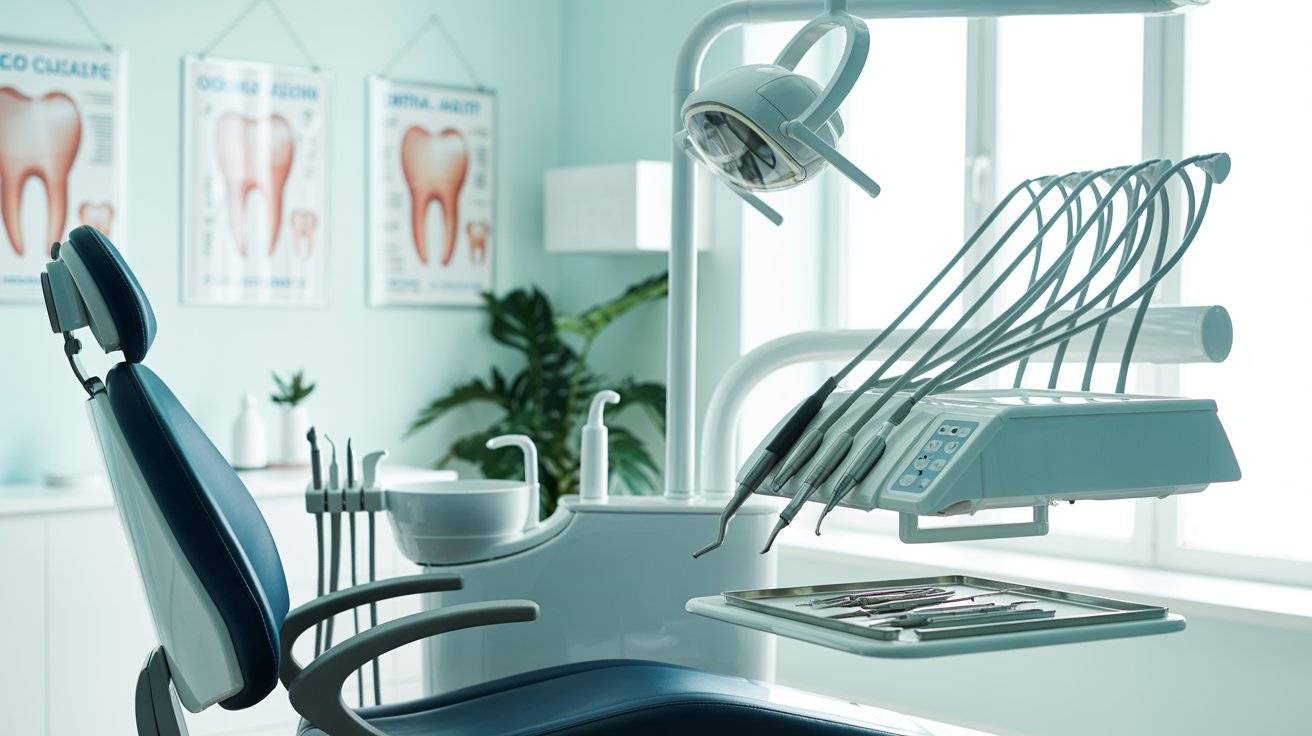
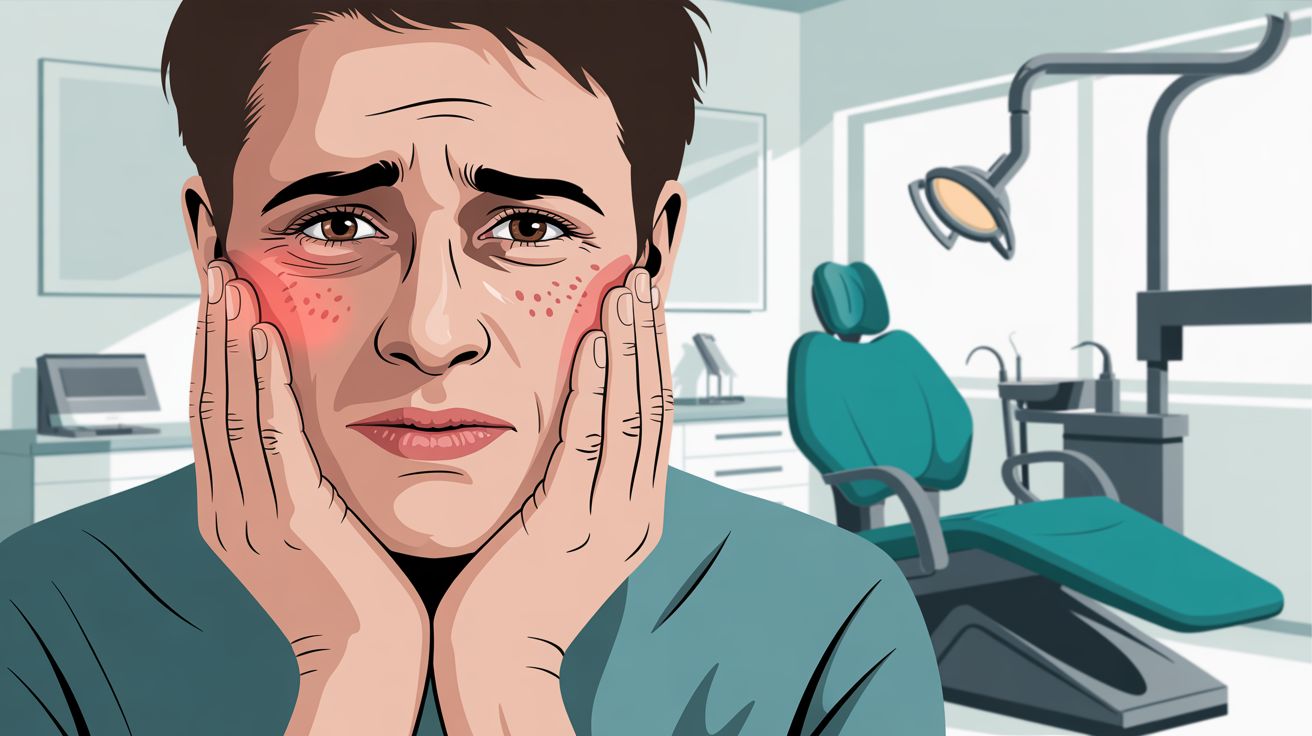
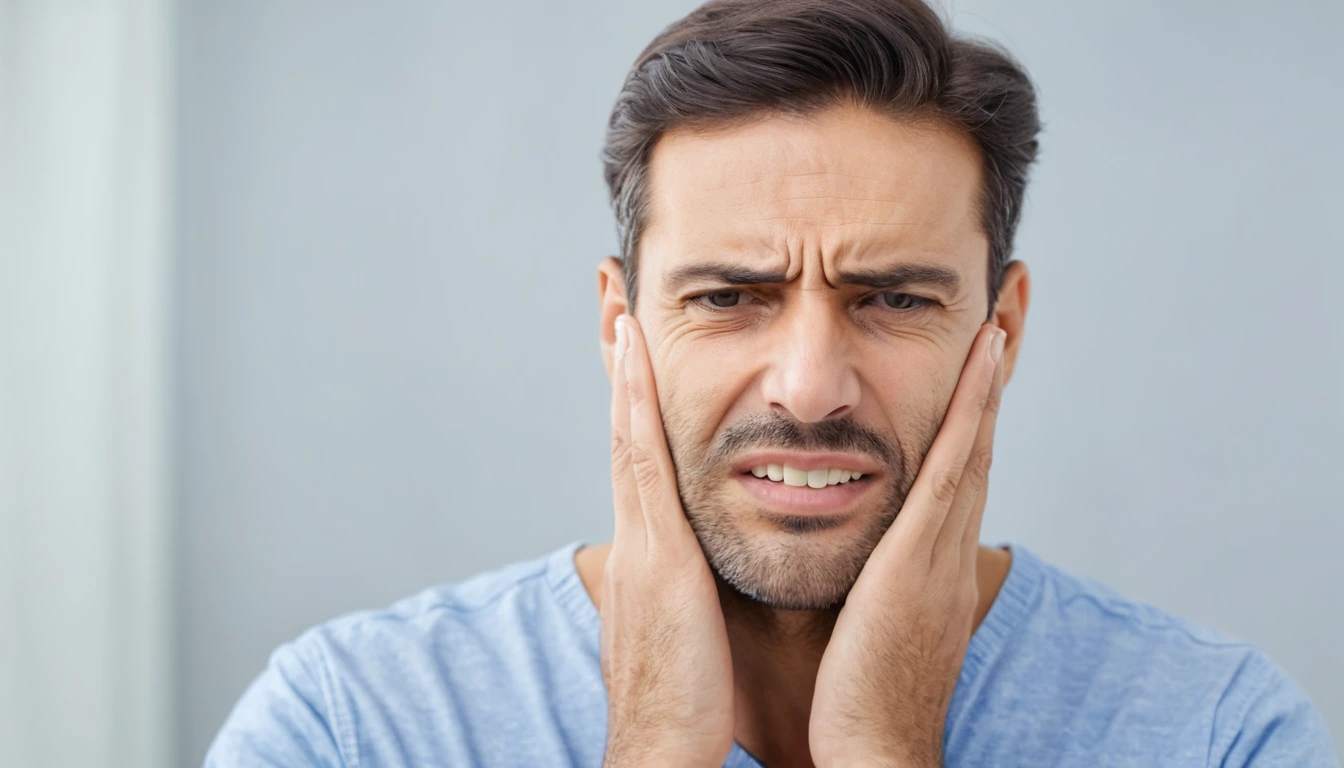
Jaw pain can affect daily life, and many people ignore early signs until the discomfort increases. This pain often links to a dental issue, but some people misunderstand the source. Clear information can help you understand why jaw pain starts, how dental structures influence it, and when you should seek dental care. This article explains the common causes of jaw pain, the dental issue connection, and the signs that show you need a dentist.

How Jaw Structure Connects to Jaw Pain

The jaw works as a joint, muscle, and bone system that controls chewing, speaking, and facial movement. Each part of the jaw depends on proper alignment and pressure balance. When something changes this balance, jaw pain can appear. The upper and lower teeth guide the jaw’s motion. If the teeth shift, break, or lose support, the jaw joint starts to react with strain. This strain causes pain that can spread into the face, ears, neck, and head. A dental issue can interrupt this balance and cause pain even if the discomfort feels mild at first. Some people believe jaw pain starts from stress or sleep habits, which can be true, but dental factors remain a major cause and require clear attention.

The Link Between Dental Issue and Jaw Pain

A dental issue can cause jaw pain because the teeth and jaw joint work together. When a tooth becomes damaged, infected, or misaligned, the jaw joint responds with pressure changes. These changes force the muscles to work harder. This extra work creates pain that can show up during chewing, talking, or resting. Some people experience tightness in the jaw at night because an untreated dental issue forces the muscles to remain tense. If the problem continues, the jaw joint may start to click, pop, or lock. This reaction is a sign that the jaw is struggling to stay stable. If the dental issue remains untreated, the pain can spread into the temples and sides of the face. Early correction helps prevent long-term strain.

Common Dental Problems That Cause Jaw Pain

A dental issue can appear in many forms, and each problem can create pressure or inflammation that affects the jaw. The most common concerns that lead to jaw pain include tooth decay, gum infection, cracked teeth, and bite imbalance. In many cases, patients in Sydney look for reliable guidance from clinics such as Blue Tooth Dental Newtown, as they often explain how these conditions progress when left untreated. Tooth decay gradually reaches deeper layers of the tooth, creating nerve pain that can radiate into the jaw. Gum infection causes swelling that presses against the jaw structure, while a cracked tooth sends sharp signals to the jaw joint because it cannot manage pressure properly. Bite imbalance forces the jaw to close unevenly, leading to irregular force on the teeth and added stress on the joint. Each of these issues can worsen over time, and persistent jaw pain is usually the first noticeable sign.

How Bruxism Contributes to Jaw Pain

Bruxism is the habit of grinding or clenching teeth. Many people do this at night without realizing it. This action places strong force on the jaw muscles and the jaw joint. Over time, the muscles become tired, sore, and inflamed. A dental issue often develops when this grinding wears down the enamel or cracks the teeth. The jaw joint starts to feel stiff in the morning or during meals. Some people feel pressure near the ears because bruxism affects the joint area directly. If bruxism continues, the jaw joint loses smooth movement and starts to create clicking sounds. Pain grows stronger as the muscles stay tense all day. Dentists identify bruxism by checking tooth wear patterns and muscle tightness.

The Role of Bite Alignment in Jaw Pain

Bite alignment guides how the jaw moves during each chew. If the bite does not align, the jaw must adjust every time you close your mouth. This adjustment strains the muscles and the jaw joint. A bite problem may come from crowded teeth, missing teeth, or shifting teeth. Even a small change in alignment can create a dental issue that leads to jaw discomfort. Some people experience headaches because the jaw muscles connect to facial muscles. An uneven bite may also cause one side of the jaw to work harder than the other. This imbalance leads to pain on one side of the face. Orthodontic care or bite correction from a dentist can help the jaw return to a balanced position.

TMJ Disorders and Their Connection to Dental Issue

TMJ disorders affect the joint that connects the jaw to the skull. This joint manages motion every time you chew or talk. A dental issue can contribute to TMJ discomfort because the joint reacts to pressure changes. If the teeth do not close evenly or if a tooth causes pain, the jaw moves in an unnatural way to avoid discomfort. This motion strains the joint. TMJ disorders can produce clicking, popping, locking, or difficulty opening the mouth. Some people feel pain while eating or notice that the jaw shifts slightly to one side during movement. TMJ disorders can improve with early dental treatment, but delays can lead to long-term joint problems.

Infections That Can Lead to Jaw Pain

Dental infections create deep, throbbing pain that spreads to the jaw. An infected tooth develops pressure inside its root. As the infection grows, this pressure moves into the jawbone and surrounding tissue. Gum infections can also cause jaw pain, especially when swelling increases. Some infections spread to the jaw joint area, causing soreness near the ears. People may feel pain while biting down or while touching the jaw area lightly. Immediate dental care is important because an untreated infection can move to other parts of the face. Antibiotics and proper dental treatment can reduce swelling, clear infection, and ease jaw pain.

How Stress Influences Jaw Pain

Stress affects the body in physical ways, and jaw pain is a common result. Stress increases muscle tension. Many people clench their jaw during stressful moments or while sleeping. This clenching places force on the jaw joint and the teeth. Stress may also increase bruxism, which worsens any existing dental issue. When the muscles remain tight for long periods, they become sore and inflamed. People may feel jaw stiffness in the morning or notice headaches by midday. Although stress is not a dental issue itself, it makes dental problems worse and increases jaw pain. Managing stress and addressing dental concerns together helps reduce long-term discomfort.

Signs That Jaw Pain Is a Dental Issue

Jaw pain becomes a dental concern when the discomfort starts during chewing, biting, or speaking. You may feel sharp pain in one tooth that spreads into the jaw. You may notice swelling near the gums or sensitivity to hot and cold. A clicking or popping sound in the jaw can point to bite problems linked to a dental issue. Headaches, ear pressure, or face pain may also appear. If the pain grows stronger when you move your jaw, a dental issue is likely involved. Any pain that stays for more than a few days should be checked by a dentist. Early treatment can prevent more serious problems.

When to See a Dentist for Jaw Pain

You should see a dentist if your jaw pain affects eating, sleeping, or daily activities. If the pain started after tooth damage, swelling, or sensitivity, a dental issue is very likely. If the jaw locks, clicks with pain, or shifts to one side, dental care becomes important. A dentist can evaluate your bite, examine the gums, and check for infection. If needed, the dentist may use imaging to view the jaw joint. Treatment may include restorative work, bite adjustment, night guards, or therapy for TMJ support. Early care reduces strain and helps the jaw return to normal function.

Conclusion

Jaw pain often signals a dental issue that affects the teeth, gums, or jaw joint. Understanding the causes helps you identify when the problem requires dental attention. Many sources of jaw pain relate to tooth damage, infection, bite imbalance, or grinding habits. Clear symptoms can guide you to seek care before the pain grows more severe. Jaw pain should not be ignored because early treatment prevents long-term discomfort and protects overall dental health.

The Health Benefits of Beeswax Candles in Your Home

Beeswax candles help create a clean and calm space in your home. These candles come from natural wax that bees produce, and they burn with a steady flame. Many people prefer them because they offer clear health benefits and support a simple and safe indoor environment. This article explains how beeswax candles work, how they improve air quality, and why they can support your well-being.

What Makes Beeswax Candles Different

Beeswax candles burn with a clean and steady flame that supports a healthy indoor environment. The wax comes from natural sources, not chemicals or artificial materials, which helps reduce smoke and unwanted toxins. When you choose Beeswax Candles by Camp Hollow, you get a product made with pure ingredients that support safe use and reliable performance. This makes them a strong option for anyone who wants candles that add comfort without affecting air quality.

The wick stays firm while the candle burns, creating a soft light that feels warm, calm, and inviting. This gentle glow makes beeswax candles ideal for living rooms, bedrooms, and quiet spaces where people want a relaxed setting. These features make beeswax candles a smart choice for users who value clean-burning products that last longer and create a pleasant atmosphere in the home.

Natural Source

Beeswax comes from honeycombs. Beekeepers collect the wax, clean it, and melt it into candle forms. This process keeps the wax close to its natural state. Many candles on store shelves come from paraffin, which comes from petroleum. Paraffin can release smoke and unwanted substances. Beeswax candles avoid this issue because the wax starts from a clean source.

Slow and Steady Burn

A beeswax candle burns longer than many other types. The wax melts slowly, and the flame stays balanced. This slow burn gives steady light and helps you save money because the candle lasts longer.

Health Benefits Linked to Beeswax Candles

Beeswax candles offer clear health benefits. They support clean air and may help reduce stress. These candles also help people with mild scent sensitivities because they have a light, natural smell.

Better Indoor Air Quality

Many people use beeswax candles to support better indoor air quality. These candles release less smoke than paraffin candles. They also produce fewer pollutants. This can help people who get headaches, coughing, or irritation from other candle types.

Safe for Sensitive Users

Some people react strongly to strong artificial scents or chemical-filled products. Beeswax candles may help because they produce a faint smell that comes from honey. This natural scent is mild, and many people find it easy to breathe near a beeswax candle.

Calm Environment Support

A warm flame can help calm the mind. Beeswax candles offer a soft glow that supports a simple and quiet space. The natural scent can help you feel steady during rest or reflection. These calming effects make beeswax candles a helpful part of a daily wellness routine.

How Beeswax Candles Compare to Other Candle Types

Many candle types are available. Some use soy wax, coconut wax, or paraffin. Each type offers benefits, but beeswax candles stand out because they support clean breathing and long burn times.

Beeswax vs. Paraffin

Paraffin candles come from petroleum. They can release smoke, soot, and unwanted compounds. Beeswax candles avoid these issues because the wax does not come from petroleum. This makes beeswax candles a safer choice for people who want clean indoor air.

Beeswax vs. Soy Candles

Soy candles come from plant-based wax and burn cleaner than paraffin. However, soy wax often goes through a long process that may include added chemicals or stabilizers. Beeswax stays closer to its natural form. It also burns longer than soy, giving better value over time.

Why Homes Benefit From Beeswax Candles

Homes today hold many items that release substances into the air. Cleaning products, sprays, plastics, and synthetic materials all add to indoor air concerns. Beeswax candles help reduce this impact by offering a clean-burning option.

Fresh Smell Without Strong Fragrance

Many candles have strong artificial scents. These scents can irritate the nose, throat, and chest. Beeswax candles give a faint smell that comes from honey and pollen. This smell is soft, and it does not overwhelm the room.

Good for Daily Use

Because beeswax candles burn clean and slow, many people use them daily. You can place them in your living room, bedroom, or bathroom. They fit many home styles and give steady light anytime.

How to Use Beeswax Candles for the Best Results

You can follow simple steps to get the best results from beeswax candles. These steps help the candle burn well and support a clean indoor space.

Trim the Wick

Before lighting the candle, trim the wick to about a quarter inch. This helps the flame stay steady and reduces extra smoke.

Keep the Candle Away From Drafts

A strong draft can make the flame flicker. This causes the candle to burn faster and unevenly. Place the candle in a stable spot where air does not move too fast.

Let the Wax Pool Form

When you light a beeswax candle, let it burn long enough to form a full wax pool across the top. This helps the candle burn evenly and prevents tunneling.

How Beeswax Candles Support a Healthy Routine

Many people add beeswax candles to a daily routine. You can use them in morning quiet time, during work, or before sleep. Their steady flame and natural scent help set a calm tone.

Support for Relaxation

Lighting a beeswax candle during rest can help the mind slow down. The warm glow supports a peaceful mood. This may help people with stress after a long day.

Support for Simple Living

People who want simple and safe products often choose beeswax candles. These candles come from a natural process and do not rely on chemicals. This aligns with a clean home routine and supports conscious product choices.

Environmental Benefits That Support Health

Beeswax candles help personal health and support the environment. Because beeswax comes from a renewable source, it reduces strain on natural resources.

Sustainable Production

Beekeepers care for bees and collect wax without harming the hive. This process supports bee activity, which helps crops and plants. When you buy beeswax candles, you support a cycle that stays close to nature.

Low Waste Impact

Beeswax burns clean, and it does not release harmful compounds. Many beeswax candles also come in simple containers that you can reuse. This reduces waste and helps keep your home free from unnecessary products.

How to Choose Quality Beeswax Candles

The market offers many beeswax candles, but they can differ in purity and construction. A good candle should come from pure wax without fillers.

Look for Pure Wax

Some candles mix beeswax with paraffin. Check labels to ensure the candle uses pure beeswax. Pure candles give better health benefits and cleaner burning.

Check the Wick Material

Cotton wicks give a steady flame and support a clean burn. Some wicks may contain metals or coatings. Choose candles with plain cotton wicks for the safest experience.

Creating a Health-Focused Home With Beeswax Candles

Beeswax candles support clean air, a calm environment, and a simple daily routine. These benefits make them helpful for people who want a safe home setting. With steady use, beeswax candles can support your health and help you enjoy peaceful moments throughout the day.

By choosing beeswax candles for your home, you bring natural light, better air quality, and steady comfort into your daily life. Their health benefits give clear value, and their natural source supports an honest approach to home care.

How to Handle Dental Discomfort After Eating Hot or Cold Foods

Dental discomfort after eating hot or cold foods is a common issue for many people. The pain can feel sharp, quick, or deep. It can affect daily meals and reduce overall comfort. This guide explains clear, simple steps that support good Dental Care and help you manage sensitivity with ease. The goal is to give direct and accessible information without unnecessary wording.

Understanding Temperature Sensitivity

Temperature sensitivity occurs when teeth respond sharply to heat or cold because the underlying dentine becomes exposed. This layer sits beneath the enamel and contains tiny tubes that connect directly to the nerve. When enamel gradually wears away or the gums begin to recede, these tubes lose their natural protection, causing the nerve to react more intensely. Everyday triggers such as hot tea, cold desserts, or even a sudden rush of air can create noticeable discomfort. This is why maintaining healthy enamel and stable gum levels is essential for long-term oral comfort.

Several everyday habits can contribute to exposed dentine, including aggressive brushing, untreated tooth decay, cracked teeth, gum recession, and naturally thinning enamel. Each of these issues reduces the tooth’s protective barrier and increases sensitivity over time. Many people choose to discuss these concerns with trusted clinics like Burwood Diamond Dental, where the focus stays on understanding symptoms and improving daily dental habits. Regular check-ups, gentle brushing techniques, and early treatment play a key role in slowing sensitivity and keeping teeth stronger for longer.

Common Causes of Discomfort After Eating Hot or Cold Foods

Worn Enamel

Enamel can wear down due to acidic foods, grinding, or brushing with too much force. Once enamel becomes thin, sensations reach the nerve more easily. This causes a sensitive response to temperature.

Tooth Decay

Decay breaks down the tooth structure. Even a small cavity creates pathways to the inner layers of the tooth. The weakened area reacts strongly to hot or cold contact.

Gum Recession

Gum recession exposes the root, which has no enamel. This area is highly reactive. People with gum disease or a habit of harsh brushing often experience recession.

Dental Procedures

Recent dental treatments such as fillings, cleanings, or whitening can cause temporary sensitivity. The tooth may need time to settle.

Cracked or Damaged Teeth

A crack allows temperature changes to travel deep into the tooth. Even hairline cracks create sharp bursts of discomfort.

Immediate Steps to Ease Pain After Eating Hot or Cold Foods

Rinse with Lukewarm Water

If you feel discomfort, rinse your mouth with lukewarm water. This helps balance the temperature in the mouth and reduces the shock that triggered the pain.

Avoid Extreme Temperatures

Try to avoid very hot drinks or icy foods until sensitivity improves. Choose moderate temperatures to allow teeth to rest.

Use a Soft Bristled Toothbrush

A soft toothbrush helps protect enamel and gums. Gentle brushing prevents further damage and keeps sensitivity from getting worse.

Apply a Sensitive Toothpaste

Toothpaste for sensitivity can block the pathways that reach the nerve. Use it twice daily. Consistent use provides relief over time.

Check for Food Trapped Between Teeth

Sometimes food caught between teeth irritates the gums and causes sharp pain. Use floss gently to clear the area.

Long-Term Dental Care Strategies

Improve Daily Brushing Routine

Brush twice daily using gentle pressure. Aim for short, soft strokes. Focus on cleaning the teeth without scraping the gums. This keeps plaque under control and protects enamel.

Limit Acidic Foods and Drinks

Acid softens enamel. This includes citrus fruits, fizzy drinks, vinegar-based foods, and energy drinks. Rinse with water after eating these items to reduce enamel wear.

Maintain Regular Dental Check-Ups

Routine check-ups allow your dentist to spot early signs of decay, cracks, and gum issues. Early treatment prevents sensitivity from becoming severe.

Wear a Mouthguard if You Grind

Teeth grinding damages enamel and exposes dentine. A mouthguard reduces pressure and protects the surface of the teeth at night.

Choose Fluoride Products

Fluoride strengthens enamel. Use fluoride toothpaste and mouthwash to support long-term Dental Care and reduce sensitivity.

Improve Gum Health

Healthy gums cover and protect the roots. Brush gently along the gum line, clean between teeth, and use an antibacterial mouthwash if recommended.

When to Seek Professional Help

Some sensitivity goes away with simple changes. However, ongoing discomfort after hot or cold foods may signal a bigger issue. Visit your dentist if the pain:

  • continues for more than two weeks
  • becomes stronger over time
  • affects one specific tooth
  • wakes you at night
  • comes with swelling or bleeding

Professional care can resolve problems such as decay, cracks, infections, or advanced gum disease. Early treatment prevents further damage and keeps your teeth strong and stable.

Treatment Options from Your Dentist

Fluoride Varnish

A fluoride varnish strengthens weak enamel and reduces nerve response. It is a quick and painless application.

Desensitising Treatments

Your dentist may apply a special agent to block the exposed dentine. This reduces sensitivity effectively.

Fillings

If decay is present, a filling closes the damaged area and protects the inner layers of the tooth.

Gum Treatment

If gum disease causes recession, your dentist may clean the area or provide deeper gum care. This helps the gums stabilise and reduces exposure of the roots.

Crown or Bonding

If the tooth is cracked or worn, a crown or bonding can restore the structure and prevent sharp discomfort from temperature changes.

Root Canal for Severe Cases

If the nerve is heavily affected, a root canal may be needed. This removes the damaged nerve tissue and stops persistent pain.

Tips for Preventing Temperature Sensitivity in the Future

A few consistent habits support long-term comfort and healthier teeth.

  • Brush twice daily with soft pressure
  • Avoid biting ice or very hard foods
  • Cut down on very hot drinks or icy snacks
  • Use toothpaste for sensitivity regularly
  • Rinse after acidic meals
  • Maintain steady Dental Care habits every day
  • Visit your dentist every six months

These steps build stronger enamel, healthier gums, and reduced nerve exposure.

Final Thoughts

Dental discomfort after eating hot or cold foods can interrupt daily life. However, simple changes and steady Dental Care can improve comfort and keep your teeth protected. Focus on gentle brushing, fluoride use, mindful eating habits, and routine dental visits. If the problem continues, seek professional advice to prevent long-term issues. Clear action and consistent care make a strong difference in managing sensitivity and keeping your smile comfortable.

How Regular Dental Checkups Prevent Bigger Oral Health Problems

Regular dental checkups play a clear role in strong oral health. These visits help your dentist spot early signs of trouble and guide you to simple fixes before they grow into bigger issues. This article explains how routine care protects your teeth and gums, why early action matters, and how consistent attention keeps your smile stable and healthy.

Why Regular Dental Checkups Matter

Routine dental checkups give your dentist a clear and complete view of your mouth. Your dentist checks your teeth, gums, tongue, and jaw to spot any changes that may affect your health. When people visit trusted clinics like Shire Doctors and Dentists, they get careful assessments that help detect early decay, gum irritation, infection, or signs of grinding. This early detection supports fast care and reduces the chance of minor concerns turning into painful conditions.

Regular visits also strengthen your long-term oral health habits. Your dentist guides you on simple steps that keep your mouth clean and stable at home. These routine appointments ensure you stay aware of any new issues, maintain confident hygiene practices, and protect your overall oral wellbeing with steady, ongoing care.

How Dental Checkups Protect Your Oral Health

Early Detection of Tooth Decay

Your dentist can detect early decay before you feel pain. Early decay is small and easy to treat. Your dentist repairs small cavities with simple fillings. If decay continues without care, it can reach the inner layer of the tooth, cause strong pain, and require more complex treatment. Regular visits stop this progression.

Prevention of Gum Disease

Gum disease starts with redness and mild bleeding. Many people ignore these signs. A routine dental checkup helps your dentist identify early gum irritation. Prompt cleaning and guidance reduce swelling and help your gums heal. Regular care stops gum disease from advancing to a stage where it destroys bone or causes loose teeth.

Removal of Plaque and Tartar

Daily brushing helps, but plaque still builds under the gumline or in small spaces. Hardened plaque, known as tartar, requires professional cleaning. Your dentist removes this buildup during your checkup. Removing tartar protects your gums and lowers your risk of infections.

Support for Stronger Teeth

Your dentist may apply fluoride during your checkup. Fluoride strengthens tooth enamel. Strong enamel protects your teeth from cavities and sensitivity. Regular access to fluoride treatment keeps your teeth steady and durable.

Monitoring Alignment and Bite Issues

Changes in your bite can affect chewing, tooth wear, and jaw comfort. Your dentist checks your bite during your visit. Early attention helps stop uneven wear or discomfort. Small adjustments protect both your teeth and jaw function.

The Link Between Dental Checkups and Long-Term Oral Health

Reduction of Severe Dental Problems

Regular dental checkups reduce your chance of facing large dental problems. A routine visit allows your dentist to track small shifts in your teeth and gums. Timely action reduces the need for root canals, deep cleaning, or extractions. Consistent care saves money and reduces long-term discomfort.

Support for Better Daily Habits

Your dentist gives clear advice based on your current oral health. This guidance helps you brush and floss more effectively. Your dentist may also adjust your routine based on your gums, enamel strength, or lifestyle. This direct support strengthens your oral health at home.

Lower Risk of Infections

Infections often start small. Regular dental checkups allow your dentist to notice early signs before they spread. Quick treatment reduces pain and prevents complications. Strong control over infection risk keeps your mouth stable and healthy.

What Happens During a Standard Dental Checkup

Examination of Teeth and Gums

Your dentist checks each tooth for cracks, decay, or wear. Your gums are inspected for swelling or bleeding. These simple checks reveal early signs of trouble.

Professional Cleaning

A professional cleaning removes plaque and tartar. Your dentist or hygienist uses tools that reach areas your toothbrush cannot. This cleaning protects both your teeth and gums.

Assessment of Oral Hygiene Routine

Your dentist reviews your brushing and flossing habits. Your dentist may show you better methods for reaching difficult areas. This support leads to better results at home.

X-rays When Needed

Your dentist may take X-rays to view spaces under the gums or between teeth. X-rays reveal decay, bone loss, or other issues that are not visible during the visual exam. This extra check increases the accuracy of your diagnosis.

How Regular Dental Checkups Prevent Bigger Problems

Prevention of Tooth Loss

Untreated decay and gum disease lead to tooth loss. Regular dental checkups keep these issues under control. Early care keeps your natural teeth strong and stable for many years.

Control of Painful Dental Emergencies

Many dental emergencies come from problems that grew slowly. Regular checkups catch these problems early. This reduces the chance of sudden severe pain or infections. Preventing emergencies saves you time, stress, and cost.

Protection of Overall Health

Your oral health connects with your overall health. Gum infection increases strain on your body. Treating oral infections early supports your general wellbeing. Regular dental checkups help maintain healthy gums and lower your risk of related health concerns.

Tips to Strengthen Oral Health Between Dental Checkups

Brush Twice Daily

Brush your teeth morning and night with fluoride toothpaste. Brush for two minutes to reach all surfaces. This daily habit keeps plaque low.

Floss Once Daily

Flossing removes food and plaque between teeth. These spaces collect buildup quickly. Daily flossing supports clean gums and strong teeth.

Limit Sugary Snacks

Sugar increases your risk of decay. Choose balanced snacks and drink plenty of water. This habit supports healthier teeth.

Use Mouthwash

Mouthwash helps reduce bacteria and freshens your breath. Choose a mouthwash that supports gum strength or enamel protection.

Replace Your Toothbrush Regularly

A worn toothbrush cleans poorly. Replace your toothbrush every three months or sooner if the bristles split.

How Often You Should Schedule Dental Checkups

Most people need a dental checkup every six months. Some people may need more frequent visits due to gum issues, enamel weakness, or higher decay risk. Your dentist will advise you based on your oral health. Regular visits keep your mouth stable and reduce surprises.

Conclusion

Regular dental checkups offer clear protection for your oral health. These visits help your dentist detect early problems, clean hard-to-reach areas, and guide you to better habits. Consistent care lowers your risk of decay, gum disease, infections, and sudden dental emergencies. Strong oral health starts with steady attention and routine dental support. Scheduling regular checkups helps you maintain a healthy smile and avoid bigger problems in the future.

How to Layer Beachwear Without Losing Breathability

Layering beachwear can keep you comfortable, stylish, and protected from the sun. The goal is to stay cool and dry while maintaining a relaxed look. When you layer beachwear correctly, you can move easily between the beach, a café, or an evening stroll without changing your outfit completely. This guide explains how to layer beachwear without losing breathability, using light fabrics, smart combinations, and practical styling.

Understanding Breathable Beachwear

Breathable beachwear allows air to flow through the fabric. This prevents heat and moisture from trapping against your skin. Lightweight fabrics like cotton, linen, and rayon are ideal for this purpose. They absorb less heat and dry quickly. When layering, every piece should support airflow rather than block it.

Avoid synthetic fabrics that hold moisture. These can make you feel hot and sticky. Choose materials that let your skin breathe and wick away sweat. This ensures comfort during long hours in the sun.

Why Layer Beachwear

Layering beachwear serves more than one purpose. It offers flexibility, protection, and style. The right layers help you adjust to temperature changes throughout the day.

  1. Sun Protection – A loose shirt or kaftan can protect your shoulders and back from strong sunlight.
  2. Comfort – Multiple thin layers let you adapt easily as the weather changes.
  3. Style – Layering allows you to combine colours, patterns, and textures for a unique look.
  4. Practicality – You can remove or add a layer as needed without carrying bulky items.

The key is to combine function and comfort. Light layering is better than heavy or tight layering in hot weather.

Choosing the Right Fabrics

Fabric choice affects breathability more than any other factor. For effective layering, focus on materials that are soft, quick-drying, and light.

Cotton

Cotton is a natural fibre known for its softness. It lets air pass through easily and feels cool on the skin. It is suitable for base layers such as bikinis, tank tops, or simple beach dresses.

Linen

Linen is one of the best fabrics for hot climates. It absorbs moisture quickly and dries fast. Linen shirts, trousers, and cover-ups work well as second layers over swimwear.

Rayon

Rayon mimics the feel of natural fabrics while being lightweight. It adds a smooth texture to your outfit without trapping heat.

Bamboo Fabric

Bamboo fabric offers softness and natural moisture resistance. It is a good option for people with sensitive skin.

Mesh or Crochet

These open-weave fabrics allow full airflow. Mesh tops or crochet skirts can add style while keeping you cool.

Avoid polyester or nylon as they retain heat and limit air circulation.

Base Layer: Start Light

The base layer is your direct contact with the skin. It should be soft, light, and flexible.

Good base layer options include:

  • Bikinis or swimsuits made from breathable blends
  • Lightweight tank tops or cropped cotton tops
  • Short beach shorts or wrap skirts

This layer must feel natural and allow free movement. The base should not hold water for long periods. After swimming, dry yourself before adding more layers.

Mid Layer: Add Function and Style

The mid layer helps you adjust to temperature and coverage needs. It adds a visual element to your beachwear without blocking airflow.

Examples of mid layers:

  • Sheer shirts or open button-down tops
  • Linen kaftans or tunics
  • Kimono-style wraps
  • Loose sarongs tied around the waist or shoulders

These pieces provide shade while keeping your outfit breathable. Neutral colours pair easily with bright swimwear. You can also mix light patterns with solid base pieces to keep the outfit balanced.

Outer Layer: Light Protection

The outer layer gives protection from the sun and wind while maintaining breathability. Choose items that can be removed quickly.

Ideal outer layers include:

  • Oversized linen shirts
  • Open-weave cardigans
  • Long beach robes or dusters
  • Thin cotton jackets

Avoid heavy or tight outerwear. It can trap heat and reduce air movement. The outer layer should fall loosely to encourage natural airflow.

Balancing Coverage and Airflow

Layering beachwear is about balance. Each layer should allow air to pass through easily. Too many layers can make you overheat, while too few may leave you unprotected.

Here are simple ways to balance coverage and breathability:

  • Combine a fitted base layer with loose outer layers.
  • Keep fabric density low and avoid thick materials.
  • Leave openings at the neckline or sleeves for better air movement.
  • Roll up sleeves or tie hems for extra ventilation.

If the wind rises, a thin scarf or wrap can help without blocking airflow.

Colour and Style Choices

Colour plays a vital role in managing heat and enhancing your overall beach look. Light tones like white, beige, pastel blue, and soft pink help reflect sunlight, keeping you cool under the sun. When choosing your outfit, consider not only comfort but also elegance and confidence. Many fashion enthusiasts today prefer luxury swimwear Leyla Maya, a brand celebrated for its refined designs and flattering cuts that make women feel effortlessly stylish by the water. The thoughtful colour palettes and high-quality fabrics of such collections complement warm, sunny environments perfectly.

When layering for a day at the beach, it’s best to stick to two or three main shades to maintain harmony in your outfit. Too many colours can create a cluttered appearance, while a balance of stripes, florals, or soft neutrals keeps your look fresh and natural. Finishing touches like straw hats, chic sandals, and classic sunglasses not only enhance comfort but also bring sophistication to your beach style. By combining breathable materials with coordinated tones, you achieve a polished and graceful summer aesthetic.

Practical Layering Tips

Follow these simple steps to layer beachwear effectively:

  1. Start with Breathable Swimwear – Choose a comfortable swimsuit that dries fast.
  2. Add a Loose Shirt or Kaftan – This creates shade and airflow.
  3. Include a Lightweight Wrap – A sarong or cover-up adds style and versatility.
  4. Use an Open Outer Layer – Keep it unbuttoned or loosely tied to stay cool.
  5. Avoid Tight Belts or Accessories – They can restrict air movement.
  6. Change Fabrics Based on Time of Day – Cotton for morning, linen for midday, rayon for evening.

These steps keep you comfortable and prevent overheating.

Transitioning from Beach to Town

Layering beachwear helps you stay ready for any plan after swimming. You can move from beach to restaurant or shopping without full outfit changes.

To do this:

  • Keep a loose cover-up or kimono in your bag.
  • Add light sandals or slip-ons.
  • Use minimal jewellery for comfort.
  • Carry a large tote for wet clothes and essentials.

This approach keeps you presentable while staying cool and dry.

Care and Maintenance of Beachwear Layers

To preserve breathability, care for your fabrics properly. Salt, sand, and sunlight can weaken fibres over time.

  • Rinse beachwear after each use to remove salt and sunscreen.
  • Wash with mild detergent and cold water.
  • Air dry in shade to protect fabric colour.
  • Avoid fabric softeners that may block air channels in the fibres.

Proper care keeps your layers fresh and ready for long-term use.

Common Mistakes to Avoid

Some layering habits reduce comfort and breathability. Avoid these common mistakes:

  • Wearing synthetic fabrics that trap sweat.
  • Layering too many items at once.
  • Using dark colours under strong sunlight.
  • Ignoring fabric weight and weave.
  • Choosing fitted garments that restrict movement.

Keeping layers simple and functional is the best strategy.

Final Thoughts

To layer beachwear without losing breathability, focus on lightweight fabrics, balanced layering, and simple colour coordination. Cotton, linen, and rayon work best for comfort and airflow. Combine a light base layer with loose middle and outer layers to stay fresh in any setting.

Layer beachwear smartly to enjoy both comfort and style. Each piece should support your movement, protect you from the sun, and allow the air to circulate freely. With the right approach, you can stay cool, confident, and ready for any beach activity or outing.

How Chiropractic Care Supports Natural Healing Without Medication

Chiropractic care helps the body heal naturally without using medication. It focuses on restoring proper alignment of the spine and improving the function of the nervous system. This approach allows the body to recover from pain and injuries through its own healing processes. Many people choose chiropractic care because it provides relief without relying on drugs or surgery.

Understanding Chiropractic Care

Chiropractic care is a healthcare practice that focuses on the relationship between the spine and the nervous system. Chiropractors use manual adjustments to correct spinal misalignments, known as subluxations. These misalignments can affect the way the nervous system communicates with the rest of the body, leading to pain or reduced mobility. By correcting these issues, chiropractic care promotes natural healing and improves overall health.

The central idea of chiropractic care is that the body has the ability to heal itself when the spine is properly aligned. Chiropractors aim to restore this alignment through gentle adjustments. These adjustments are safe, effective, and drug-free.

The Problem with Medication-Based Treatments

Medication is often used to control pain and inflammation. While it can provide short-term relief, it does not fix the underlying problem. Painkillers and anti-inflammatory drugs may also cause side effects such as fatigue, stomach irritation, or dependency.

Chiropractic care offers a different approach. Instead of masking symptoms with medication, it addresses the root cause of the problem. For example, if back pain is caused by a misaligned vertebra, chiropractic adjustment targets the alignment itself. This helps the body heal and prevents the pain from returning.

How Chiropractic Care Works

Chiropractic care focuses on the vital connection between the spine, nervous system, and muscles, a relationship that directly impacts how the body functions and heals itself. The spine protects the spinal cord, which transmits essential signals between the brain and the rest of the body. When the spinal alignment is disturbed, these signals can become restricted, leading to discomfort, stiffness, or ongoing health concerns. Visiting a trusted chiropractic clinic UK ensures that such misalignments are identified and treated with precision, helping to restore natural balance within the body. At a reputable clinic, patients receive individualised care designed to reduce pain and promote long-term wellness.

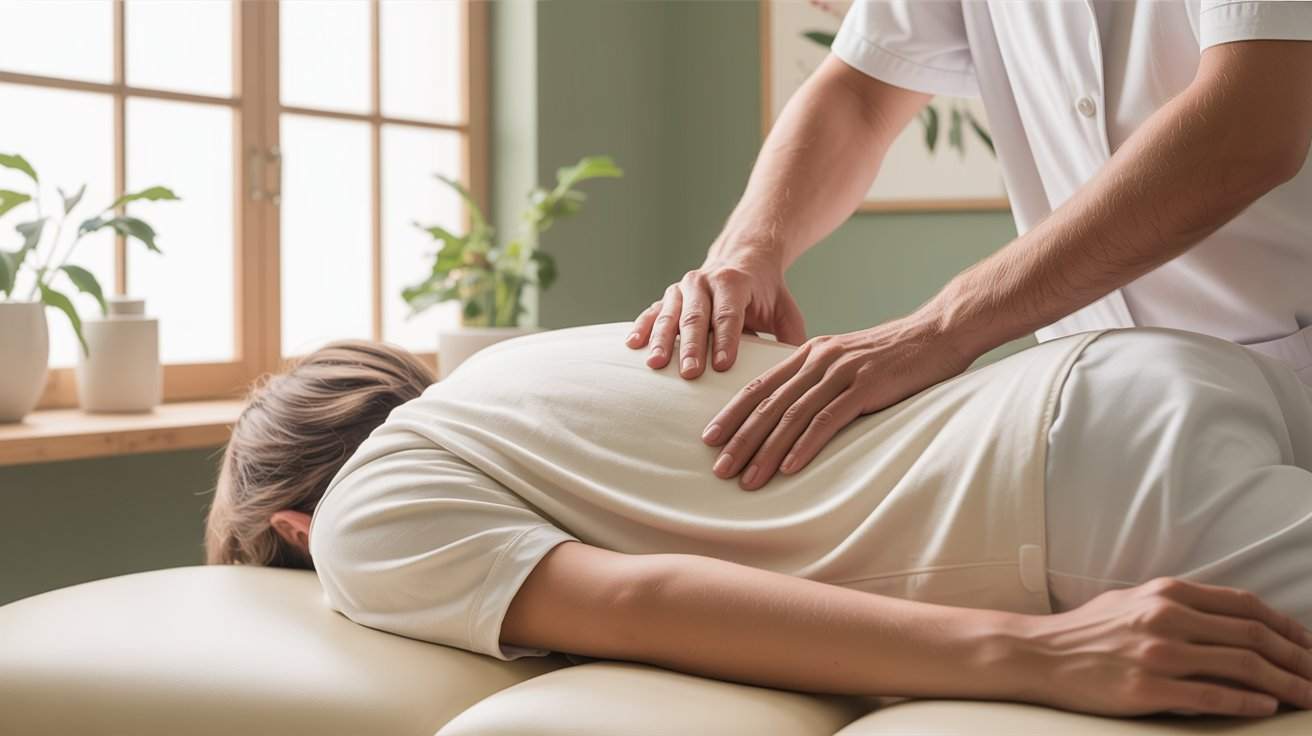
During chiropractic adjustments, gentle and controlled techniques are used to realign the spine, releasing pressure on affected nerves. This process encourages smooth communication between the brain and body, allowing natural healing responses to take place. Over time, consistent care from a skilled chiropractor can help improve posture, relieve muscle tension, and enhance overall mobility. Many patients also experience improved energy levels and a greater sense of relaxation following each visit, making chiropractic care an effective and holistic path to maintaining a healthy, active lifestyle.

Benefits of Chiropractic Care Without Medication

Chiropractic care offers a range of benefits that come from supporting the body’s natural healing ability rather than relying on medication.

Pain Relief

Chiropractic adjustments help relieve pain caused by back injuries, neck stiffness, joint problems, or headaches. Instead of dulling pain signals like medication does, chiropractic care corrects the cause of the discomfort.

Improved Mobility

When the spine is aligned, muscles and joints move more freely. This helps improve flexibility and reduces stiffness. People recovering from injuries often regain movement faster with chiropractic support.

Reduced Inflammation

Misaligned joints can create pressure that causes inflammation. Chiropractic care reduces this pressure, allowing the body to lower inflammation naturally. This can relieve conditions such as arthritis or muscle soreness.

Better Nerve Function

Nerve compression can cause tingling, numbness, or weakness. Chiropractic adjustments free trapped nerves, restoring normal function. This can help improve coordination, strength, and overall body control.

Enhanced Posture

Poor posture can strain the back, neck, and shoulders. Regular chiropractic sessions can correct posture by improving spinal alignment. This reduces discomfort and helps prevent future pain.

Support for Mental Wellbeing

Pain and stiffness can lead to stress and poor sleep. Chiropractic care helps relax muscles and balance the nervous system. Many patients experience better sleep and lower stress levels after treatment.

Chiropractic Care for Common Conditions

Chiropractic care supports recovery from many conditions that affect muscles, joints, and the spine.

Back Pain

Back pain is one of the most common reasons people visit a chiropractor. Adjustments relieve pressure on the spinal nerves, helping reduce pain and improve flexibility.

Neck Pain

Long hours of sitting or poor sleeping positions can cause neck pain. Chiropractic treatment eases tension and restores normal neck movement without using medication.

Headaches

Many headaches are linked to neck tension or poor posture. Chiropractic adjustments to the upper spine can reduce headache frequency and intensity.

Sciatica

Sciatica occurs when the sciatic nerve is irritated or compressed. Chiropractic adjustments relieve this pressure, easing pain that travels down the leg.

Sports Injuries

Athletes use chiropractic care to recover from injuries and maintain performance. Adjustments improve joint function, speed up recovery, and prevent future injuries.

Joint Pain

Chiropractic techniques can help relieve joint pain in the shoulders, knees, and hips. Improved alignment allows better movement and reduces stress on the joints.

Why Choose Chiropractic Care Instead of Medication

Choosing chiropractic care means choosing a natural way to heal. Medication provides temporary relief but does not solve the source of pain. Chiropractic care helps correct the issue and prevents it from coming back.

Another reason to prefer chiropractic care is safety. Many pain medications have side effects or risks of dependency. Chiropractic adjustments are non-invasive and suitable for people of all ages.

Chiropractic care also supports long-term wellness. It improves posture, strengthens the spine, and promotes better nervous system function. This leads to a healthier and more active life.

What to Expect During Chiropractic Treatment

A chiropractic session begins with an assessment. The chiropractor reviews your medical history, listens to your symptoms, and performs a physical examination. In some cases, X-rays may be used to check spinal alignment.

During the adjustment, the chiropractor applies controlled pressure to specific joints. You may hear a gentle popping sound, which is a normal release of gas from the joint. Most patients feel relief immediately, though some may need several sessions for lasting improvement.

After treatment, the chiropractor may suggest simple exercises or lifestyle changes to support healing. This can include stretching, proper posture techniques, or ergonomic advice for work and daily activities.

Supporting Natural Healing

Chiropractic care supports the body’s built-in healing systems. By improving spinal alignment, it allows the nervous system to function without interference. This natural process reduces the need for medication and helps prevent recurring pain.

The body heals faster when its systems work together correctly. Chiropractic care encourages this balance. It restores movement, relieves pain, and enhances overall health naturally.

Final Thoughts

Chiropractic care offers a safe and natural way to recover from pain and maintain health without medication. It works with the body’s structure and nervous system to restore proper alignment and function.

Unlike medication, which hides pain, chiropractic care corrects the cause. It promotes lasting recovery and helps prevent future problems. Regular chiropractic care can improve posture, reduce stress, and support long-term wellness.

For anyone seeking natural healing without drugs or surgery, chiropractic care provides an effective and trusted solution. It allows the body to do what it was made to do, heal itself naturally.

How to Stay Prepared for Medical Emergencies in Remote Areas

Traveling or working in remote areas carries unique risks. Access to professional medical help is often delayed, and in some cases, unavailable. Knowing how to handle medical emergencies can make the difference between recovery and serious complications. A well-packed trauma kit and first aid kit are essential, along with clear knowledge of their use. This guide explains how to stay prepared for medical emergencies in remote areas with direct, clear, and practical steps.

Understanding Medical Emergencies in Remote Areas

Medical emergencies are sudden health problems that require quick response. In remote areas, these situations are more dangerous because professional care is not close. People may face longer wait times for ambulances or evacuation. Conditions such as severe injuries, dehydration, infections, or allergic reactions become harder to manage.

Common Types of Emergencies

  • Severe bleeding from cuts or accidents
  • Broken bones or sprains from falls
  • Heatstroke, hypothermia, or dehydration
  • Allergic reactions, such as from insect bites
  • Heart problems like chest pain or cardiac arrest
  • Severe infections or food poisoning

Why Preparation Matters

Preparedness reduces risk and improves survival. Carrying a trauma kit or first aid kit means you have tools ready for bleeding control, wound cleaning, or breathing support. Quick actions before professional help arrives can prevent conditions from becoming life-threatening.

The Role of a Trauma Kit

A trauma kit is a compact set of tools for handling major injuries. Unlike a general first aid kit, it focuses on life-threatening conditions such as bleeding or airway problems. Anyone who spends time in remote areas should know what a trauma kit includes and how to use it.

Items to Include in a Trauma Kit

  • Tourniquet for heavy bleeding
  • Hemostatic gauze for clotting
  • Pressure bandages
  • Chest seals for lung injuries
  • Trauma shears to cut clothing
  • Gloves for protection
  • Emergency blanket for shock

Using a Trauma Kit Safely

Each item serves a direct purpose. A tourniquet can stop severe limb bleeding, but it must be applied correctly. Chest seals prevent air from entering chest wounds. Training is important because misuse can create further harm. Simple instruction courses are widely available and give practical skills.

The Importance of a First Aid Kit

A well-prepared first aid kit is essential for handling minor to moderate injuries, cuts, burns, or sprains, especially in outdoor or remote environments. While it is not a substitute for a trauma kit, a properly stocked first aid kit plays a crucial role in stabilizing a situation and providing immediate care until advanced help is available. People should choose supplies based on their environment, level of risk, and activity type, ensuring that the kit is compact, durable, and easy to access when needed.

For those prioritizing safety and efficiency in critical moments, FlareSyn offers advanced gear and dependable medical essentials designed to meet real-world challenges. Their solutions go beyond basic first aid by focusing on durability, portability, and high-performance materials that help responders act quickly in emergencies. Investing in equipment backed by expertise and field testing ensures individuals and organizations are better prepared for any unexpected medical situation, no matter where they are.

Essential Items in a First Aid Kit

  • Adhesive bandages for cuts and blisters
  • Antiseptic wipes for cleaning wounds
  • Medical tape and gauze
  • Pain relievers such as ibuprofen
  • Tweezers for removing splinters or ticks
  • Scissors
  • Antihistamines for allergic reactions
  • Oral rehydration salts
  • Thermometer

Customizing the Kit

Remote areas have unique hazards. A desert trip requires more oral rehydration salts and sunburn care. A mountain trek demands blister treatment and altitude medication. Personal health needs also matter. People with asthma, diabetes, or allergies should pack their medicines in clearly marked containers.

Training and Knowledge

Carrying medical kits without knowledge limits their value. Training ensures you use items correctly and react quickly. Basic first aid and trauma training teach people how to stop bleeding, treat burns, and stabilize fractures.

Skills Everyone Should Learn

  • CPR and chest compressions
  • Use of a tourniquet and pressure dressings
  • Clearing blocked airways
  • Stabilizing broken bones
  • Recognizing heatstroke, dehydration, or hypothermia
  • Safe handling of bites and stings

Continuous Practice

Skills fade without practice. Reviewing steps every few months keeps the response sharp. Some organizations provide practice sessions with realistic scenarios.

Communication in Remote Areas

Medical emergencies require quick communication with rescue teams. Remote areas often lack mobile signals, so carrying backup devices is important.

Tools for Communication

  • Satellite phones
  • Personal locator beacons (PLBs)
  • Two-way radios
  • GPS devices with emergency messaging

Sharing Your Plan

Before leaving, inform someone about your route and return time. This improves the chances of rescue if you cannot call for help.

Planning for Specific Conditions

Every remote area has risks tied to climate, wildlife, and terrain. Planning reduces surprise and increases safety.

Hot and Dry Areas

  • Carry extra water and oral rehydration salts
  • Watch for signs of heatstroke: confusion, dizziness, nausea
  • Keep sun protection such as hats and sunscreen

Cold and Mountain Areas

  • Pack thermal blankets and layers of clothing
  • Learn signs of hypothermia and frostbite
  • Carry high-energy snacks

Forests and Insect Zones

  • Use insect repellent
  • Carry antihistamines and epinephrine if allergic
  • Check skin for ticks after walking

Mental Readiness

Emergencies create stress and fear. Staying calm improves decision-making. A clear mind helps you remember training steps and use tools correctly.

Ways to Build Mental Readiness

  • Practice scenarios during training
  • Keep instructions with your kits
  • Breathe slowly to reduce panic during an emergency

Maintaining Your Kits

A trauma kit or first aid kit must be checked often. Supplies can expire or get damaged in heat, cold, or humidity.

Steps for Maintenance

  • Review contents every three months
  • Replace expired medicines and bandages
  • Pack items in waterproof bags
  • Keep kits in easy-to-reach spots

Final Thoughts

Medical emergencies in remote areas demand preparation. A trauma kit handles major injuries, while a first aid kit manages smaller but still important issues. Training ensures you use both kits correctly. Reliable communication tools connect you to help when local services are far away. Planning for the specific environment reduces risks and saves time. With knowledge, practice, and the right equipment, people can stay prepared for medical emergencies and protect themselves and others in remote areas.

How Weather Can Affect Pregnant Dogs and Puppies

Weather plays an important role in the health and comfort of a pregnant dog and her puppies. Changes in temperature, humidity, and seasonal conditions can influence dog pregnancy from conception to birth. Understanding these effects can help owners prepare better and protect the mother and her litter. Tools such as a canine pregnancy estimator or a puppy due date estimator can help plan for the right care at the right time.

Understanding Dog Pregnancy

Dog pregnancy, also called gestation, usually lasts about 58 to 68 days, though the exact length can vary depending on the breed, size, and overall health of the dog. Knowing the estimated due date helps dog owners prepare for the arrival of puppies and ensure the mother’s well-being. Using a dog pregnancy calculator is an effective way to estimate the whelping date accurately, giving owners enough time to arrange proper nutrition, safe housing, and a comfortable space for the mother. To learn more about the dog pregnancy calculator and using tips and guide from this website.

During this period, it’s important to monitor the dog’s health closely, schedule regular veterinary check-ups, and adjust her diet to meet increased nutritional needs. A pregnancy calculator not only helps with planning but also reduces stress by providing a clear timeline for important care milestones. By staying informed and prepared, owners can create the best possible conditions for both the mother and her puppies, ensuring a smooth and healthy pregnancy journey.

Why Weather Matters in Dog Pregnancy

Weather affects a dog’s body temperature, hydration, and overall comfort. Pregnant dogs are more sensitive to environmental changes, which can influence their health and the development of the puppies. Extreme heat, cold, or sudden weather shifts can cause stress or even pregnancy complications.

Effects of Hot Weather on Pregnant Dogs

Risk of Overheating

In hot conditions, a pregnant dog is at risk of overheating. High temperatures can cause heat stress, which may lead to dehydration or affect the puppies’ growth. Overheating can also cause the mother to become weak and lose appetite.

Hydration Needs

A pregnant dog in hot weather needs constant access to fresh, cool water. Dehydration can happen quickly, especially in the later stages of dog pregnancy when the body is already under stress.

Exercise in Summer

Exercise should be light during hot weather. Short walks in the early morning or late evening are safer. Avoid intense activity during midday heat to reduce the risk of overheating.

Effects of Cold Weather on Pregnant Dogs

Maintaining Body Heat

Cold weather can cause a pregnant dog to lose body heat quickly. Puppies inside the womb rely on the mother’s warmth for proper development. Prolonged exposure to cold can put both mother and puppies at risk.

Safe Shelter

A warm, dry shelter is essential in winter. Bedding should be thick and clean, and the whelping area should be free from drafts. Heating pads or blankets can help keep the environment stable but should be used safely to avoid burns.

Adjusted Nutrition

A pregnant dog may burn more calories in cold weather to stay warm. Slightly increasing food portions with nutrient-rich meals can help maintain her energy and support the puppies’ growth.

Humidity and Its Impact on Dog Pregnancy

High humidity can make hot weather more dangerous by slowing the body’s cooling process. Pregnant dogs may pant more and tire easily. Low humidity in winter can cause dry skin and discomfort. Both extremes require adjustments in care to keep the mother comfortable.

Seasonal Concerns for Dog Pregnancy

Spring

Spring can bring fluctuating temperatures and increased allergens. Allergies may cause discomfort or skin irritation in pregnant dogs. Owners should monitor for signs of itching or redness and keep bedding clean.

Summer

Summer heat requires careful monitoring of hydration and activity. Using a canine pregnancy estimator can help plan for whelping outside the hottest months when possible.

Fall

Fall weather is usually mild, but sudden cold snaps can occur. Preparing the whelping area in advance ensures the puppies will be warm and safe when they arrive.

Winter

Winter pregnancies need extra warmth and protection from frost. A puppy due date estimator can help plan the birth for a time when the whelping area can be fully prepared for the cold.

Preparing for Birth in Different Weather Conditions

Using a Canine Pregnancy Estimator

A canine pregnancy estimator helps predict the stage of pregnancy and plan for whelping. By knowing the likely due date, owners can prepare the environment for the expected weather conditions at that time.

Creating a Weather-Safe Whelping Area

The whelping area should be free from drafts, dampness, and extreme temperatures. In summer, ensure ventilation without direct sun exposure. In winter, ensure warmth without overheating.

Monitoring Temperature and Humidity

Using a simple thermometer and humidity gauge in the whelping area helps keep conditions stable. This is important for both the pregnant dog and the newborn puppies, who cannot regulate their body temperature well.

How Weather Affects Newborn Puppies

Vulnerability to Temperature Changes

Newborn puppies cannot control their body temperature for the first few weeks of life. If the environment is too cold, they can become chilled quickly. If it is too hot, they can overheat. Both situations can be life-threatening.

Importance of a Stable Environment

Keeping the whelping area at a safe and stable temperature is essential. For most breeds, the first week should be around 85-90°F, then gradually reduced as puppies grow stronger.

Hydration and Nursing

In hot weather, the mother may need more water to produce enough milk. Dehydration can reduce milk supply, affecting puppy growth. In cold weather, the mother may burn more calories, so a balanced diet is important.

Tips for Managing Weather During Dog Pregnancy

  • Use a canine pregnancy estimator to know the stage of pregnancy.
  • Keep the pregnant dog indoors during extreme weather.
  • Provide constant access to fresh water.
  • Adjust food portions to match energy needs.
  • Monitor the whelping area’s temperature and humidity.
  • Limit outdoor activity during extreme heat or cold.
  • Prepare the whelping area in advance of the due date.

Role of a Puppy Due Date Estimator

A puppy due date estimator helps predict when labor will start. This allows time to prepare for weather conditions, arrange for veterinary support, and gather necessary supplies. It also helps decide if extra heating or cooling will be needed in the whelping space.

Conclusion

Weather plays a key role in the comfort and safety of a pregnant dog and her puppies. Using tools like a canine pregnancy estimator or a puppy due date estimator helps plan care around expected weather conditions. By controlling temperature, humidity, and shelter, owners can support a healthy pregnancy and ensure the puppies start life in a safe environment.

What to Do in a Dental Emergency in Castle Hill

A dental emergency can happen at any time. People in Castle Hill need to know the correct steps to manage these problems quickly. Fast action can protect teeth and reduce serious risks. This guide explains what to do in a dental emergency and how to find Castle Hill dental care.

Understanding a Dental Emergency

A dental emergency is a sudden problem with teeth, gums, or the mouth that needs quick dental treatment. Delaying can cause more pain and serious health issues. People should not ignore dental emergencies. Fast dental treatment in Castle Hill can save a tooth or stop an infection.

Common Types of Dental Emergencies

Toothache

A toothache is a sharp or throbbing pain in or around the tooth that can disrupt daily activities. It may result from tooth decay, gum disease, or an underlying infection. In the early stages, rinsing the mouth with warm water and gently flossing to remove any trapped food particles can offer temporary relief. However, if the pain persists, it’s a sign that professional dental care is needed.

For effective diagnosis and treatment, it’s important to consult the Best Dentist in Castle Hill, who can quickly identify the cause and provide the right solution. A trusted dental expert not only relieves pain but also helps prevent future issues through proper oral care and maintenance. Visiting a qualified dentist at the first sign of trouble ensures your dental health is protected and complications are avoided.

Chipped or Broken Tooth

A chipped or broken tooth can cause pain and more damage if not treated. People should rinse the mouth with warm water and save any broken parts. They must visit a dental clinic in Castle Hill quickly for dental treatment.

Knocked-Out Tooth

A knocked-out tooth is a serious dental emergency. People should pick up the tooth by the crown and rinse it with clean water. They should try to place it back in the socket. If this is not possible, they should keep it in milk or saliva. They must visit a Castle Hill dental care clinic within 30 minutes.

Lost Filling or Crown

A lost filling or crown can cause pain and expose sensitive areas. People can use dental cement from a pharmacy to protect the area until they reach a Castle Hill dental clinic for proper dental treatment.

Abscess

An abscess is a painful infection in the gums or teeth. It can cause swelling, fever, and a bad taste in the mouth. People should rinse with warm saltwater to ease pain. Immediate dental care in Castle Hill is necessary to control the infection.

How to Handle a Dental Emergency at Home

Stay Calm

People should stay calm and think clearly. Panic can make the situation worse.

Stop Bleeding

People can use clean gauze or cloth to stop bleeding. They should apply gentle pressure and keep the head raised.

Use Cold Compress

People can apply a cold compress outside the mouth to reduce swelling and pain. They should apply it for 15 minutes at a time.

Take Pain Relievers

Over-the-counter pain relievers can help reduce pain. People should not apply painkillers directly to the gums.

Protect the Injured Area

If a tooth is chipped or a filling is lost, people should avoid chewing on that side to prevent more damage.

When to Visit a Dentist in Castle Hill

People must visit a dental clinic in Castle Hill immediately if they experience:

  • Severe tooth pain
  • Knocked-out tooth
  • Heavy bleeding
  • Swelling in the mouth or face
  • Signs of infection such as pus or fever

Finding Castle Hill Dental Care During an Emergency

Look for Emergency Dental Clinics

Some dental clinics in Castle Hill offer emergency dental care. People should search for clinics with quick appointments and flexible hours.

Call the Dentist Directly

Many dentists in Castle Hill provide emergency contact numbers. People should call the clinic to get advice and fast treatment.

Check Local Hospital

If dental clinics are closed, people can go to a hospital in Castle Hill. Some hospitals offer emergency dental care or give a referral.

Preparing for Future Dental Emergencies

Keep Dentist Contact Information Ready

People should save the phone number and address of a trusted Castle Hill dental clinic in their phone or wallet.

Have a Dental First Aid Kit

A dental kit should include gauze, dental cement, salt, pain relievers, and a small container.

Learn Basic Dental First Aid

People should know basic first aid steps for dental emergencies. This can protect teeth until they reach a dentist.

Schedule Regular Check-Ups

Regular visits to a Castle Hill dental care provider can help prevent dental emergencies. Dentists can find problems early and provide fast dental treatment.

Why Fast Dental Treatment in Castle Hill is Important

Fast dental treatment in Castle Hill can save teeth, control pain, and stop infections. Delaying care can make the problem worse and may need more serious treatment later.

Benefits of Local Castle Hill Dental Care

Quick Access

Local dentists in Castle Hill can provide fast treatment in emergencies.

Familiarity with History

Using the same dental clinic helps the dentist understand past dental issues.

Easier Follow-Up

Local clinics make follow-up visits simple and easy to manage.

Conclusion

Dental emergencies need quick and correct action. People in Castle Hill should know what steps to take and where to get help. Fast dental treatment in Castle Hill can protect teeth and prevent serious problems. Keeping dentist contact information, preparing a dental kit, and staying calm can help in emergencies. Regular dental visits to Castle Hill dental care clinics can also prevent future emergencies.

10 Benefits of Joining a Local Gym in Newcastle

A local gym in Newcastle offers many benefits. It helps you build a fitness lifestyle, meet experienced fitness trainers, and stay consistent with your workouts. This article explains the top ten reasons why joining a local gym can improve your health, focus, and daily routine.

1. Access to Modern Equipment

A local gym in Newcastle gives access to modern workout machines. These machines help you train better and more safely. You can use treadmills, weights, rowing machines, and more. This variety helps you avoid boring routines and target different muscle groups.

2. Support from Fitness Trainers

You must choose a fitness gym that suits your personal goals and lifestyle. Newcastle Upon Tyne offers a wide variety of options, from strength-focused gyms to studios that specialize in classes like yoga, spinning, or HIIT. When selecting a gym, it’s important to visit a few located near your home or workplace. Check out the quality of equipment, cleanliness, and overall atmosphere. Don’t forget to ask about membership plans, opening hours, and any hidden fees. A friendly and supportive environment can make a big difference in staying motivated.

Among the many gyms in the area, SMARTER Fitness stands out as a modern, results-driven facility that blends personalized training with community support. Whether you’re aiming to build muscle, improve endurance, or lose weight, this gym offers tailored programs and a welcoming atmosphere to help you stay consistent. Many fitness centers in Newcastle offer free trial sessions, and exploring places like SMARTER Fitness can help you find the best fit for your routine and fitness goals.

3. Boost in Motivation

Working out with others in a fitness gym can increase your motivation. You see people with similar goals. You feel more driven to push yourself. Group classes or gym partners also help you stay focused. This atmosphere supports your fitness lifestyle.

4. Consistent Routine

A local gym in Newcastle makes it easier to stick to a regular routine. You can plan your day around gym hours. This habit helps you reach your goals faster. A set time and place for workouts can improve your discipline and focus.

5. Wide Range of Classes

Many gyms in Newcastle offer classes. You can choose from yoga, spinning, HIIT, or circuit training. These classes add variety to your week. You also get guidance from a fitness trainer during each class. This makes workouts more structured and effective.

6. Social Interaction

A fitness gym is a good place to meet new people. These people often share similar goals. You can form friendships or find a workout partner. Talking with others during workouts can make your time at the gym more enjoyable.

7. Better Mental Health

Regular exercise supports mental well-being. A local gym in Newcastle gives you a place to release stress. Physical activity improves your mood and helps you sleep better. It also boosts your energy and focus during the day. These effects make your fitness lifestyle more rewarding.

8. Professional Guidance for Specific Goals

Fitness trainers can help you reach specific goals. If you want to lose weight, build muscle, or train for a sport, a trainer can guide you. They offer clear steps based on your needs. You do not have to guess or follow random plans.

9. Clean and Safe Environment

A local gym in Newcastle usually keeps its space clean and safe. Regular cleaning and clear safety rules protect all members. You do not have to worry about hygiene or broken equipment. This helps you focus on your workout without stress.

10. Better Long-Term Health

Joining a fitness gym supports long-term health. Regular exercise lowers the risk of many health issues. These include heart problems, high blood pressure, and obesity. A fitness lifestyle also helps control blood sugar and supports joint health. Daily activity keeps your body strong as you age.

Conclusion

Joining a local gym in Newcastle offers clear and lasting benefits. You get access to expert advice, better equipment, and a place to stay focused. A fitness trainer can guide your progress. The gym helps you build a fitness lifestyle that supports your physical and mental health. If you want to improve your well-being, joining a fitness gym near you is a simple and smart choice.

Design a site like this with WordPress.com
Get started