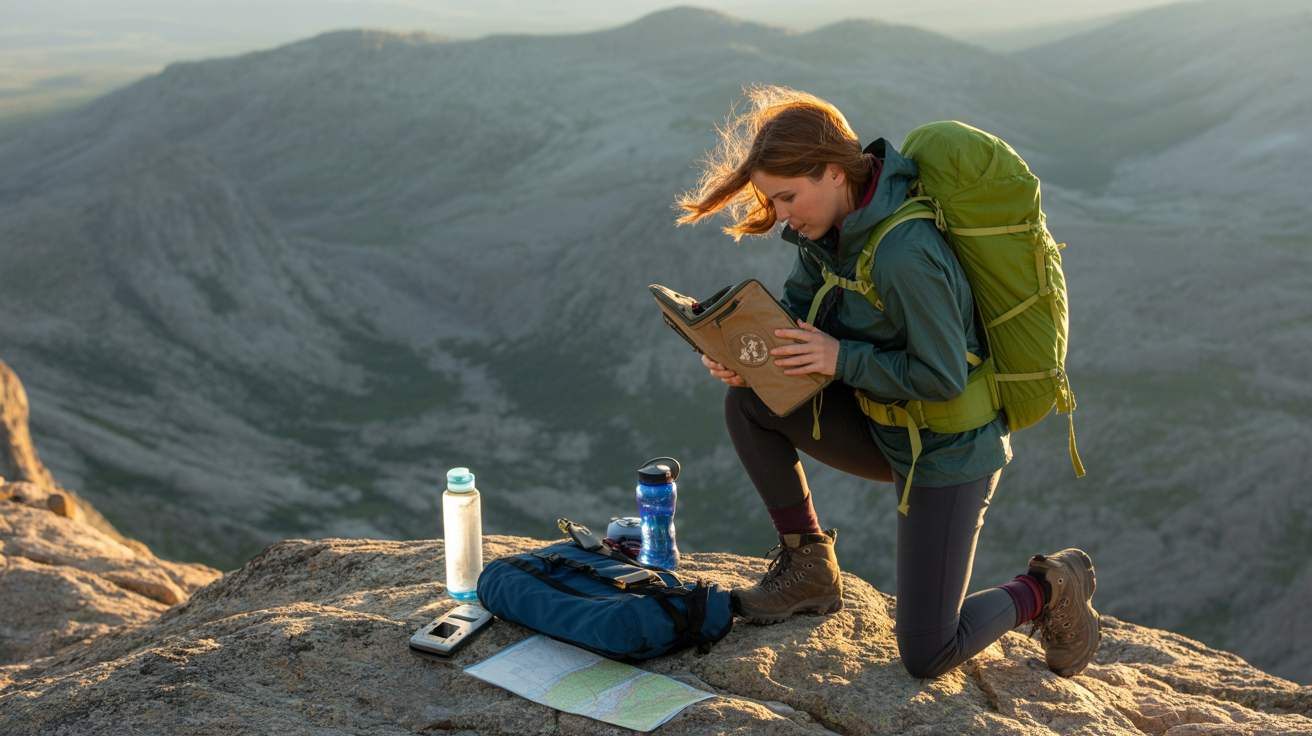
Traveling or working in remote areas carries unique risks. Access to professional medical help is often delayed, and in some cases, unavailable. Knowing how to handle medical emergencies can make the difference between recovery and serious complications. A well-packed trauma kit and first aid kit are essential, along with clear knowledge of their use. This guide explains how to stay prepared for medical emergencies in remote areas with direct, clear, and practical steps.
Understanding Medical Emergencies in Remote Areas
Medical emergencies are sudden health problems that require quick response. In remote areas, these situations are more dangerous because professional care is not close. People may face longer wait times for ambulances or evacuation. Conditions such as severe injuries, dehydration, infections, or allergic reactions become harder to manage.
Common Types of Emergencies
- Severe bleeding from cuts or accidents
- Broken bones or sprains from falls
- Heatstroke, hypothermia, or dehydration
- Allergic reactions, such as from insect bites
- Heart problems like chest pain or cardiac arrest
- Severe infections or food poisoning
Why Preparation Matters
Preparedness reduces risk and improves survival. Carrying a trauma kit or first aid kit means you have tools ready for bleeding control, wound cleaning, or breathing support. Quick actions before professional help arrives can prevent conditions from becoming life-threatening.
The Role of a Trauma Kit
A trauma kit is a compact set of tools for handling major injuries. Unlike a general first aid kit, it focuses on life-threatening conditions such as bleeding or airway problems. Anyone who spends time in remote areas should know what a trauma kit includes and how to use it.
Items to Include in a Trauma Kit
- Tourniquet for heavy bleeding
- Hemostatic gauze for clotting
- Pressure bandages
- Chest seals for lung injuries
- Trauma shears to cut clothing
- Gloves for protection
- Emergency blanket for shock
Using a Trauma Kit Safely
Each item serves a direct purpose. A tourniquet can stop severe limb bleeding, but it must be applied correctly. Chest seals prevent air from entering chest wounds. Training is important because misuse can create further harm. Simple instruction courses are widely available and give practical skills.
The Importance of a First Aid Kit
A well-prepared first aid kit is essential for handling minor to moderate injuries, cuts, burns, or sprains, especially in outdoor or remote environments. While it is not a substitute for a trauma kit, a properly stocked first aid kit plays a crucial role in stabilizing a situation and providing immediate care until advanced help is available. People should choose supplies based on their environment, level of risk, and activity type, ensuring that the kit is compact, durable, and easy to access when needed.
For those prioritizing safety and efficiency in critical moments, FlareSyn offers advanced gear and dependable medical essentials designed to meet real-world challenges. Their solutions go beyond basic first aid by focusing on durability, portability, and high-performance materials that help responders act quickly in emergencies. Investing in equipment backed by expertise and field testing ensures individuals and organizations are better prepared for any unexpected medical situation, no matter where they are.
Essential Items in a First Aid Kit
- Adhesive bandages for cuts and blisters
- Antiseptic wipes for cleaning wounds
- Medical tape and gauze
- Pain relievers such as ibuprofen
- Tweezers for removing splinters or ticks
- Scissors
- Antihistamines for allergic reactions
- Oral rehydration salts
- Thermometer
Customizing the Kit
Remote areas have unique hazards. A desert trip requires more oral rehydration salts and sunburn care. A mountain trek demands blister treatment and altitude medication. Personal health needs also matter. People with asthma, diabetes, or allergies should pack their medicines in clearly marked containers.
Training and Knowledge
Carrying medical kits without knowledge limits their value. Training ensures you use items correctly and react quickly. Basic first aid and trauma training teach people how to stop bleeding, treat burns, and stabilize fractures.
Skills Everyone Should Learn
- CPR and chest compressions
- Use of a tourniquet and pressure dressings
- Clearing blocked airways
- Stabilizing broken bones
- Recognizing heatstroke, dehydration, or hypothermia
- Safe handling of bites and stings
Continuous Practice
Skills fade without practice. Reviewing steps every few months keeps the response sharp. Some organizations provide practice sessions with realistic scenarios.
Communication in Remote Areas
Medical emergencies require quick communication with rescue teams. Remote areas often lack mobile signals, so carrying backup devices is important.
Tools for Communication
- Satellite phones
- Personal locator beacons (PLBs)
- Two-way radios
- GPS devices with emergency messaging
Sharing Your Plan
Before leaving, inform someone about your route and return time. This improves the chances of rescue if you cannot call for help.
Planning for Specific Conditions
Every remote area has risks tied to climate, wildlife, and terrain. Planning reduces surprise and increases safety.
Hot and Dry Areas
- Carry extra water and oral rehydration salts
- Watch for signs of heatstroke: confusion, dizziness, nausea
- Keep sun protection such as hats and sunscreen
Cold and Mountain Areas
- Pack thermal blankets and layers of clothing
- Learn signs of hypothermia and frostbite
- Carry high-energy snacks
Forests and Insect Zones
- Use insect repellent
- Carry antihistamines and epinephrine if allergic
- Check skin for ticks after walking
Mental Readiness
Emergencies create stress and fear. Staying calm improves decision-making. A clear mind helps you remember training steps and use tools correctly.
Ways to Build Mental Readiness
- Practice scenarios during training
- Keep instructions with your kits
- Breathe slowly to reduce panic during an emergency
Maintaining Your Kits
A trauma kit or first aid kit must be checked often. Supplies can expire or get damaged in heat, cold, or humidity.
Steps for Maintenance
- Review contents every three months
- Replace expired medicines and bandages
- Pack items in waterproof bags
- Keep kits in easy-to-reach spots
Final Thoughts
Medical emergencies in remote areas demand preparation. A trauma kit handles major injuries, while a first aid kit manages smaller but still important issues. Training ensures you use both kits correctly. Reliable communication tools connect you to help when local services are far away. Planning for the specific environment reduces risks and saves time. With knowledge, practice, and the right equipment, people can stay prepared for medical emergencies and protect themselves and others in remote areas.
 Life Spectrum