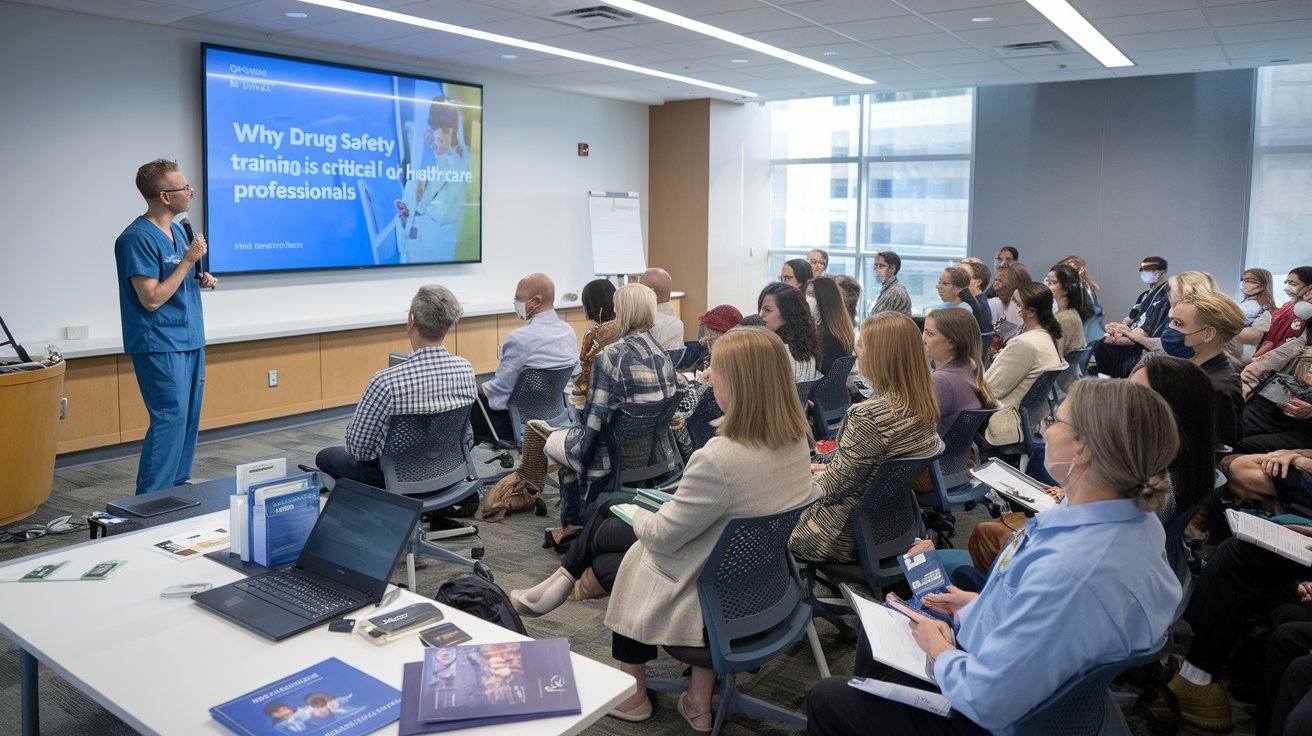
In the healthcare sector, ensuring patient safety is paramount. With the increasing complexity of medical treatments and the introduction of new pharmaceuticals, the role of healthcare professionals in monitoring and managing drug safety has become more crucial than ever. Drug safety training equips these professionals with the knowledge and skills needed to identify, assess, and mitigate risks associated with medications.
This article delves into the importance of drug safety training, its impact on healthcare delivery, and how it shapes the future of patient care.
1. Understanding Drug Safety and Its Importance
What Is Drug Safety?
Drug safety, also known as pharmacovigilance, involves monitoring the effects of medications to ensure that their benefits outweigh any risks. It encompasses identifying adverse drug reactions (ADRs), reporting them appropriately, and implementing measures to prevent harm.
Healthcare professionals play a pivotal role in this process by being the first point of contact for patients experiencing medication-related issues.
Why Is Drug Safety Training Essential?
Without proper training, healthcare professionals may miss subtle signs of adverse drug reactions (ADRs) or fail to report them accurately. These oversights can lead to severe consequences for patient health, including prolonged illness, complications, or even fatalities. Moreover, healthcare institutions risk regulatory penalties and reputational damage if ADRs are not managed effectively. Comprehensive education in drug safety is crucial to ensuring that healthcare professionals can identify, manage, and report ADRs responsibly.
One excellent way to gain this expertise is through the Drug Safety Certificate by Med Tech Talents. This certification program provides healthcare professionals with the knowledge and tools required to enhance patient safety and meet regulatory standards. The curriculum emphasizes real-world case studies, reporting protocols, and the latest advancements in pharmacovigilance. By completing the program, professionals are better prepared to recognize early warning signs of ADRs and implement preventive measures effectively.
Drug safety training, like the one offered by Med Tech Talents, not only improves individual competency but also elevates the standard of care across entire institutions. As the healthcare landscape evolves, staying updated with the latest training programs is essential to safeguarding patients and maintaining compliance with strict regulatory frameworks.
2. Key Components of Drug Safety Training
Recognizing Adverse Drug Reactions (ADRs)
Training programs teach healthcare professionals how to identify ADRs and differentiate them from other medical conditions. This skill is critical for early detection and intervention.
For example, recognizing the signs of an allergic reaction to a drug can prevent a minor issue from escalating into a life-threatening situation.
Understanding Reporting Protocols
Accurate and timely reporting of ADRs is vital for monitoring the safety of pharmaceuticals. Drug safety training familiarizes professionals with national and international reporting systems, such as the FDA’s MedWatch program or the WHO’s Uppsala Monitoring Centre.
By adhering to these protocols, healthcare professionals contribute to the global effort to improve medication safety.
3. Benefits of Drug Safety Training for Healthcare Professionals
Improved Patient Outcomes
Training ensures that healthcare providers can identify potential drug-related issues early, reducing the risk of complications. This proactive approach leads to better patient outcomes and enhanced trust in the healthcare system.
For instance, a nurse trained in drug safety might notice an unusual side effect in a patient and alert the prescribing physician, preventing further harm.
Enhanced Professional Competence
Drug safety training boosts confidence and competence in managing medication-related risks. Healthcare professionals equipped with this knowledge are better prepared to make informed decisions, ensuring that treatments are both safe and effective.
4. The Role of Drug Safety Training in Modern Healthcare
Promoting a Culture of Safety
By incorporating drug safety training into healthcare education, institutions foster a culture where patient safety is prioritized. This culture encourages professionals to remain vigilant and take appropriate actions when issues arise.
Adaptation to New Medications and Technologies
The pharmaceutical landscape is constantly evolving, with new drugs and treatment modalities entering the market. Drug safety training helps professionals stay updated on the latest developments and understand how to manage emerging risks.
5. Challenges in Implementing Drug Safety Training
Lack of Awareness
Many healthcare professionals are unaware of the importance of drug safety training or assume that their existing knowledge is sufficient. Raising awareness about its benefits is a critical first step.
Resource Limitations
Some healthcare institutions may lack the resources to implement comprehensive drug safety training programs. Collaborating with external organizations or utilizing online platforms can help overcome this challenge.
6. How to Access Drug Safety Training
Professional Development Programs
Many organizations, such as the International Society of Pharmacovigilance (ISoP) and the Drug Safety Research Unit (DSRU), offer specialized training programs for healthcare professionals.
On-the-Job Training
Pharmaceutical companies and healthcare institutions often provide in-house training sessions to ensure that their staff is well-versed in drug safety practices.
Conclusion
Drug safety training is not just a necessity; it is a cornerstone of modern healthcare. By equipping professionals with the skills to recognize, report, and manage medication risks, these programs safeguard patient wellbeing and improve the overall quality of care.
As the healthcare landscape continues to evolve, the importance of drug safety training will only grow. Investing in this area ensures that healthcare professionals are prepared to meet the challenges of tomorrow while prioritizing the safety of every patient they serve.







 Life Spectrum