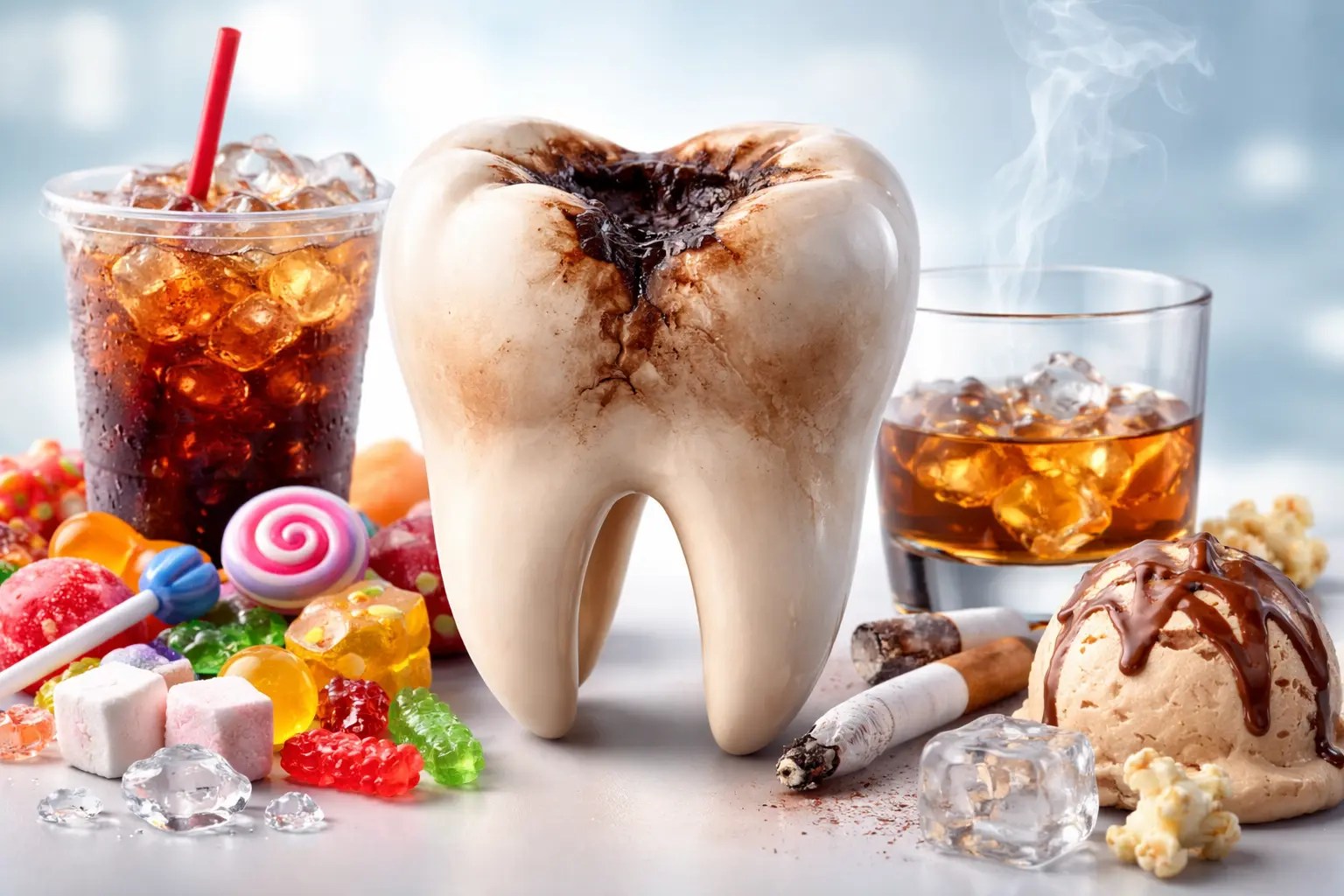
Tooth damage affects many St Leonards residents each year. People of all ages experience enamel wear, cracks, chips, decay, and gum problems. Tooth Damage St Leonards Residents face often results from daily habits, diet choices, and limited dental care. Local lifestyle patterns in Australia also influence oral health outcomes. This article explains the Causes Tooth Damage in clear terms.
Poor Oral Hygiene Habits
Poor oral hygiene remains a leading cause of tooth damage. Many people brush once a day instead of twice. Some residents use incorrect brushing techniques that harm enamel. Aggressive brushing wears down the outer layer of teeth. Infrequent flossing allows plaque to build between teeth. Plaque produces acid that attacks enamel and leads to decay.
When plaque remains on teeth, it hardens into tartar. Tartar irritates the gums and causes inflammation. Gum inflammation can progress to periodontal disease. Periodontal disease weakens tooth support and may cause tooth loss. Regular dental care reduces these risks. Dentists in Australia recommend brushing twice daily with fluoride toothpaste and flossing once a day.
High Sugar and Acidic Diets
Diet plays a direct role in tooth damage. Many St Leonards residents consume sugary drinks and processed snacks as part of their daily routine. Soft drinks, sports drinks, and fruit juices contain high levels of sugar. Bacteria in the mouth feed on this sugar and produce acid, which weakens enamel and leads to cavities. When decay progresses, a Dentist St Leonards patients rely on will often see patterns linked to frequent sugar exposure and poor dietary habits.
Acidic foods also contribute to enamel erosion. Citrus fruits, vinegar-based meals, and carbonated beverages lower the mouth’s pH level. Frequent exposure prevents enamel from naturally repairing itself. Over time, enamel erosion causes tooth sensitivity and structural weakness. Residents who sip sugary drinks throughout the day face a higher risk because continuous exposure extends acid attacks. Dental professionals across Australia recommend limiting sugary intake, avoiding constant snacking, and rinsing the mouth with water after consuming acidic foods to help protect long-term oral health.
Teeth Grinding and Jaw Clenching
Teeth grinding, also known as bruxism, causes significant tooth damage. Many people grind their teeth during sleep. Stress often triggers jaw clenching. Continuous grinding places pressure on enamel and dentine.
Grinding creates flat tooth surfaces and small cracks. Over time, cracks deepen and weaken the tooth structure. Severe grinding may expose the inner pulp. Exposed pulp causes pain and increases infection risk.
Dentists in St Leonards often provide night guards to protect teeth. A custom mouthguard reduces pressure and prevents further wear. Stress management techniques also help reduce bruxism episodes.
Physical Trauma and Accidents
Physical injury causes sudden tooth damage. Sports injuries, falls, and car accidents often result in chipped or broken teeth. Children and teenagers face higher risks during outdoor activities. Adults also experience dental trauma during contact sports.
A cracked tooth may not show immediate pain. However, internal damage can develop later. Untreated trauma may lead to infection or tooth loss. Immediate dental care improves the chance of saving the tooth.
Residents in Australia often use mouthguards during sports to prevent injury. Protective gear reduces the impact force on teeth and jaw structures.
Smoking and Tobacco Use
Smoking harms both teeth and gums. Tobacco stains enamel and causes discolouration. Smoking also reduces blood flow to gum tissue. Reduced blood flow slows healing and increases infection risk.
Smokers face higher rates of gum disease. Gum disease damages the bone that supports teeth. Tooth mobility and loss often follow advanced cases. Tobacco use also contributes to dry mouth. Dry mouth limits saliva production. Saliva protects teeth by neutralising acid.
Quitting smoking improves oral health outcomes. Dental care providers in St Leonards support patients with cessation advice and regular check-ups.
Dry Mouth and Reduced Saliva
Saliva protects teeth from decay. It washes away food particles and neutralises acid. Some St Leonards residents experience dry mouth due to medication or medical conditions. Certain antidepressants and blood pressure medications reduce saliva flow.
Dry mouth increases the risk of cavities and enamel erosion. Without enough saliva, bacteria multiply rapidly. Night-time dryness worsens the effect because saliva production drops during sleep.
Dentists recommend drinking water frequently and using saliva substitutes if needed. Sugar-free gum can also stimulate saliva production.
Poorly Fitted Dental Restorations
Dental restorations require correct placement. Poorly fitted crowns, fillings, or bridges create gaps. Food and bacteria collect in these gaps. Bacterial growth leads to decay beneath restorations.
Old fillings may crack or leak over time. Leakage allows bacteria to enter the inner tooth structure. Early replacement prevents further damage. Regular dental care appointments allow dentists to check existing restorations.
St Leonards residents who delay follow-up visits increase their risk of hidden decay. Routine examinations support early detection and treatment.
Age-Related Wear and Tear
Age influences tooth condition. Enamel naturally thins over time. Older adults may experience receding gums. Gum recession exposes root surfaces. Root surfaces lack strong enamel protection and decay more easily.
Long-term habits also accumulate damage. Years of acidic diet, grinding, or smoking increase wear. Seniors in Australia often require specialised dental care to maintain oral health.
Preventive treatments such as fluoride applications strengthen weakened enamel. Dentists may also recommend desensitising toothpaste for exposed roots.
Medical Conditions That Affect Oral Health
Certain medical conditions increase the Causes Tooth Damage in residents. Diabetes affects gum health and increases infection risk. Acid reflux exposes teeth to stomach acid. Frequent exposure erodes enamel quickly.
Eating disorders also contribute to enamel erosion due to repeated acid contact. Some autoimmune conditions reduce saliva flow. Reduced saliva heightens cavity risk.
Patients should inform their dentist about medical history. Integrated dental care improves prevention and management plans.
Infrequent Dental Visits
Regular check-ups play a key role in prevention. Some residents delay dental appointments due to cost or fear. Delayed visits allow small issues to grow into serious problems.
Dentists detect early cavities before pain begins. Early treatment saves tooth structure and reduces expense. Professional cleaning removes plaque and tartar that brushing cannot remove.
In Australia, routine dental care supports long-term oral stability. Preventive visits usually occur every six months, depending on patient needs.
Environmental and Lifestyle Factors in Australia
Lifestyle patterns in Australia influence oral health. Busy work schedules often reduce time for oral hygiene. High consumption of takeaway food increases sugar exposure. Coffee culture also increases acid contact.
Fluoridated water in many Australian regions helps reduce decay. However, fluoride alone does not prevent damage without proper hygiene. Climate conditions may also affect hydration levels. Dehydration contributes to dry mouth and increases decay risk.
Community awareness programs in St Leonards promote preventive dental care. Education helps residents understand the Causes Tooth Damage and how to reduce risk.
Prevention Strategies for St Leonards Residents
Prevention requires consistent daily action. Residents should brush twice daily with fluoride toothpaste. People should floss once daily to remove plaque between teeth. Limiting sugar intake reduces acid production.
Using a soft-bristled toothbrush protects enamel. Drinking water after meals helps neutralise acid. Wearing a mouthguard during sports prevents trauma. Stress reduction techniques lower grinding frequency.
Routine dental care appointments allow early diagnosis. Dentists may apply fluoride treatments or sealants when needed. Early intervention reduces long-term complications.
Conclusion
Tooth Damage St Leonards Residents experience often results from preventable factors. Poor hygiene, high sugar diets, grinding, trauma, smoking, and dry mouth all contribute to enamel breakdown and gum disease. Medical conditions and ageing also increase risk. Regular dental care in Australia supports prevention and early treatment.
Clear habits protect teeth over time. Consistent brushing, flossing, balanced diet, and routine check-ups reduce the Causes Tooth Damage. Residents who act early maintain stronger teeth and healthier gums for many years.
 Life Spectrum