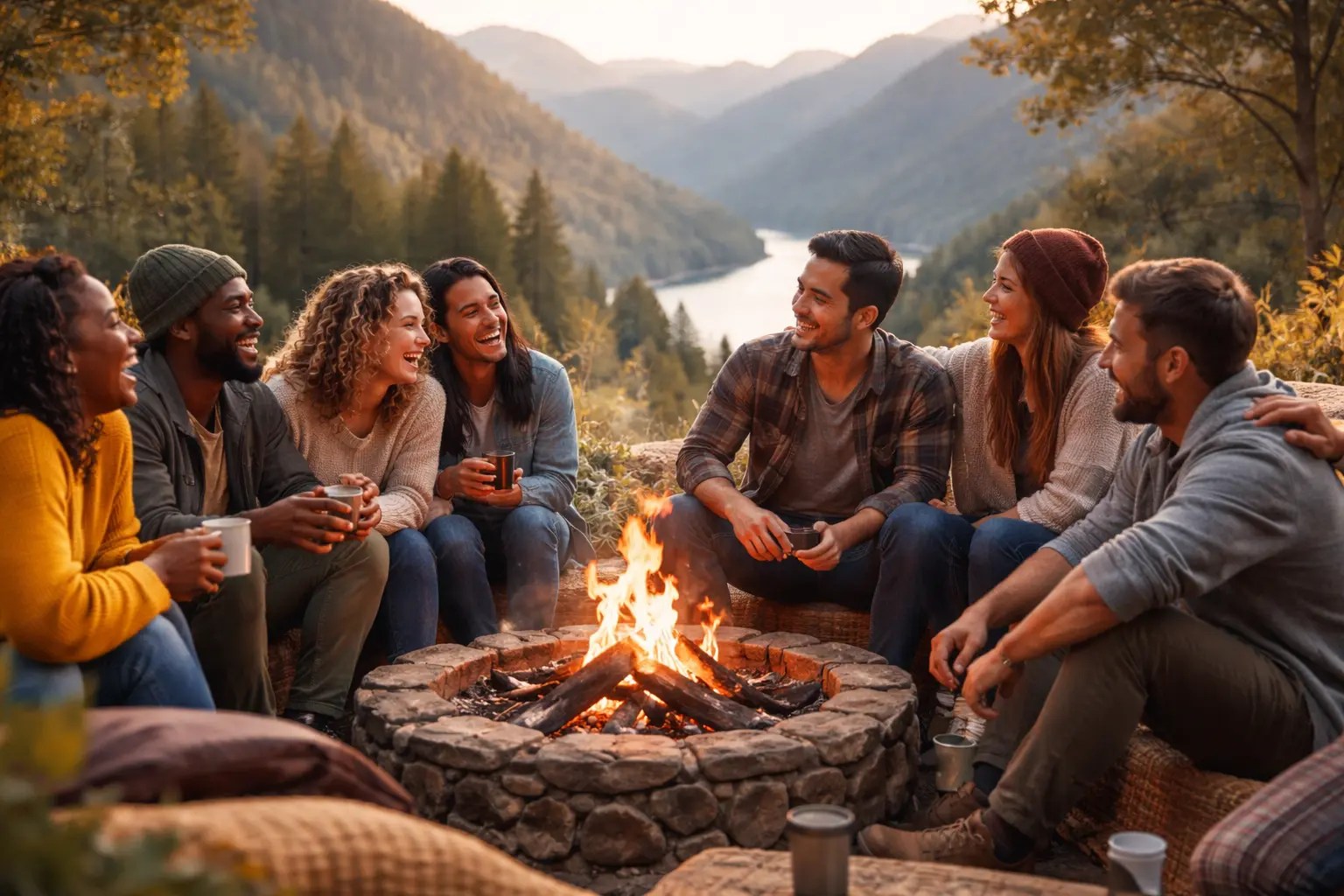
Human connection shapes mental health, emotional stability, and social growth. People build stronger bonds when they share time, space, and meaningful activity. Retreats strengthen connection by placing individuals in focused environments where distractions stay limited. Participants step away from daily routines and give attention to shared goals. This shared focus builds trust and empathy.
Many people live busy lives. Work, social media, and family duties divide attention. Retreats create structured time for interaction. Organizers design schedules that encourage discussion, collaboration, and reflection. These activities strengthen connection because participants engage directly with one another. Shared experiences increase understanding and reduce social distance.
Retreats strengthen connection through active participation. People speak, listen, and respond in real time. This direct exchange builds emotional awareness. It also builds group unity. When individuals invest time in collective activity, they form deeper bonds.
How Retreats Strengthen Through Shared Purpose
Retreats strengthen groups by creating a shared purpose. Organizers define clear goals before the event begins. These goals may focus on wellness, faith, leadership, creativity, or team growth. Participants understand the objective and commit to it together.
A shared purpose builds alignment. People move in the same direction. This alignment reduces conflict and increases cooperation. When a group works toward one outcome, members depend on each other. This dependence strengthens connection.
For example, a leadership retreat may assign group problem-solving tasks. Each participant contributes ideas. The group discusses options and chooses solutions. This process builds trust because each person feels heard. Retreats strengthen communication skills through repeated dialogue.
Shared purpose also builds accountability. Participants support one another. They encourage progress and celebrate milestones. This positive feedback loop strengthens bonds.
Retreats Strengthen Communication Skills
Communication forms the foundation of strong relationships. Retreats strengthen communication by encouraging open discussion. Many retreats include group circles, workshops, and guided conversations. These formats promote active listening and clear expression.
Participants often share personal stories during retreats. Story sharing builds empathy and creates space for honest reflection. When one person speaks, others listen without interruption. This structure fosters respect and strengthens emotional safety within the group. At the Center for Thriving Relationships, couples find guided support that helps them practice this level of intentional listening and emotional awareness in a focused retreat setting.
Retreats strengthen connection because they reduce digital distraction. Participants limit phone use and social media activity, which increases face-to-face interaction. Eye contact, tone, and body language improve understanding and help partners respond with care. Clear communication reduces misunderstanding. When participants practice honest dialogue, they build stronger trust. Retreats strengthen relationships because they create space for real conversation, deeper connection, and renewed commitment.
Retreats Strengthen Emotional Awareness
Emotional awareness improves relationship quality. Retreats strengthen emotional awareness by providing guided reflection. Many retreats include journaling, meditation, or group feedback sessions. These activities help participants recognize feelings and express them clearly.
When individuals identify emotions, they respond with intention. This awareness reduces reactive behavior. It also improves conflict resolution. Retreats strengthen connection because emotionally aware individuals communicate with clarity and respect.
Shared reflection deepens group understanding. Participants learn about each other’s values, fears, and goals. This learning builds empathy. Empathy strengthens bonds because it creates mutual respect.
Emotional awareness also increases patience. Participants observe different perspectives. They respond with understanding instead of judgment. Retreats strengthen group harmony through this practice.
Wellness Retreats and Group Bonding
Wellness retreats focus on physical and mental health. These events often include yoga, meditation, nature walks, and nutrition workshops. Retreats strengthen connection by encouraging participants to support each other’s growth.
Group yoga sessions require synchronized movement. Participants breathe and move together. This rhythm builds unity. Meditation sessions create shared silence. This quiet space strengthens group calm and focus.
Nature activities also strengthen connection. Hiking or outdoor exploration requires cooperation. Participants help each other and share observations. These moments build teamwork.
Wellness retreats strengthen emotional balance. When individuals feel relaxed, they communicate more openly. Reduced stress improves patience and empathy. Retreats strengthen bonds by improving overall well-being.
Corporate Retreats Strengthen Team Performance
Companies use retreats to improve teamwork and morale. Corporate retreats strengthen collaboration through structured activities. These activities often include workshops, trust exercises, and strategy sessions.
Team challenges require problem-solving and coordination. Employees rely on each other to complete tasks. This reliance builds confidence in teammates. Retreats strengthen workplace relationships through shared achievement.
Workshops encourage honest discussion about goals and challenges. Employees express ideas and feedback in a supportive setting. This openness improves trust between staff and leadership.
Corporate retreats strengthen productivity after the event ends. Employees return to work with clearer communication and stronger bonds. Shared retreat experiences create lasting memories that reinforce teamwork.
Faith-Based Retreats Strengthen Spiritual Connection
Faith-based retreats focus on shared belief and reflection. These gatherings often include prayer, study sessions, and group worship. Retreats strengthen spiritual unity through collective practice.
Group prayer builds emotional closeness. Participants express gratitude and concern together. This shared expression strengthens mutual support.
Discussion sessions allow participants to explore belief and personal growth. These conversations deepen understanding within the group. Retreats strengthen trust when members share faith experiences.
Faith-based retreats often include service activities. Participants work together to help others. Service builds shared purpose and strengthens connection through action.
Retreat Structure Encourages Lasting Bonds
Retreats strengthen relationships because they follow intentional structure. Organizers design schedules that balance activity and reflection. This structure keeps participants engaged without overwhelm.
Icebreaker activities begin the bonding process. Small group discussions deepen connection. Shared meals provide informal interaction. Each element supports relationship growth.
Extended time together increases familiarity. When participants spend multiple days in shared space, they build comfort and trust. Retreats strengthen connection because time allows relationships to grow naturally.
Follow-up activities after the retreat maintain bonds. Many groups create online forums or schedule future meetings. These actions extend the connection beyond the event.
Psychological Factors Behind Shared Experiences
Shared experiences create strong memory patterns. The brain links emotion with group activity. Positive group events build strong associations. These associations increase feelings of belonging.
Retreats strengthen connection because shared challenges create unity. When participants solve problems together, they build resilience. Success builds pride. Overcoming difficulty builds mutual respect.
Social identity also plays a role. Participants see themselves as members of a group. This shared identity strengthens loyalty and trust. Retreats strengthen community through this collective identity.
Consistent positive interaction builds habit. When individuals interact with respect and openness, they repeat that behavior. Retreats strengthen long-term relationships through repeated positive exchange.
Retreats Strengthen Families and Friendships
Families and friends benefit from shared time away from routine. Retreats strengthen relationships by removing daily stress. Without work pressure or household tasks, participants focus on each other.
Family retreats often include group games, discussions, and outdoor activities. These events encourage teamwork and laughter. Shared enjoyment builds emotional closeness.
Friends who attend retreats together often deepen trust. Honest conversations strengthen emotional bonds. Retreats strengthen connection by creating safe space for expression.
Parents and children also benefit from structured dialogue. Guided exercises help family members express needs and expectations. This communication strengthens understanding.
Long-Term Impact of Retreat Participation
Retreats strengthen connection beyond the event itself. Participants often maintain friendships formed during the retreat. Shared memories create strong relational anchors.
People apply communication skills learned at retreats in daily life. Improved listening and empathy support stronger relationships at home and work. Retreats strengthen social networks through these improved skills.
Retreats also increase confidence. When individuals feel valued within a group, they carry that confidence forward. Stronger self-esteem supports healthier relationships.
Communities that host regular retreats build stable support systems. Members return each year and reconnect. Retreats strengthen long-term community structure through repeated gathering.
Conclusion: Why Retreats Strengthen Connection Through Shared Experiences
Retreats strengthen connection by creating focused time, shared purpose, and structured interaction. Participants communicate openly and reflect together. These shared experiences build trust, empathy, and cooperation.
Retreats strengthen emotional awareness and reduce distraction. They encourage honest dialogue and group support. Whether for wellness, business, faith, family, or friendship, retreats strengthen relationships through collective engagement.
Shared activity builds memory and unity. Positive group experience creates lasting bonds. Retreats strengthen community because people invest time and attention in one another.
Strong relationships require intention and shared effort. Retreats provide both. Through guided activities and meaningful interaction, retreats strengthen connection in clear and lasting ways.
 Life Spectrum