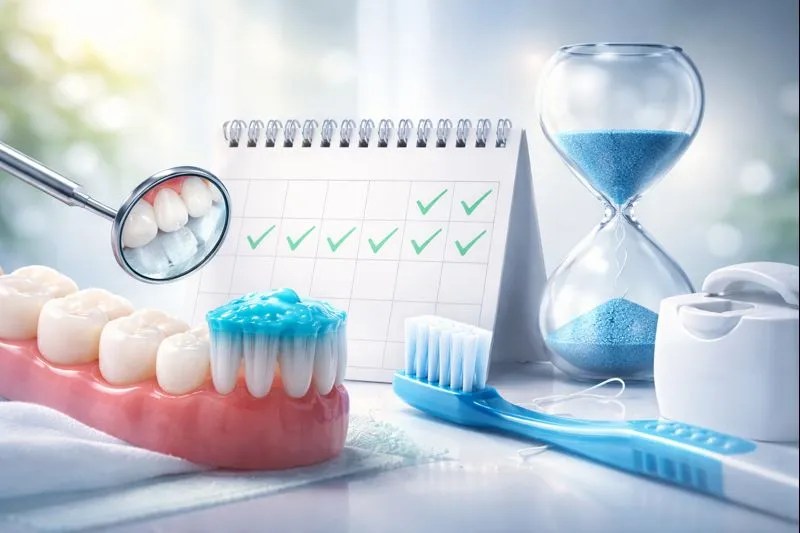
Long-Term Dental Care plays a key role in oral health. Dental care requires regular action and clear habits. Many people visit a dentist only when pain starts. This pattern leads to higher risk, more cost, and lower oral health quality. Consistency helps prevent disease, keeps teeth strong, and supports overall health. This article explains why steady dental care matters and how to maintain it over time.
Understanding Long-Term Dental Care
Long-Term Dental Care means regular dental visits, daily hygiene, and healthy lifestyle choices. This approach focuses on prevention and early treatment. People who follow consistent dental care avoid many serious issues. These include cavities, gum disease, tooth loss, and infections.
Dental care works best when people treat it as a routine. Brushing, flossing, and dental visits should happen on schedule. Skipping these steps causes plaque buildup and bacterial growth. Over time, these bacteria damage teeth and gums.
The Role of Daily Habits in Dental Care
Daily habits form the base of dental care. Brushing twice a day removes plaque and food particles. Flossing once a day cleans between teeth where brushes cannot reach. Using mouthwash helps reduce bacteria and freshens breath.
Diet also affects dental health. Sugary foods and drinks feed bacteria. Acidic drinks weaken enamel. Water, dairy, fruits, and vegetables support healthy teeth. Chewing sugar-free gum can increase saliva flow, which helps clean the mouth.
Consistency in these habits prevents small problems from turning into serious issues. A missed day may not cause harm, but repeated neglect leads to damage.
Regular Dental Visits and Their Importance
Dental visits play a key role in long-term dental care because they help identify oral health issues before they become serious. At Parramatta Green Dental, Dr. Nazila Nosratieh and her experienced team deliver high-quality care, making it a trusted choice for patients searching for a dental clinic Parramatta that focuses on prevention and patient comfort. Dentists can detect problems early, while professional cleaning removes tartar that brushing cannot eliminate. X-rays also help reveal hidden issues such as decay under fillings or bone loss.
Most dentists recommend check-ups every six months, although some individuals may need more frequent visits due to higher risk factors such as smoking, diabetes, or a history of gum disease. Regular dental appointments support stable oral health and reduce the likelihood of emergency dental visits.
Prevention Over Treatment
Preventive dental care costs less and causes less discomfort. A small cavity is easy to treat with a filling. If ignored, it can lead to root canal treatment or extraction. Gum inflammation can be reversed with cleaning and better hygiene. Untreated gum disease can cause bone loss and tooth loss.
Long-Term Dental Care focuses on early action. Preventive measures include sealants, fluoride treatments, and professional advice. These steps protect teeth and reduce the need for complex procedures.
Dental Care and General Health
Dental health links to overall health. Bacteria from gum disease can enter the bloodstream. This can affect the heart, lungs, and other organs. Studies show links between gum disease and conditions such as heart disease, diabetes, and pregnancy complications.
Consistent dental care reduces inflammation and infection. This supports the immune system and lowers health risks. People with chronic conditions benefit even more from steady dental routines.
The Impact of Consistency on Children and Teens
Children and teens need consistent dental care to build strong habits. Baby teeth guide adult teeth into correct positions. Decay in baby teeth can affect adult teeth and speech development. Regular dental visits help monitor growth and alignment.
Parents should teach children to brush and floss early. Fluoride toothpaste and dental sealants protect young teeth. Consistent habits in childhood often continue into adulthood, which leads to better oral health over a lifetime.
Ageing and Long-Term Dental Care
Ageing changes oral health needs. Gums may recede, and enamel may wear down. Older adults may have dry mouth due to medications. Dry mouth increases cavity risk. Dentures and implants also need regular care.
Long-Term Dental Care helps older adults keep natural teeth for longer. Regular check-ups allow dentists to adjust care plans and detect issues early. Good dental care improves nutrition, speech, and quality of life in older age.
Financial Benefits of Consistent Dental Care
Consistent dental care saves money over time. Preventive visits and cleanings cost less than major treatments. Emergency dental visits often cost more and require urgent care.
Insurance plans often cover preventive care fully or partially. People who attend regular visits use insurance benefits better. Long-Term Dental Care reduces the chance of expensive procedures such as crowns, implants, and surgeries.
Psychological and Social Benefits
Healthy teeth support confidence and social interaction. People with clean and healthy smiles often feel better in social and professional settings. Bad breath, missing teeth, or visible decay can affect self-esteem.
Consistent dental care improves appearance and comfort. It reduces pain, sensitivity, and discomfort. This supports mental well-being and daily function.
Common Barriers to Consistent Dental Care
Many people face barriers to dental care. These include cost, fear, lack of time, and lack of awareness. Some people avoid dentists due to past negative experiences. Others underestimate the importance of routine care.
Education and access help overcome these barriers. Dental clinics can offer flexible schedules and payment plans. Public health campaigns can increase awareness of Long-Term Dental Care benefits.
Building a Sustainable Dental Care Routine
A sustainable routine requires planning and discipline. People should set reminders for brushing, flossing, and dental visits. Keeping dental supplies visible can help maintain habits. Family members can support each other in daily routines.
Tracking habits in a journal or app can increase consistency. Small rewards can motivate children and adults. Consistency becomes easier when dental care becomes part of daily life.
The Role of Dental Professionals
Dental professionals guide patients in Long-Term Dental Care. Dentists, hygienists, and assistants provide education, treatment, and preventive services. They tailor advice based on individual risk factors.
Clear communication between patient and dentist supports better outcomes. Patients should share concerns, habits, and health conditions. This helps dentists create effective care plans.
Technology and Long-Term Dental Care
Technology supports consistent dental care. Electric toothbrushes improve plaque removal. Apps remind users to brush and floss. Digital records help track dental history and treatment plans.
Tele-dentistry allows remote consultations and advice. This improves access for people in remote areas. Technology supports better monitoring and education.
Diet and Lifestyle Factors
Lifestyle choices affect dental health. Smoking increases risk of gum disease and oral cancer. Alcohol can dry the mouth and increase decay risk. Stress can lead to teeth grinding and jaw problems.
Healthy diet and lifestyle choices support Long-Term Dental Care. Drinking water, limiting sugar, and avoiding tobacco protect oral health. Wearing mouthguards during sports prevents dental injuries.
The Role of Community and Public Health
Community programs promote dental care awareness. School-based programs provide screenings and fluoride treatments. Public health policies improve access to dental services.
Consistent dental care at a population level reduces healthcare costs and improves quality of life. Education campaigns can change attitudes and behaviours related to dental health.
Measuring Success in Long-Term Dental Care
Success in Long-Term Dental Care includes fewer cavities, healthy gums, and stable teeth. Regular check-ups show progress and detect early issues. Patients can track improvements in comfort, appearance, and function.
Dentists use clinical measures such as plaque scores, gum health, and X-rays. Patients can observe reduced bleeding, fresh breath, and less sensitivity.
Practical Tips for Maintaining Consistency
People can follow simple steps to maintain dental care:
- Brush twice daily with fluoride toothpaste.
- Floss daily to remove plaque between teeth.
- Use mouthwash if recommended by a dentist.
- Limit sugary and acidic foods and drinks.
- Drink water throughout the day.
- Visit the dentist every six months or as advised.
- Replace toothbrushes every three months.
- Use reminders or apps to maintain routines.
These steps support Long-Term Dental Care and reduce risk.
Long-Term Outcomes of Consistent Dental Care
Consistent dental care leads to fewer dental problems, lower costs, and better health. People retain natural teeth longer and avoid pain and infections. Good oral health supports nutrition, speech, and social interaction.
Long-Term Dental Care also supports general health by reducing systemic inflammation. It contributes to healthy ageing and improved quality of life.
Conclusion
Long-Term Dental Care requires consistency in daily habits and professional visits. Dental care should be a routine part of life, not a reaction to pain. Consistent brushing, flossing, diet control, and dental check-ups prevent disease and protect teeth. Regular dental care supports overall health, confidence, and financial stability. By maintaining consistent dental care, people can achieve strong oral health and long-term well-being.
 Life Spectrum