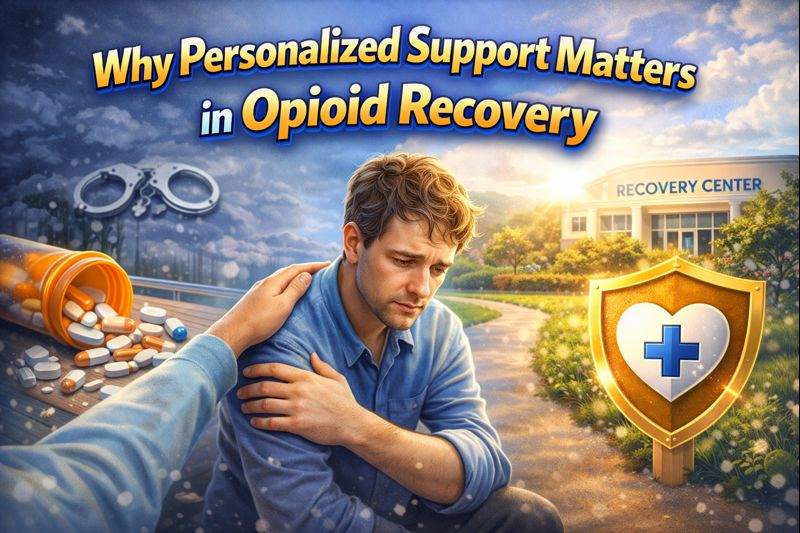
Opioid recovery depends on care that fits the person. Each person has a different history, body response, and support need. Opioid recovery works best when health care teams adjust care to match these needs. Personalized support gives structure, guidance, and consistency during treatment. This approach improves safety, trust, and long-term progress. Health care providers use clear plans, steady contact, and direct goals to help people stay on track. Personalized support also reduces relapse risk by addressing real-life problems that affect recovery.
Understanding Opioid Recovery in Health Care
Opioid recovery is a long-term process. It includes medical care, behavior change, and social support. Health care providers treat opioid use disorder as a chronic condition. This view helps patients receive ongoing care instead of short-term fixes. Personalized support allows providers to adjust treatment based on progress and setbacks. This method respects the fact that recovery does not follow a single pattern.
Health care systems that focus on opioid recovery use clear steps. These steps include assessment, treatment planning, follow-up, and adjustment. Personalized support improves each step. Providers collect patient history, health data, and lifestyle details. They use this data to choose medication, counseling type, and support services. This process helps patients feel seen and understood.
The Role of Personalized Support in Opioid Recovery
Personalized support focuses on the individual. It considers physical health, mental health, and social factors together. This approach creates a structured and realistic path for opioid recovery. Many modern care models, including those used by Cornerstone Healthcare MD, emphasize flexible care planning that adjusts as patient needs change over time. Health care teams review progress regularly and refine treatment steps to maintain stability and long-term engagement.
Personalized support also strengthens trust between patients and providers. People in opioid recovery often experience fear, shame, or uncertainty. Clear communication helps reduce these feelings. Providers explain treatment steps in direct and simple language so patients know what to expect next. This understanding improves confidence, supports adherence to care plans, and encourages patients to remain active participants in their recovery journey.
Individual Assessment and Care Planning
Assessment forms the base of personalized support. Health care providers review medical history, opioid use patterns, and current health. They also assess mental health and daily stress factors. This information shapes the care plan.
A care plan outlines medication use, therapy sessions, and follow-up visits. The plan sets clear goals. These goals focus on safety, stability, and progress. Personalized support allows providers to update the plan based on patient response. This flexibility helps opioid recovery stay on course.
Medication Choices and Personalized Support
Medication plays a key role in opioid recovery. Health care providers choose medication based on patient needs. Some patients need daily medication. Others need long-acting options. Personalized support guides this choice.
Providers monitor side effects and progress. They adjust dosage when needed. This approach improves comfort and reduces risk. Patients who feel stable on medication are more likely to stay in treatment. Personalized support also includes education about medication use. Clear guidance reduces misuse and fear.
Mental Health and Emotional Support in Opioid Recovery
Mental health affects opioid recovery. Anxiety, depression, and trauma often link to opioid use. Personalized support addresses these issues directly. Health care providers screen for mental health conditions during assessment.
Counseling and therapy support emotional stability. Providers choose therapy types based on patient needs. Some patients benefit from one-on-one sessions. Others prefer group settings. Personalized support respects these preferences.
Mental health care also includes coping skills. Patients learn how to manage stress and cravings. This skill-building supports opioid recovery during daily life. Health care teams offer tools that patients can use outside clinical settings.
Trauma-Informed Care and Personalized Support
Many people in opioid recovery have trauma history. Trauma affects trust and behavior. Personalized support uses trauma-informed care. This care avoids triggers and builds safety.
Health care providers use calm language and clear boundaries. They allow patients to share at their own pace. This respect improves engagement. Trauma-informed care supports emotional healing along with opioid recovery.
Social Support Systems and Health Care Coordination
Social factors affect opioid recovery. Housing, employment, and family support influence outcomes. Personalized support includes help with these areas. Health care teams connect patients with community resources.
Coordination between providers improves care. Doctors, counselors, and social workers share information. This teamwork prevents gaps in treatment. Personalized support ensures that each provider understands the care plan.
Family involvement also supports opioid recovery. Health care providers educate families about treatment. This education reduces conflict and confusion. Supportive families help patients maintain progress.
Peer Support and Personalized Recovery Paths
Peer support adds value to opioid recovery. People with lived experience offer understanding and hope. Personalized support includes peer programs when appropriate.
Some patients feel comfortable in peer groups. Others prefer private support. Health care providers respect these choices. Peer support complements medical care and builds connection.
Continuity of Care in Opioid Recovery
Opioid recovery requires steady care over time. Gaps in treatment increase relapse risk. Personalized support focuses on continuity. Health care providers schedule regular check-ins.
Follow-up visits track progress and address problems early. Providers adjust care plans based on these visits. This process keeps treatment relevant and effective.
Transitions between care settings also need support. Patients may move from inpatient to outpatient care. Personalized support guides this shift. Clear plans reduce confusion and stress.
Technology and Personalized Support
Technology supports opioid recovery through reminders and telehealth. Health care providers use secure platforms for check-ins. These tools increase access to care.
Personalized support includes technology that fits patient needs. Some patients prefer phone calls. Others use apps. Providers choose methods that patients can use with ease.
Addressing Relapse Risk with Personalized Support
Relapse is a common part of opioid recovery. Personalized support treats relapse as a signal, not a failure. Health care providers review triggers and stressors.
They update care plans after relapse. This response reduces shame and promotes learning. Patients feel supported during setbacks. This support encourages continued treatment.
Personalized support also includes prevention strategies. Providers teach patients how to spot early warning signs. This knowledge helps patients act before relapse occurs.
Long-Term Planning in Health Care
Opioid recovery continues beyond early treatment. Long-term planning supports lasting change. Personalized support sets goals for months and years ahead.
Health care providers discuss tapering plans, if appropriate. They also plan for ongoing counseling or support groups. This planning keeps patients focused on health and stability.
Cultural and Personal Values in Opioid Recovery
Culture and values affect how people view health care. Personalized support respects these factors. Providers ask about beliefs and preferences.
Language choice matters in opioid recovery. Clear and respectful language builds trust. Health care teams avoid judgment and focus on support.
Personalized support also respects personal goals. Some patients focus on family roles. Others focus on work or education. Care plans reflect these goals.
Measuring Success in Personalized Opioid Recovery
Success in opioid recovery varies by person. Personalized support defines success with the patient. Health care providers use clear markers.
Markers include reduced opioid use, improved health, and stable routines. Emotional well-being also matters. Providers track these factors over time.
This approach avoids one-size goals. Patients feel ownership of their progress. Personalized support strengthens commitment to care.
Challenges in Delivering Personalized Support
Health care systems face limits. Time, staff, and resources affect care delivery. Personalized support requires planning and teamwork.
Training helps providers deliver this care. Health care teams learn how to assess needs and adjust plans. Systems that invest in training see better outcomes.
Despite challenges, personalized support remains key to opioid recovery. It improves engagement and safety.
The Future of Personalized Support in Opioid Recovery
Health care continues to improve opioid recovery methods. Data and research guide better care plans. Personalized support remains central to these efforts.
Future models focus on integration. Medical care, mental health, and social services work together. This integration supports the whole person.
Personalized support also expands access. Telehealth and community programs reach more patients. Health care systems adapt to patient needs.
Conclusion
Opioid recovery works best with care that fits the person. Personalized support addresses medical, emotional, and social needs. Health care providers use assessment, planning, and follow-up to guide treatment. This approach builds trust and reduces relapse risk. Patients feel supported through progress and setbacks. Personalized support strengthens opioid recovery and improves long-term health outcomes.
 Life Spectrum