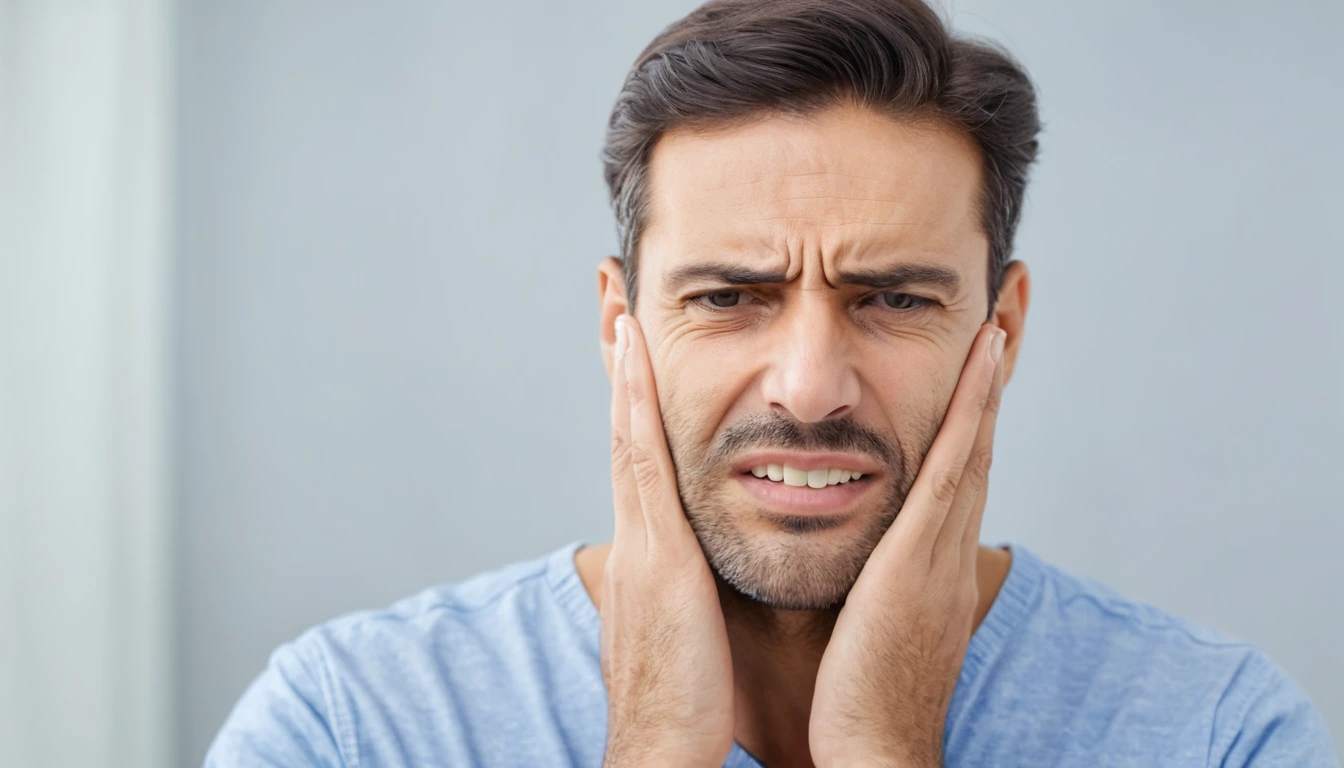
Jaw pain can affect daily life, and many people ignore early signs until the discomfort increases. This pain often links to a dental issue, but some people misunderstand the source. Clear information can help you understand why jaw pain starts, how dental structures influence it, and when you should seek dental care. This article explains the common causes of jaw pain, the dental issue connection, and the signs that show you need a dentist.
How Jaw Structure Connects to Jaw Pain
The jaw works as a joint, muscle, and bone system that controls chewing, speaking, and facial movement. Each part of the jaw depends on proper alignment and pressure balance. When something changes this balance, jaw pain can appear. The upper and lower teeth guide the jaw’s motion. If the teeth shift, break, or lose support, the jaw joint starts to react with strain. This strain causes pain that can spread into the face, ears, neck, and head. A dental issue can interrupt this balance and cause pain even if the discomfort feels mild at first. Some people believe jaw pain starts from stress or sleep habits, which can be true, but dental factors remain a major cause and require clear attention.
The Link Between Dental Issue and Jaw Pain
A dental issue can cause jaw pain because the teeth and jaw joint work together. When a tooth becomes damaged, infected, or misaligned, the jaw joint responds with pressure changes. These changes force the muscles to work harder. This extra work creates pain that can show up during chewing, talking, or resting. Some people experience tightness in the jaw at night because an untreated dental issue forces the muscles to remain tense. If the problem continues, the jaw joint may start to click, pop, or lock. This reaction is a sign that the jaw is struggling to stay stable. If the dental issue remains untreated, the pain can spread into the temples and sides of the face. Early correction helps prevent long-term strain.
Common Dental Problems That Cause Jaw Pain
A dental issue can appear in many forms, and each problem can create pressure or inflammation that affects the jaw. The most common concerns that lead to jaw pain include tooth decay, gum infection, cracked teeth, and bite imbalance. In many cases, patients in Sydney look for reliable guidance from clinics such as Blue Tooth Dental Newtown, as they often explain how these conditions progress when left untreated. Tooth decay gradually reaches deeper layers of the tooth, creating nerve pain that can radiate into the jaw. Gum infection causes swelling that presses against the jaw structure, while a cracked tooth sends sharp signals to the jaw joint because it cannot manage pressure properly. Bite imbalance forces the jaw to close unevenly, leading to irregular force on the teeth and added stress on the joint. Each of these issues can worsen over time, and persistent jaw pain is usually the first noticeable sign.
How Bruxism Contributes to Jaw Pain
Bruxism is the habit of grinding or clenching teeth. Many people do this at night without realizing it. This action places strong force on the jaw muscles and the jaw joint. Over time, the muscles become tired, sore, and inflamed. A dental issue often develops when this grinding wears down the enamel or cracks the teeth. The jaw joint starts to feel stiff in the morning or during meals. Some people feel pressure near the ears because bruxism affects the joint area directly. If bruxism continues, the jaw joint loses smooth movement and starts to create clicking sounds. Pain grows stronger as the muscles stay tense all day. Dentists identify bruxism by checking tooth wear patterns and muscle tightness.
The Role of Bite Alignment in Jaw Pain
Bite alignment guides how the jaw moves during each chew. If the bite does not align, the jaw must adjust every time you close your mouth. This adjustment strains the muscles and the jaw joint. A bite problem may come from crowded teeth, missing teeth, or shifting teeth. Even a small change in alignment can create a dental issue that leads to jaw discomfort. Some people experience headaches because the jaw muscles connect to facial muscles. An uneven bite may also cause one side of the jaw to work harder than the other. This imbalance leads to pain on one side of the face. Orthodontic care or bite correction from a dentist can help the jaw return to a balanced position.
TMJ Disorders and Their Connection to Dental Issue
TMJ disorders affect the joint that connects the jaw to the skull. This joint manages motion every time you chew or talk. A dental issue can contribute to TMJ discomfort because the joint reacts to pressure changes. If the teeth do not close evenly or if a tooth causes pain, the jaw moves in an unnatural way to avoid discomfort. This motion strains the joint. TMJ disorders can produce clicking, popping, locking, or difficulty opening the mouth. Some people feel pain while eating or notice that the jaw shifts slightly to one side during movement. TMJ disorders can improve with early dental treatment, but delays can lead to long-term joint problems.
Infections That Can Lead to Jaw Pain
Dental infections create deep, throbbing pain that spreads to the jaw. An infected tooth develops pressure inside its root. As the infection grows, this pressure moves into the jawbone and surrounding tissue. Gum infections can also cause jaw pain, especially when swelling increases. Some infections spread to the jaw joint area, causing soreness near the ears. People may feel pain while biting down or while touching the jaw area lightly. Immediate dental care is important because an untreated infection can move to other parts of the face. Antibiotics and proper dental treatment can reduce swelling, clear infection, and ease jaw pain.
How Stress Influences Jaw Pain
Stress affects the body in physical ways, and jaw pain is a common result. Stress increases muscle tension. Many people clench their jaw during stressful moments or while sleeping. This clenching places force on the jaw joint and the teeth. Stress may also increase bruxism, which worsens any existing dental issue. When the muscles remain tight for long periods, they become sore and inflamed. People may feel jaw stiffness in the morning or notice headaches by midday. Although stress is not a dental issue itself, it makes dental problems worse and increases jaw pain. Managing stress and addressing dental concerns together helps reduce long-term discomfort.
Signs That Jaw Pain Is a Dental Issue
Jaw pain becomes a dental concern when the discomfort starts during chewing, biting, or speaking. You may feel sharp pain in one tooth that spreads into the jaw. You may notice swelling near the gums or sensitivity to hot and cold. A clicking or popping sound in the jaw can point to bite problems linked to a dental issue. Headaches, ear pressure, or face pain may also appear. If the pain grows stronger when you move your jaw, a dental issue is likely involved. Any pain that stays for more than a few days should be checked by a dentist. Early treatment can prevent more serious problems.
When to See a Dentist for Jaw Pain
You should see a dentist if your jaw pain affects eating, sleeping, or daily activities. If the pain started after tooth damage, swelling, or sensitivity, a dental issue is very likely. If the jaw locks, clicks with pain, or shifts to one side, dental care becomes important. A dentist can evaluate your bite, examine the gums, and check for infection. If needed, the dentist may use imaging to view the jaw joint. Treatment may include restorative work, bite adjustment, night guards, or therapy for TMJ support. Early care reduces strain and helps the jaw return to normal function.
Conclusion
Jaw pain often signals a dental issue that affects the teeth, gums, or jaw joint. Understanding the causes helps you identify when the problem requires dental attention. Many sources of jaw pain relate to tooth damage, infection, bite imbalance, or grinding habits. Clear symptoms can guide you to seek care before the pain grows more severe. Jaw pain should not be ignored because early treatment prevents long-term discomfort and protects overall dental health.
 Life Spectrum