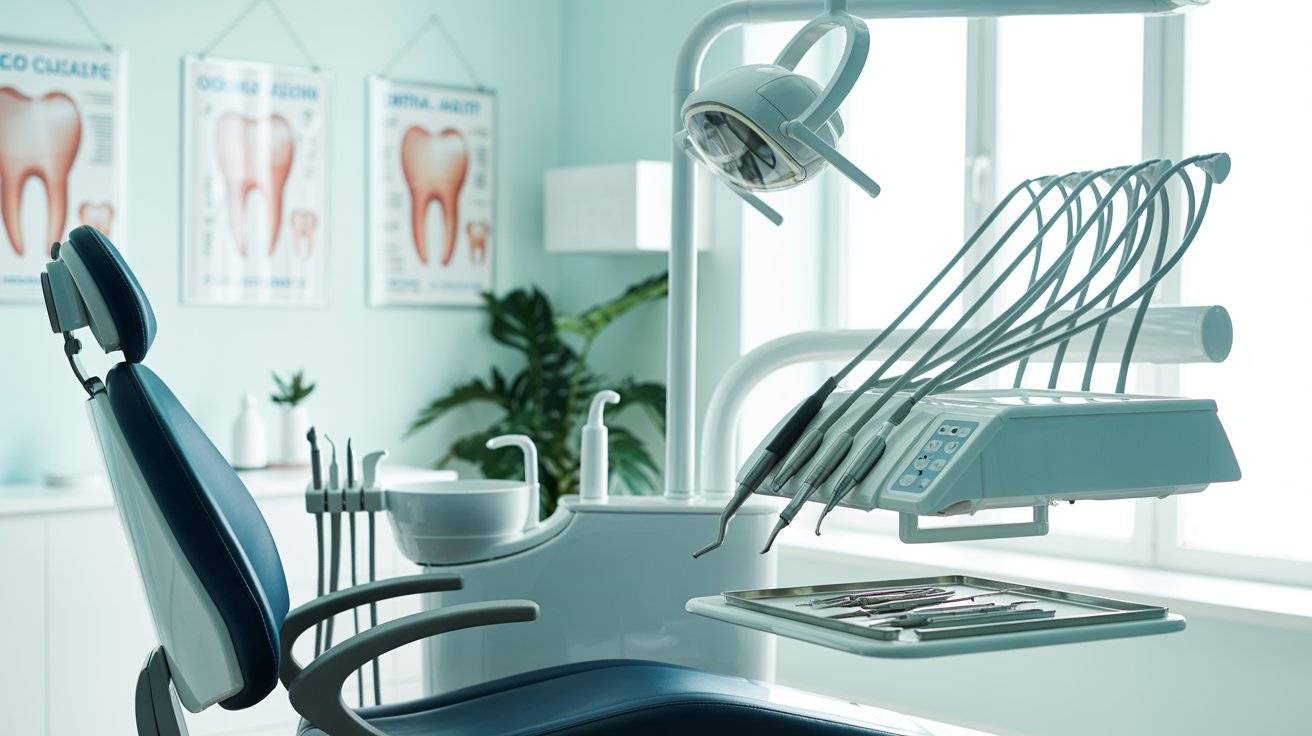
Regular dental checkups play a clear role in strong oral health. These visits help your dentist spot early signs of trouble and guide you to simple fixes before they grow into bigger issues. This article explains how routine care protects your teeth and gums, why early action matters, and how consistent attention keeps your smile stable and healthy.
Why Regular Dental Checkups Matter
Routine dental checkups give your dentist a clear and complete view of your mouth. Your dentist checks your teeth, gums, tongue, and jaw to spot any changes that may affect your health. When people visit trusted clinics like Shire Doctors and Dentists, they get careful assessments that help detect early decay, gum irritation, infection, or signs of grinding. This early detection supports fast care and reduces the chance of minor concerns turning into painful conditions.
Regular visits also strengthen your long-term oral health habits. Your dentist guides you on simple steps that keep your mouth clean and stable at home. These routine appointments ensure you stay aware of any new issues, maintain confident hygiene practices, and protect your overall oral wellbeing with steady, ongoing care.
How Dental Checkups Protect Your Oral Health
Early Detection of Tooth Decay
Your dentist can detect early decay before you feel pain. Early decay is small and easy to treat. Your dentist repairs small cavities with simple fillings. If decay continues without care, it can reach the inner layer of the tooth, cause strong pain, and require more complex treatment. Regular visits stop this progression.
Prevention of Gum Disease
Gum disease starts with redness and mild bleeding. Many people ignore these signs. A routine dental checkup helps your dentist identify early gum irritation. Prompt cleaning and guidance reduce swelling and help your gums heal. Regular care stops gum disease from advancing to a stage where it destroys bone or causes loose teeth.
Removal of Plaque and Tartar
Daily brushing helps, but plaque still builds under the gumline or in small spaces. Hardened plaque, known as tartar, requires professional cleaning. Your dentist removes this buildup during your checkup. Removing tartar protects your gums and lowers your risk of infections.
Support for Stronger Teeth
Your dentist may apply fluoride during your checkup. Fluoride strengthens tooth enamel. Strong enamel protects your teeth from cavities and sensitivity. Regular access to fluoride treatment keeps your teeth steady and durable.
Monitoring Alignment and Bite Issues
Changes in your bite can affect chewing, tooth wear, and jaw comfort. Your dentist checks your bite during your visit. Early attention helps stop uneven wear or discomfort. Small adjustments protect both your teeth and jaw function.
The Link Between Dental Checkups and Long-Term Oral Health
Reduction of Severe Dental Problems
Regular dental checkups reduce your chance of facing large dental problems. A routine visit allows your dentist to track small shifts in your teeth and gums. Timely action reduces the need for root canals, deep cleaning, or extractions. Consistent care saves money and reduces long-term discomfort.
Support for Better Daily Habits
Your dentist gives clear advice based on your current oral health. This guidance helps you brush and floss more effectively. Your dentist may also adjust your routine based on your gums, enamel strength, or lifestyle. This direct support strengthens your oral health at home.
Lower Risk of Infections
Infections often start small. Regular dental checkups allow your dentist to notice early signs before they spread. Quick treatment reduces pain and prevents complications. Strong control over infection risk keeps your mouth stable and healthy.
What Happens During a Standard Dental Checkup
Examination of Teeth and Gums
Your dentist checks each tooth for cracks, decay, or wear. Your gums are inspected for swelling or bleeding. These simple checks reveal early signs of trouble.
Professional Cleaning
A professional cleaning removes plaque and tartar. Your dentist or hygienist uses tools that reach areas your toothbrush cannot. This cleaning protects both your teeth and gums.
Assessment of Oral Hygiene Routine
Your dentist reviews your brushing and flossing habits. Your dentist may show you better methods for reaching difficult areas. This support leads to better results at home.
X-rays When Needed
Your dentist may take X-rays to view spaces under the gums or between teeth. X-rays reveal decay, bone loss, or other issues that are not visible during the visual exam. This extra check increases the accuracy of your diagnosis.
How Regular Dental Checkups Prevent Bigger Problems
Prevention of Tooth Loss
Untreated decay and gum disease lead to tooth loss. Regular dental checkups keep these issues under control. Early care keeps your natural teeth strong and stable for many years.
Control of Painful Dental Emergencies
Many dental emergencies come from problems that grew slowly. Regular checkups catch these problems early. This reduces the chance of sudden severe pain or infections. Preventing emergencies saves you time, stress, and cost.
Protection of Overall Health
Your oral health connects with your overall health. Gum infection increases strain on your body. Treating oral infections early supports your general wellbeing. Regular dental checkups help maintain healthy gums and lower your risk of related health concerns.
Tips to Strengthen Oral Health Between Dental Checkups
Brush Twice Daily
Brush your teeth morning and night with fluoride toothpaste. Brush for two minutes to reach all surfaces. This daily habit keeps plaque low.
Floss Once Daily
Flossing removes food and plaque between teeth. These spaces collect buildup quickly. Daily flossing supports clean gums and strong teeth.
Limit Sugary Snacks
Sugar increases your risk of decay. Choose balanced snacks and drink plenty of water. This habit supports healthier teeth.
Use Mouthwash
Mouthwash helps reduce bacteria and freshens your breath. Choose a mouthwash that supports gum strength or enamel protection.
Replace Your Toothbrush Regularly
A worn toothbrush cleans poorly. Replace your toothbrush every three months or sooner if the bristles split.
How Often You Should Schedule Dental Checkups
Most people need a dental checkup every six months. Some people may need more frequent visits due to gum issues, enamel weakness, or higher decay risk. Your dentist will advise you based on your oral health. Regular visits keep your mouth stable and reduce surprises.
Conclusion
Regular dental checkups offer clear protection for your oral health. These visits help your dentist detect early problems, clean hard-to-reach areas, and guide you to better habits. Consistent care lowers your risk of decay, gum disease, infections, and sudden dental emergencies. Strong oral health starts with steady attention and routine dental support. Scheduling regular checkups helps you maintain a healthy smile and avoid bigger problems in the future.
 Life Spectrum