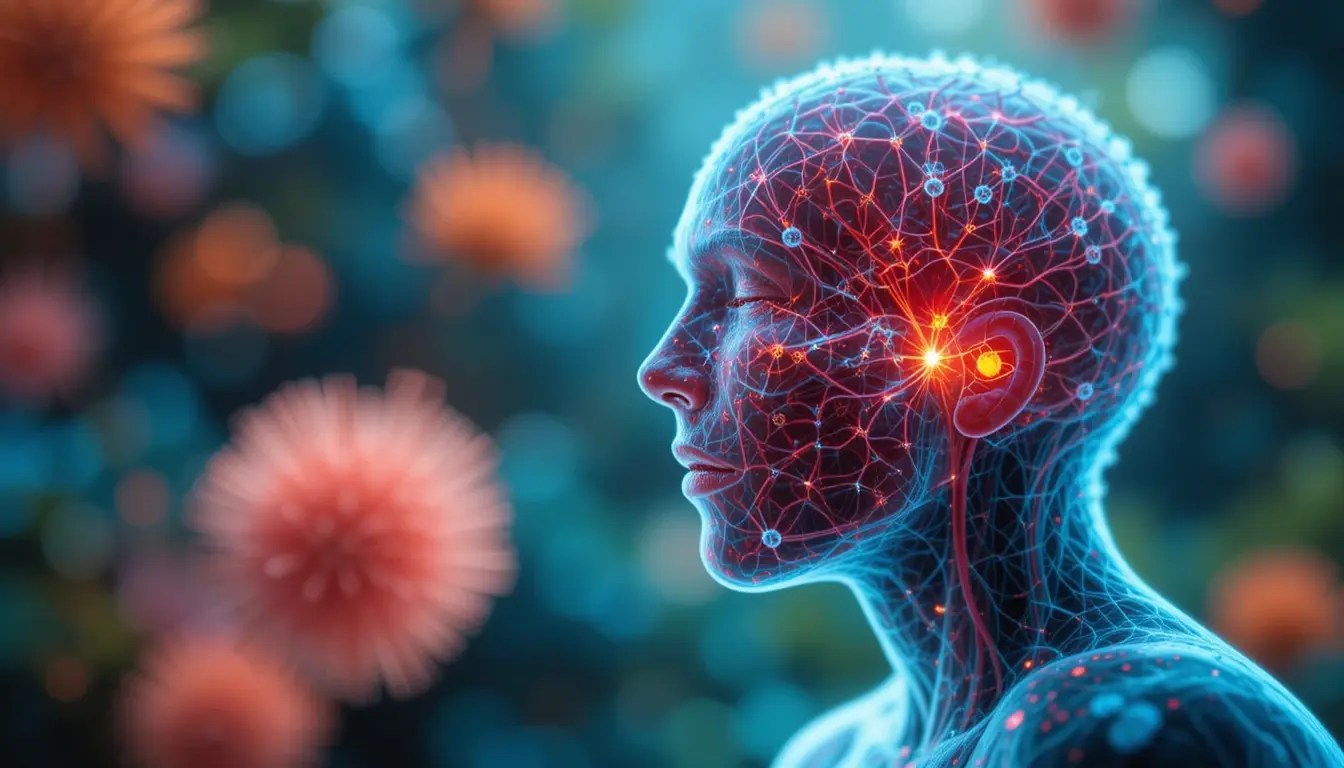
The lymphatic system is a vital part of the immune system. It helps the body fight infections, remove waste, and maintain fluid balance. When allergens enter the body, the lymphatic system plays a key role in responding to them.
Allergies occur when the immune system overreacts to harmless substances like pollen, dust, or pet dander. This reaction triggers inflammation and other symptoms. Understanding how the lymphatic system responds to allergens can help manage allergic reactions effectively.
The Role of the Lymphatic System
Components of the Lymphatic System
The lymphatic system includes lymph nodes, lymph vessels, the spleen, and the thymus. These structures work together to filter harmful substances and produce immune cells.
Lymph nodes act as checkpoints. They trap allergens and harmful particles before they spread through the body. White blood cells in the nodes help break down and remove these substances.
How the Lymphatic System Supports Immunity
The lymphatic system transports immune cells that detect and attack foreign invaders. These cells, known as lymphocytes, help the body recognize and respond to allergens.
Lymph fluid carries waste and toxins away from tissues. It helps maintain balance by preventing the buildup of harmful substances. This process is essential for overall health and immune function.
How Allergies Trigger the Lymphatic System
Immune Response to Allergens
When an allergen enters the body, the immune system identifies it as a threat. This activates white blood cells that release chemicals, including histamines.
Histamines cause inflammation, swelling, and mucus production. These reactions lead to common allergy symptoms like sneezing, congestion, and itching. The lymphatic system works to remove allergens and reduce inflammation.
Lymph Node Activation
Lymph nodes filter allergens from the bloodstream. They swell when they trap and process these substances. Swollen lymph nodes are a sign that the immune system is responding to an allergen.
Lymph nodes in the neck, underarms, and groin may become enlarged during an allergic reaction. This swelling is usually temporary and subsides once the body clears the allergen.
Common Allergic Reactions and the Lymphatic System
Seasonal Allergies
Pollen from trees, grass, and flowers triggers seasonal allergies. The lymphatic system filters these particles and prevents them from spreading.
Lymph nodes work harder during allergy season. Increased immune activity may cause mild swelling and fatigue. Drinking water and staying hydrated help support lymphatic function.
Food Allergies
Certain foods cause strong immune reactions. Common allergens include nuts, dairy, and shellfish. The body detects these substances and activates an immune response.
Severe food allergies cause swelling, difficulty breathing, and rashes. The lymphatic system responds by producing antibodies to fight the allergen. In extreme cases, anaphylaxis occurs, requiring emergency medical treatment.
Skin Allergies
Allergens like detergents, insect bites, and plants cause skin reactions. The lymphatic system directs immune cells to affected areas, leading to redness and swelling.
Rashes, itching, and irritation are signs of lymphatic involvement. The body removes allergens through lymph fluid, helping skin return to normal. Applying anti-inflammatory creams can relieve symptoms.
Ways to Support the Lymphatic System During Allergies
Staying Hydrated
Water helps the lymphatic system flush out allergens. It keeps lymph fluid moving and prevents buildup in tissues. Drinking enough water reduces inflammation and supports immune function.
Exercise and Movement
Physical activity improves lymphatic circulation. Walking, stretching, and deep breathing help lymph fluid flow properly. Movement reduces swelling and helps clear allergens from the body.
Eating a Healthy Diet
Nutrient-rich foods support the immune system. Fruits, vegetables, and lean proteins provide vitamins that help the lymphatic system function. Avoiding processed foods and excess sugar reduces inflammation.
Managing Stress
Stress weakens the immune system. Relaxation techniques like meditation, yoga, and deep breathing help maintain a balanced immune response. Reducing stress improves lymphatic flow and overall health.
When to See a Doctor
Severe Allergic Reactions
If symptoms include trouble breathing, swelling of the face or throat, or dizziness, seek medical attention immediately. These signs indicate a serious allergic reaction that requires emergency treatment.
Persistent Swollen Lymph Nodes
Lymph nodes usually return to normal after an allergic reaction. If swelling lasts longer than two weeks or is accompanied by pain or fever, consult a doctor. Persistent swelling may indicate an infection or another medical condition. To learn more about the swollen lymph node from this website.
Conclusion
The lymphatic system plays a key role in responding to allergies. It filters allergens, supports immune cells, and reduces inflammation. Understanding how it reacts to allergens helps people manage their symptoms effectively.
Supporting lymphatic health through hydration, movement, and a balanced diet improves the body’s ability to handle allergies. If severe reactions occur, seeking medical care ensures proper treatment. A healthy lymphatic system helps maintain overall well-being, especially for those with allergies.
 Life Spectrum