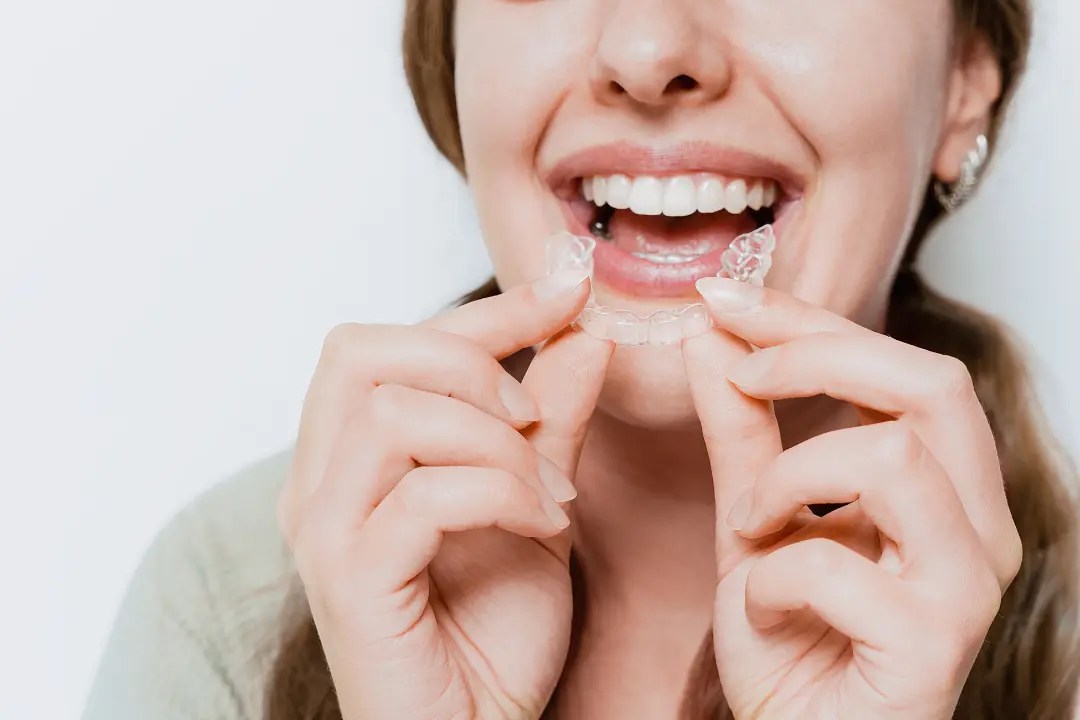
Teeth straightening, whether through braces or clear aligners, is a significant investment in achieving a healthy and beautiful smile. However, the journey doesn’t end when the braces come off or the aligner treatment concludes. To maintain the results, retainers play a crucial role in ensuring the teeth stay in their new, corrected positions.
In this article, we’ll delve into why retainers are essential after teeth straightening, how they work, the risks of not wearing them, and the different types of retainers available to suit varying needs.
1. What Happens After Teeth Straightening?
Teeth Have a Natural Tendency to Shift
After teeth straightening, the teeth are more susceptible to shifting back to their original positions, a process known as relapse. This is why choosing a trusted provider like teeth straightening by Blairstown Smile Studio is essential, as they not only focus on achieving optimal alignment but also emphasize post-treatment care. Relapse occurs because the supporting structures, such as gums and bone, take time to adapt to the new alignment. Without a retainer to hold them in place, teeth can gradually move back, undoing months or even years of orthodontic work.
The risk of relapse is highest in the first few months after treatment, especially if proper aftercare isn’t followed. Providers like Blairstown Smile Studio ensure patients are educated on maintaining their results for the long term. Even years later, natural forces like chewing, aging, and jaw growth can cause subtle shifts if retainers are not consistently worn.
Orthodontic Retention is a Long-Term Process
Maintaining a straight smile is not a one-time effort; it requires ongoing care. Orthodontists emphasize the importance of retention as a vital phase of treatment. Retainers provide the necessary support to preserve the alignment achieved during straightening, ensuring your smile remains functional and aesthetically pleasing.
2. How Do Retainers Work?
Stabilizing the Teeth
Retainers work by holding the teeth in their new positions while the surrounding bone and tissues adjust and stabilize. This stabilization process can take several months to a year, depending on the individual. Retainers act as a safeguard against the natural forces that might push teeth out of alignment.
In essence, retainers are like a safety net for your smile. By consistently wearing them, you allow the structural changes in your mouth to become permanent, ensuring your teeth remain straight and healthy.
Preventing Relapse
Retainers are particularly effective in combating relapse. Whether you’ve had gaps closed, teeth rotated, or overbites corrected, retainers ensure that these changes are maintained. Consistent use of retainers prevents the gradual shifting that can occur due to muscle memory or natural growth patterns.
3. The Risks of Not Wearing a Retainer
Relapse of Teeth Position
The most significant risk of neglecting your retainer is the potential for relapse. Without a retainer to hold them in place, teeth will naturally begin to drift back to their original positions. This can happen gradually over time and may lead to the need for additional orthodontic treatment to correct the changes.
Wasted Investment
Orthodontic treatments, whether traditional braces or modern aligners, require a considerable investment of time, effort, and money. By not wearing a retainer, you risk undoing all the progress you’ve made, turning that investment into a wasted effort. Wearing a retainer ensures that your straightened smile remains intact and that you get the full value of your treatment.
Increased Risk of Dental Issues
Misaligned teeth can lead to a host of dental problems, including difficulty cleaning between teeth, which increases the risk of cavities and gum disease. Wearing a retainer helps maintain proper alignment, promoting better oral hygiene and long-term dental health.
4. Types of Retainers and Their Benefits
Fixed Retainers
Fixed retainers are thin wires bonded to the back of the teeth, typically on the lower front teeth. These retainers are permanent and provide continuous support, making them an excellent option for individuals who may struggle with remembering to wear a removable retainer.
- Pros: Always in place, no risk of forgetting or losing them.
- Cons: Requires diligent cleaning to prevent plaque buildup.
Removable Retainers
Removable retainers come in two primary forms: Hawley retainers and clear plastic retainers.
- Hawley Retainers: Made of a combination of acrylic and metal wires, these retainers are durable and adjustable.
- Pros: Long-lasting, easy to clean, and adjustable.
- Cons: More noticeable than clear retainers.
- Clear Retainers: Made of transparent plastic, these retainers are virtually invisible and fit snugly over the teeth.
- Pros: Aesthetic appeal, easy to wear, and comfortable.
- Cons: May require replacement over time due to wear and tear.
Choosing the right type of retainer depends on individual preferences, orthodontist recommendations, and the specifics of your treatment.
5. How to Care for Your Retainer
Cleaning and Maintenance
Proper care for your retainer is essential to ensure its effectiveness and longevity. For removable retainers, clean them daily with a soft toothbrush and mild soap or a retainer cleaner. Avoid using hot water, as it can warp the material. Fixed retainers require meticulous oral hygiene, including brushing and flossing around the wire to prevent plaque buildup.
Consistent Usage
Follow your orthodontist’s instructions on how often to wear your retainer. Initially, you may need to wear it full-time, gradually transitioning to nighttime use. Consistency is key to maintaining your results.
Conclusion
Retainers are an essential part of the teeth-straightening process, ensuring that your hard-earned results are preserved for years to come. By stabilizing teeth, preventing relapse, and maintaining proper alignment, retainers protect your investment and promote long-term oral health. Whether you opt for a fixed or removable retainer, wearing it as instructed by your orthodontist is crucial for maintaining your straight, beautiful smile.
Don’t let your efforts go to waste embrace the importance of retainers and enjoy the benefits of a perfectly aligned smile for life.
 Life Spectrum