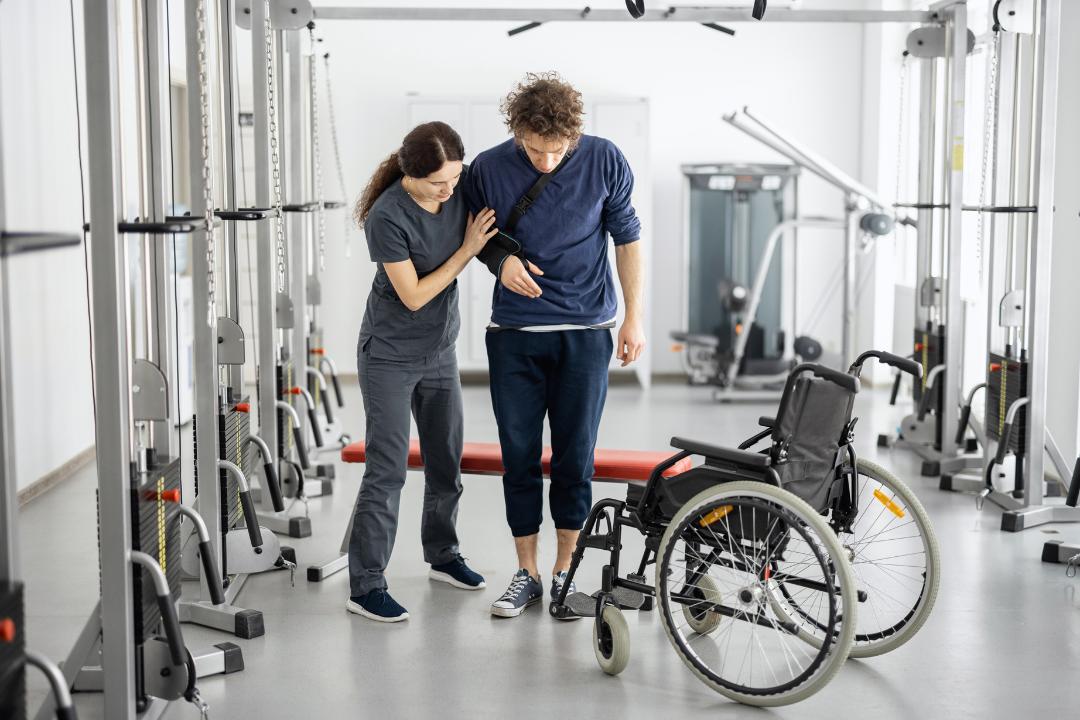
Sports injuries are an inevitable part of athletic activities, affecting professionals and casual players alike. Whether it’s a twisted ankle, torn ligament, or strained muscle, the road to recovery can be long and challenging without the right approach. This is where physical rehabilitation therapy steps in.
Physical rehab therapy isn’t just about healing injuries—it’s about helping athletes regain their strength, prevent future injuries, and return to their sport stronger than ever. This article explores how physical rehab therapy helps with sports injuries, the techniques involved, and the essential role it plays in the recovery process.
Understanding Physical Rehab Therapy for Sports Injuries
Physical rehab therapy focuses on restoring the body’s natural movement, strength, and function after an injury. A trusted physiotherapy rehabilitation centre plays a crucial role in providing personalized care that accelerates recovery and improves overall well-being. For athletes, such centers are a lifeline that not only heal damaged tissues but also enhance performance through expert guidance and cutting-edge techniques.
The process involves a combination of manual therapy, exercises, and advanced treatments tailored to the individual’s specific needs. By addressing pain, swelling, and restricted movement, a physiotherapy rehabilitation centre enables a gradual and safe return to physical activities. It’s not just reactive—it’s proactive, building resilience and reducing the risk of future injuries.
How Physical Rehab Therapy Addresses Sports Injuries
1. Reducing Pain and Inflammation
Pain and swelling are the body’s natural responses to injury, but they can hinder recovery if not managed effectively. Physical rehab therapy provides targeted treatments to alleviate these symptoms.
Techniques to Manage Pain and Inflammation:
- Ice and Heat Therapy: Ice reduces swelling and numbs pain, while heat improves blood flow to aid healing.
- Manual Therapy: Techniques like massage or joint mobilization relieve tension and improve circulation.
- Electrical Stimulation: Devices like TENS units block pain signals and promote muscle recovery.
These therapies not only make patients more comfortable but also set the stage for active rehabilitation, where strength and mobility can be rebuilt.
2. Restoring Mobility and Flexibility
After a sports injury, stiffness and limited movement are common challenges. Physical rehab therapy focuses on restoring joint and muscle flexibility, ensuring that athletes can move freely and perform their best.
Exercises for Restoring Mobility:
- Range of Motion Exercises: These target stiff joints, improving their ability to move without pain.
- Stretching Routines: Dynamic and static stretches lengthen tight muscles, increasing flexibility.
- Functional Movement Drills: These mimic sports-specific actions, ensuring athletes regain full mobility.
Therapists often incorporate tailored programs to gradually push the patient’s limits without causing further strain, promoting a safe and steady recovery.
Key Benefits of Physical Rehab Therapy for Athletes
Benefit 1: Strengthening Muscles and Joints
Sports injuries often lead to muscle weakness, either from the injury itself or the immobilization that follows. Rehab therapy rebuilds this lost strength, focusing on both the injured area and supporting muscles.
Through strength training exercises like resistance bands, weightlifting, or bodyweight movements, athletes regain power and stability. Strengthening the surrounding muscles also reduces stress on the injured area, preventing future problems.
Benefit 2: Preventing Re-Injury
One of the most important aspects of physical rehab therapy is preventing re-injury. This involves correcting imbalances, improving technique, and addressing any underlying issues that contributed to the initial injury.
Therapists assess the athlete’s posture, gait, and movement patterns to identify risks. For example, if a soccer player repeatedly sprains their ankle, the therapist might focus on improving ankle stability and teaching better landing mechanics.
Specialized Techniques in Physical Rehab Therapy
Manual Therapy
Manual therapy includes hands-on techniques like massage, joint mobilization, and manipulation. These methods improve circulation, relieve tension, and increase mobility, making them particularly effective for soft tissue injuries.
Functional Training
Functional training prepares athletes to return to their sport by mimicking the physical demands of their activity. Exercises might include jumping drills, agility ladders, or balance work, depending on the sport.
Neuromuscular Re-Education
This technique retrains the brain and body to work together after an injury. It’s especially helpful for athletes recovering from ligament tears or joint injuries, as it improves coordination and control.
Challenges in Recovery with Physical Rehab Therapy
Recovering from a sports injury is not always a smooth journey. Athletes may face several challenges, including:
Patience and Consistency
Recovery takes time, and athletes may feel frustrated by slow progress. Consistency with therapy sessions and home exercises is crucial for success.
Mental Resilience
Injuries can take a toll on mental health, especially for competitive athletes. Physical rehab therapy often incorporates strategies to rebuild confidence and manage fear of re-injury.
Tips for Athletes to Maximize Recovery
- Follow Your Plan: Stick to the therapist’s recommendations, even if progress feels slow.
- Communicate Openly: Share any pain or concerns with your therapist to adjust the program as needed.
- Stay Committed: Attend all sessions and complete prescribed exercises at home.
- Celebrate Milestones: Acknowledge small achievements to stay motivated throughout the recovery process.
Conclusion
Physical rehab therapy is a game-changer for athletes recovering from sports injuries. From managing pain to restoring mobility and preventing future injuries, it addresses every aspect of recovery. By working closely with skilled therapists, athletes can overcome setbacks and return to their sport stronger than ever. Whether you’re dealing with a minor sprain or a major ligament tear, physical rehab therapy offers the guidance and tools needed for a full recovery.
 Life Spectrum