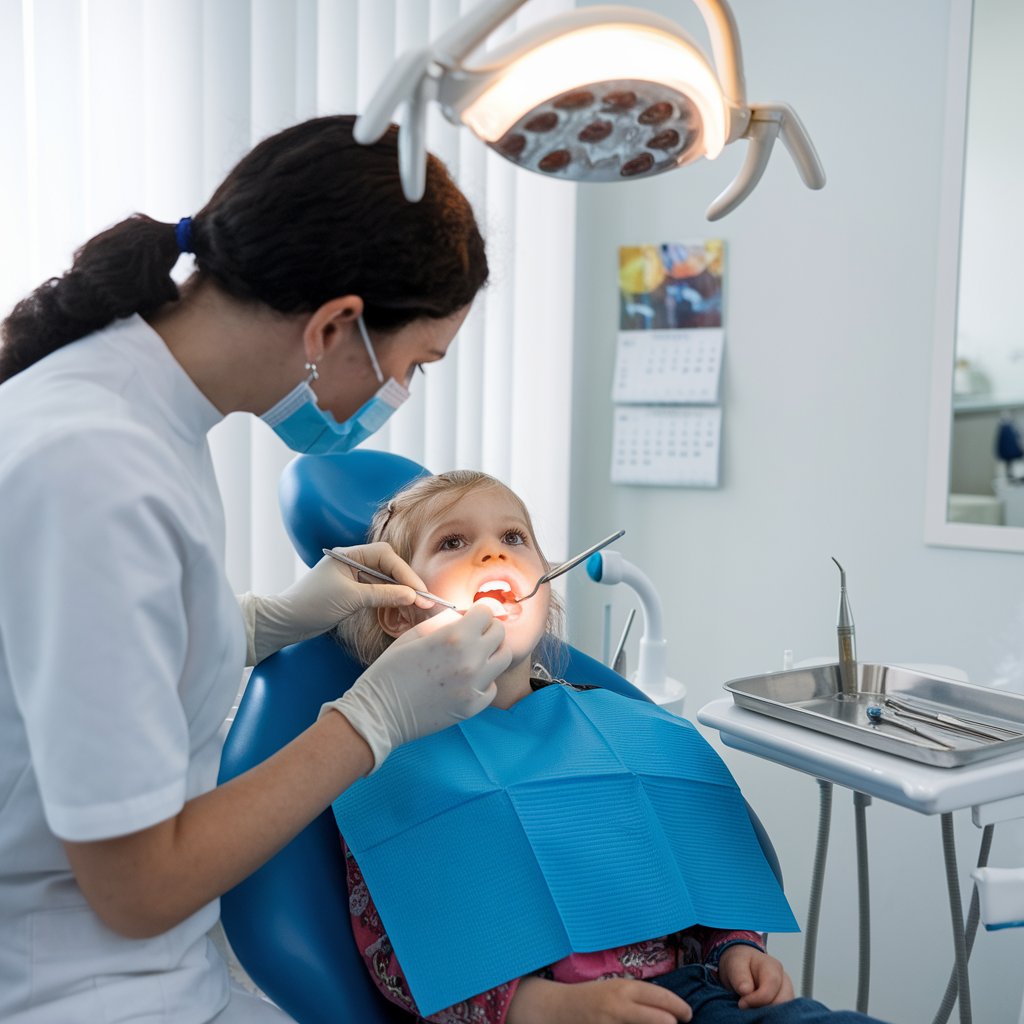
Cavities are a common dental issue among children, often resulting from improper oral hygiene and high sugar consumption. Fortunately, pediatric dentistry plays a critical role in cavity prevention by focusing on educating children and their parents on oral care, conducting regular dental exams, and applying advanced preventative measures. Through a combination of early intervention, routine care, and guidance on healthy habits, pediatric dentistry helps ensure that children develop strong, cavity-free teeth, laying the foundation for a lifetime of oral health.
What is Pediatric Dentistry?
Pediatric dentistry is a specialized field of dentistry focused on the oral health of infants, children, and adolescents, including those with special healthcare needs. Pediatric dentists receive additional training beyond general dental school to understand the unique needs of children’s developing teeth, gums, and jaws. They are skilled in providing both preventive and therapeutic care to ensure the proper growth of a child’s teeth and to prevent cavities and other dental issues.
The Importance of Preventative Care in Pediatric Dentistry
Preventative care is one of the pillars of pediatric dentistry. Pediatric dentists not only treat existing dental problems but also emphasize the importance of regular dental check-ups, cleanings, and fluoride treatments to prevent cavities from forming. Early detection of dental issues can prevent more serious conditions from developing. Additionally, pediatric dentists educate parents and children on proper brushing and flossing techniques and the importance of maintaining a balanced diet, which directly impacts oral health.
The Role of Regular Dental Visits
Routine dental visits are critical in preventing cavities in children. These visits, typically every six months, allow the pediatric dentist to monitor the development of a child’s teeth, provide professional cleanings, and detect early signs of decay. Regular cleanings help remove plaque and tartar buildup, which can lead to cavities. The dentist may also recommend sealants or fluoride treatments to strengthen the teeth and provide additional protection against decay.
Pediatric Dentist in Blairstown
If you’re looking for comprehensive pediatric dental care to prevent cavities, consider visiting a website for pediatric dentist in Blairstown. The dental practice offers specialized services for children, including routine check-ups, cleanings, fluoride treatments, and sealants, all designed to protect young smiles from cavities. Pediatric dentists in Blairstown focus on creating a welcoming environment where children feel comfortable while receiving the best preventive care to ensure lifelong oral health.
Sealants as a Protective Measure
One of the most effective tools pediatric dentists use to prevent cavities is the application of dental sealants. Sealants are thin, plastic coatings applied to the chewing surfaces of the molars, where cavities are most likely to form. These grooves and pits in molars can be difficult to clean thoroughly, even with proper brushing. Sealants act as a barrier, preventing food and bacteria from getting trapped and causing decay.
Fluoride Treatments
Fluoride is a naturally occurring mineral that strengthens tooth enamel, making it more resistant to decay. Pediatric dentists often apply topical fluoride treatments during regular dental visits. These treatments can help reverse the early stages of tooth decay and prevent new cavities from forming. Many communities also add fluoride to their water supply to further protect against cavities.
Proper Brushing and Flossing Techniques
Teaching children the correct way to brush and floss is a critical component of pediatric dentistry. Pediatric dentists not only demonstrate these techniques but also ensure that children are using age-appropriate tools, such as soft-bristled toothbrushes and fluoride toothpaste. Flossing is especially important as it helps remove plaque from between the teeth, where toothbrushes may not reach. Reinforcing good habits early on can help children maintain a healthy routine into adulthood.
Nutritional Guidance for Oral Health
Diet plays a crucial role in the prevention of cavities. Pediatric dentists educate both children and parents on the importance of limiting sugary snacks and beverages, which can lead to tooth decay. Instead, they recommend a diet rich in fruits, vegetables, and dairy products that promote healthy teeth and gums. Proper hydration, especially with water containing fluoride, is also encouraged to help rinse away food particles and bacteria.
Cavity Risk Assessment
During dental visits, pediatric dentists often perform a cavity risk assessment. This assessment involves evaluating a child’s oral hygiene habits, diet, fluoride exposure, and genetic factors that may increase their risk of cavities. Based on this assessment, the dentist can provide personalized advice on preventive measures and recommend the frequency of dental visits and treatments like sealants or fluoride.
Early Intervention and Minimally Invasive Treatments
Early detection of dental issues is another key component of pediatric dentistry. By catching cavities or signs of decay early, pediatric dentists can treat them using minimally invasive techniques. For instance, if a cavity is caught at its earliest stage, it may be possible to reverse the damage with fluoride treatments, avoiding the need for fillings or other more invasive procedures.
Managing Dental Anxiety in Children
One of the challenges pediatric dentists face is managing dental anxiety in children. Fear of the dentist can prevent children from receiving the care they need to prevent cavities. Pediatric dentists are trained to create a calming and child-friendly environment. Through positive reinforcement, distraction techniques, and sometimes sedation, they help reduce anxiety, ensuring that children receive regular care without fear.
Oral Health Education for Parents and Caregivers
Parents play a significant role in their child’s oral health, and pediatric dentists prioritize educating them on how to care for their child’s teeth at home. This includes advice on choosing the right toothbrush and toothpaste, supervising brushing for younger children, and establishing a routine. Parents are also informed about the impact of pacifier use, thumb sucking, and bottle feeding on oral health, helping them make informed decisions to prevent cavities.
Transitioning from Primary to Permanent Teeth
As children grow, they transition from primary (baby) teeth to permanent teeth, and pediatric dentists help guide this process. Regular dental visits during this phase ensure that any issues, such as overcrowding or misaligned teeth, are detected early. Pediatric dentists may also recommend orthodontic evaluations to ensure that the permanent teeth develop properly, preventing complications that could lead to cavities.
The Importance of Baby Teeth
Many parents may not realize that baby teeth are just as important as permanent teeth. Baby teeth hold space for the permanent teeth and help guide them into their correct position. If a baby tooth is lost too early due to decay, it can cause the surrounding teeth to shift, leading to misalignment and increased risk of cavities in the future. Pediatric dentists emphasize the importance of caring for baby teeth to ensure long-term oral health.
The Role of X-Rays in Cavity Detection
Dental X-rays are an important diagnostic tool in pediatric dentistry. They allow the dentist to see cavities that may not be visible to the naked eye, particularly between the teeth or below the gum line. Pediatric dentists use X-rays judiciously, ensuring that children are exposed to the lowest possible radiation while still gaining valuable information to prevent and treat cavities.
Pediatric Dentistry and Special Needs Children
Children with special healthcare needs may require more specialized dental care. Pediatric dentists are trained to provide customized care for children with physical, developmental, or behavioral conditions that may make dental visits more challenging. Preventing cavities in special needs children often involves a collaborative approach between the dentist, parents, and other healthcare providers to create a tailored oral care plan.
How Parents Can Support Their Child’s Oral Health at Home
Parents play a vital role in preventing cavities by encouraging good oral hygiene habits at home. Establishing a routine of brushing twice a day with fluoride toothpaste, flossing, and scheduling regular dental visits can help ensure that children develop healthy teeth. Additionally, parents can limit sugary snacks and beverages, encourage a balanced diet, and make sure their children drink plenty of water.
FAQs on How Pediatric Dentistry Prevents Cavities in Kids
Q1: What age should my child start visiting the dentist?
Children should start seeing a pediatric dentist by their first birthday or within six months of their first tooth eruption.
Q2: How often should my child visit the dentist?
It’s recommended that children visit the dentist every six months for routine check-ups and cleanings.
Q3: What are dental sealants, and are they safe for children?
Dental sealants are safe, thin coatings applied to the chewing surfaces of molars to prevent cavities.
Q4: How does fluoride help in preventing cavities?
Fluoride strengthens tooth enamel, making it more resistant to decay and helping to reverse early signs of cavities.
Q5: Can cavities in baby teeth affect permanent teeth?
Yes, untreated cavities in baby teeth can lead to infections and misalignment, which can impact permanent teeth.
Q6: What can I do to help my child prevent cavities?
Ensure they brush twice a day, floss regularly, limit sugary foods, and schedule regular dental visits.
Q7: Are X-rays necessary for children?
Yes, dental X-rays help detect cavities and other issues that may not be visible during a regular exam.
Q8: How can I make my child feel comfortable at the dentist?
Pediatric dentists use child-friendly techniques and environments to help reduce anxiety and create a positive experience.
Q9: When should my child start flossing?
Children should start flossing as soon as they have two teeth that touch.
Q10: What is the best diet to prevent cavities in children?
A balanced diet low in sugary snacks and high in fruits, vegetables, and dairy helps prevent cavities.
 Life Spectrum